
How are commercial windows fitted when access to the opening is restricted?
Commercial windows can be fitted in restricted-access openings by planning the installation around the building layout and selecting a suitable safe-access method, such as internal installation or specialist lifting equipment where appropriate. GlassPlus UK assesses the opening, glazing weight and surrounding risks before agreeing a practical installation approach.
Commercial windows can be fitted where access to the opening is restricted by adapting the installation method to the building, the size and weight of the glazing, and the available route. GlassPlus UK plans the work around the site conditions, using internal access, controlled lifting equipment or other specialist methods where appropriate, rather than relying on a standard installation sequence.
The process begins with a detailed assessment of the opening and its surroundings. This considers the condition and dimensions of the frame, the position of floors, ceilings and partitions, the route through the building, and any obstructions outside the property. The glazing specification is also important, as larger or heavier units require different handling arrangements from smaller panes. The assessment helps establish how the glass can be brought to the opening, positioned safely and secured without placing unnecessary strain on the frame or surrounding finishes.
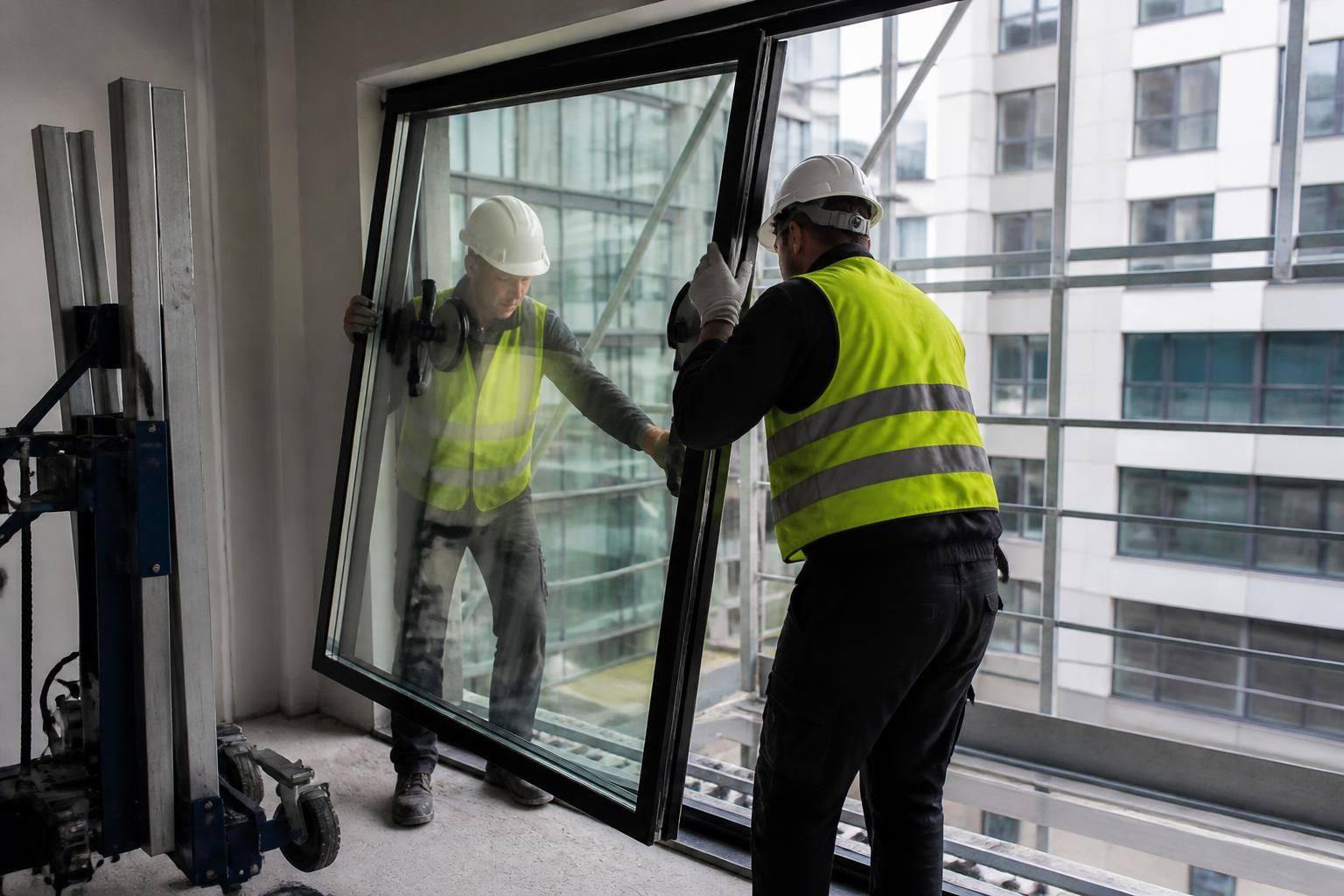
Where the opening can be reached from inside, the installation may be organised as an internal operation. Glass can be brought through suitable internal routes and moved into position using appropriate handling equipment. Floor surfaces, walls, fixtures and occupied areas require protection during this work. The installation team also needs enough working room to manoeuvre the unit, remove the existing glazing where necessary and fit the replacement without damaging adjacent components.
If internal access is not practical, the project may require a planned external lifting arrangement. Depending on the site, this can involve specialist lifting equipment or other controlled access equipment selected for the building and the glazing involved. The lifting method must account for the position of the opening, the available set-up area, overhead hazards, ground conditions and the movement of people or vehicles nearby. A restricted site may therefore need coordination with the building manager before installation begins.
Access limitations can also affect the order of the work. Glass may need to be delivered in a specific sequence, with the route cleared before the unit arrives at the opening. Existing beads, seals or damaged panes can be removed in a controlled manner, followed by preparation of the frame and installation of the new glass. Keeping the operation organised reduces unnecessary handling and helps prevent the opening from remaining exposed for longer than necessary.
For occupied commercial premises, the installation plan should take account of staff, visitors, tenants and other contractors. Suitable barriers, exclusion zones and protective measures can separate the work area from normal activity. The appointed method also needs to reflect any building management requirements, delivery restrictions or site-specific risk controls. GlassPlus UK can use the information gathered during its assessment to explain the proposed approach and identify any practical arrangements required from the client.
Once the unit is in position, it is supported and secured in accordance with the frame and glazing requirements. The installer checks that the glass is correctly seated, that the edges are protected and that seals, beads and other retaining components are properly fitted. The surrounding frame and finishes are examined for signs of movement or damage caused during the work. Any required adjustments can then be addressed before the installation is treated as complete.
Restricted access does not remove the need for a properly controlled installation. It makes early planning more important. GlassPlus UK considers handling, protection, site coordination and compliance with current building and safety regulations as part of the installation approach, helping commercial clients select a method that is practical for the property as well as suitable for the window.
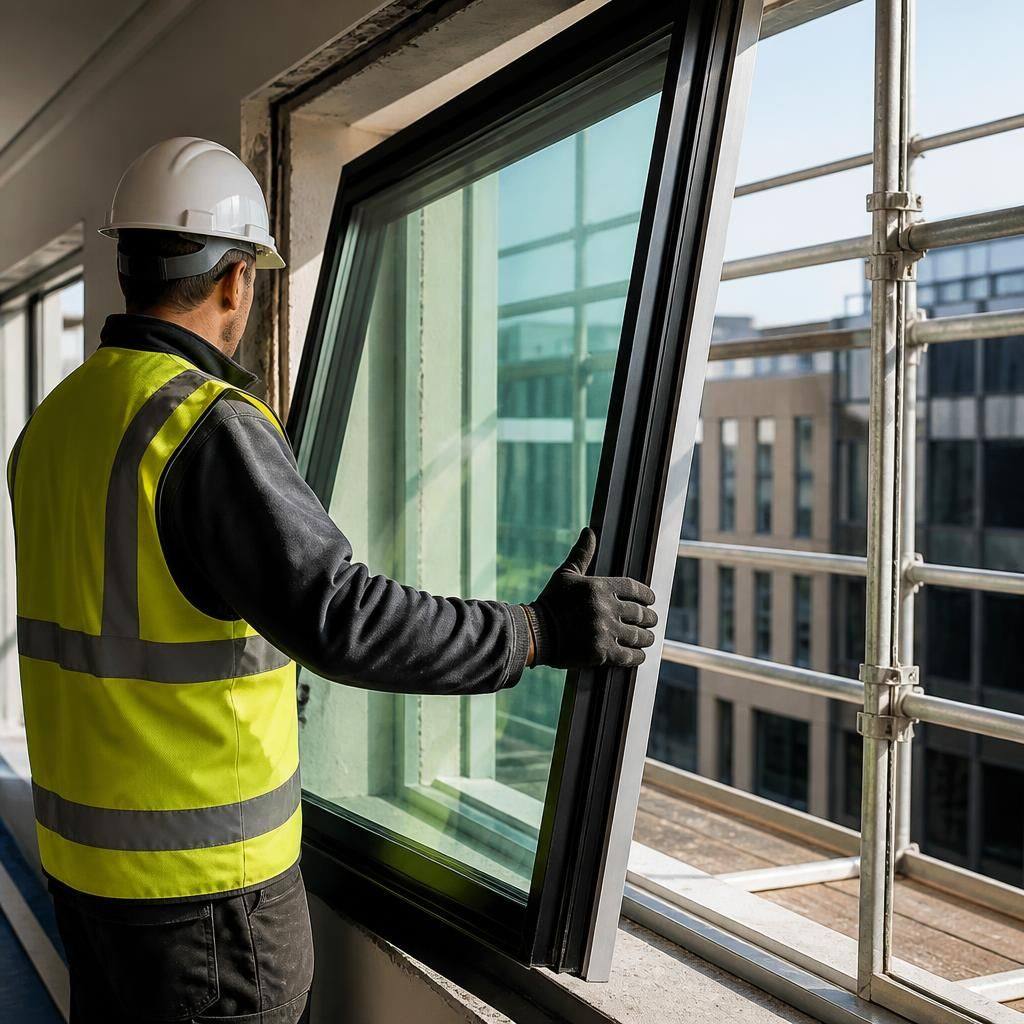
Restricted access should be considered before the installation is priced, as the available route can affect the handling method, labour requirements and site arrangements. GlassPlus UK can review information such as the opening location, floor level, glazing dimensions, delivery route and any access restrictions when discussing the work.
For businesses comparing installation proposals, it is worth checking that the quotation reflects the actual site conditions rather than assuming a standard fit. Providing current photographs, drawings or access notes can help identify potential complications early and support a more accurate installation plan.