
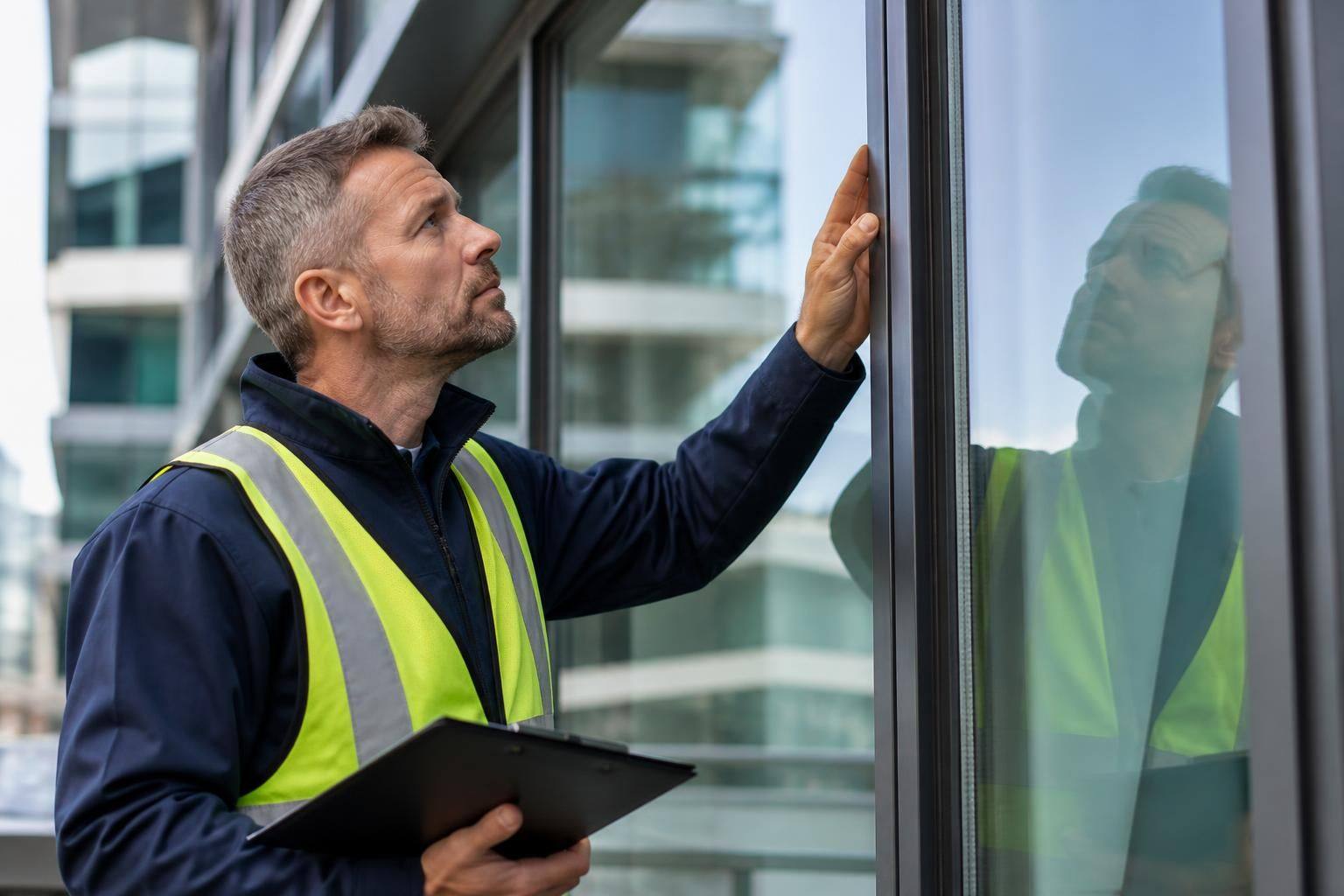
When is replacement preferable to repair for a commercial window?
Replacement is generally preferable when damage is extensive, the frame or surrounding system is compromised, or the existing window no longer meets the property’s performance and safety requirements. GlassPlus UK can assess the condition of the commercial window and recommend whether targeted repair or full replacement is the more appropriate solution.
Replacement is preferable when a new window or glazed unit will provide a more dependable, compliant and practical result than continuing with isolated repairs. The correct choice depends on the type of failure, the condition of the surrounding installation and the performance required from the commercial property.
A replacement glazed unit may be the most suitable option where the glass has failed internally rather than simply suffering a minor surface defect. Persistent misting or condensation between panes can indicate that the sealed unit is no longer performing as intended. Replacing the unit can restore the appearance of the window and its insulating function without necessarily removing the complete frame.
Full window replacement becomes more appropriate when the frame, seals, hardware or drainage arrangements are also deteriorating. A new pane fitted into a defective frame may only provide a short-term improvement, particularly if water ingress, movement or poor operation originates elsewhere in the assembly. In such cases, replacing the complete window allows the surrounding components to be assessed and renewed as one coordinated installation.
Replacement should also be considered where repairs are becoming repetitive. A pattern of recurring faults, difficult operation, failed seals or damaged fittings can indicate that the existing system has reached the end of its practical service life. Repeated remedial work may address individual symptoms without resolving the underlying condition, making a planned replacement the more sensible long-term approach for a commercial premises.
Changing requirements within the building can also make replacement preferable. A window may no longer provide the level of thermal control, acoustic reduction, daylight management, security or weather resistance expected for the current use of the property. This can be particularly relevant when a commercial space is being refurbished, its occupancy changes or its internal environment needs to be improved. Replacement provides an opportunity to specify glazing and window components that are better suited to those requirements.
Appearance is another practical consideration. Scratched, discoloured or visibly mismatched glazing can affect the presentation of a shop, office or other commercial building. Where individual replacements would leave inconsistent glass types or noticeable differences across an elevation, a coordinated replacement scheme may produce a more uniform result.
Safety and regulatory requirements must remain central to the decision. The proposed solution should be suitable for the opening, its location and the way the building is used. Glass selection, safety characteristics, ventilation, fire-related requirements and interfaces with adjacent construction all need to be considered where relevant. Work should comply with current building and safety regulations rather than treating replacement as a purely cosmetic improvement.
Repair can still be appropriate where the surrounding window remains sound and the fault is localised. For example, replacing a damaged component or isolated pane may be proportionate when the frame, seals and fixing arrangements are in good condition. The distinction is therefore not based on the glass alone. It requires an assessment of whether the existing installation can continue to support reliable performance after the proposed repair.
GlassPlus UK assesses the glazing, frame, seals, fittings and surrounding interfaces before recommending a course of action. The assessment should establish whether a replacement glazed unit, a complete window or a more limited repair is technically appropriate. It should also take account of access, the effect on the occupied premises and the need to maintain a consistent finish across the building.
For a business ready to proceed, the next step is to provide details of the affected window and arrange a professional assessment. This gives the property owner, facilities manager or contractor a clear basis for choosing between repair and replacement, with the proposed work matched to the building’s condition and operational requirements.

Replacement may be preferable where suitable parts for the existing window system are no longer available or cannot be matched reliably. A repair based on unsuitable or incompatible components may leave the installation difficult to maintain and could affect its continuing performance. Replacing the relevant window assembly allows the specification, fittings and interfaces to be considered together rather than relying on an increasingly unsupported system.
This is particularly important when the window forms part of a larger commercial elevation with standardised components. A planned replacement can provide a clearer maintenance approach for the property owner or facilities manager, while ensuring that the selected installation is appropriate for the opening and the building’s current requirements.