How is a commercial glass installation inspected after fitting?
A commercial glass installation is inspected after fitting through visual checks, operational testing and review of seals, fixings, alignment and finish. GlassPlus UK confirms that the completed work is safe, secure and compliant with applicable building and safety requirements before it is signed off.
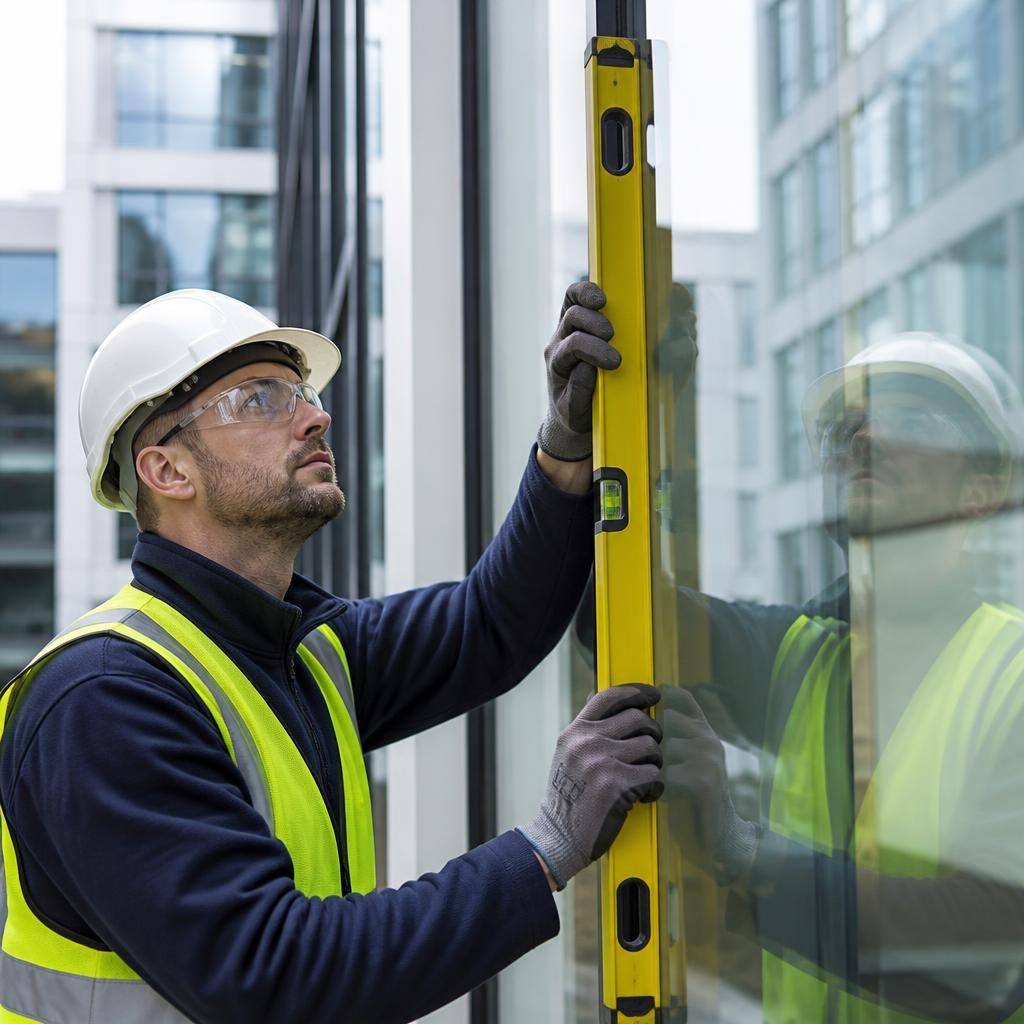
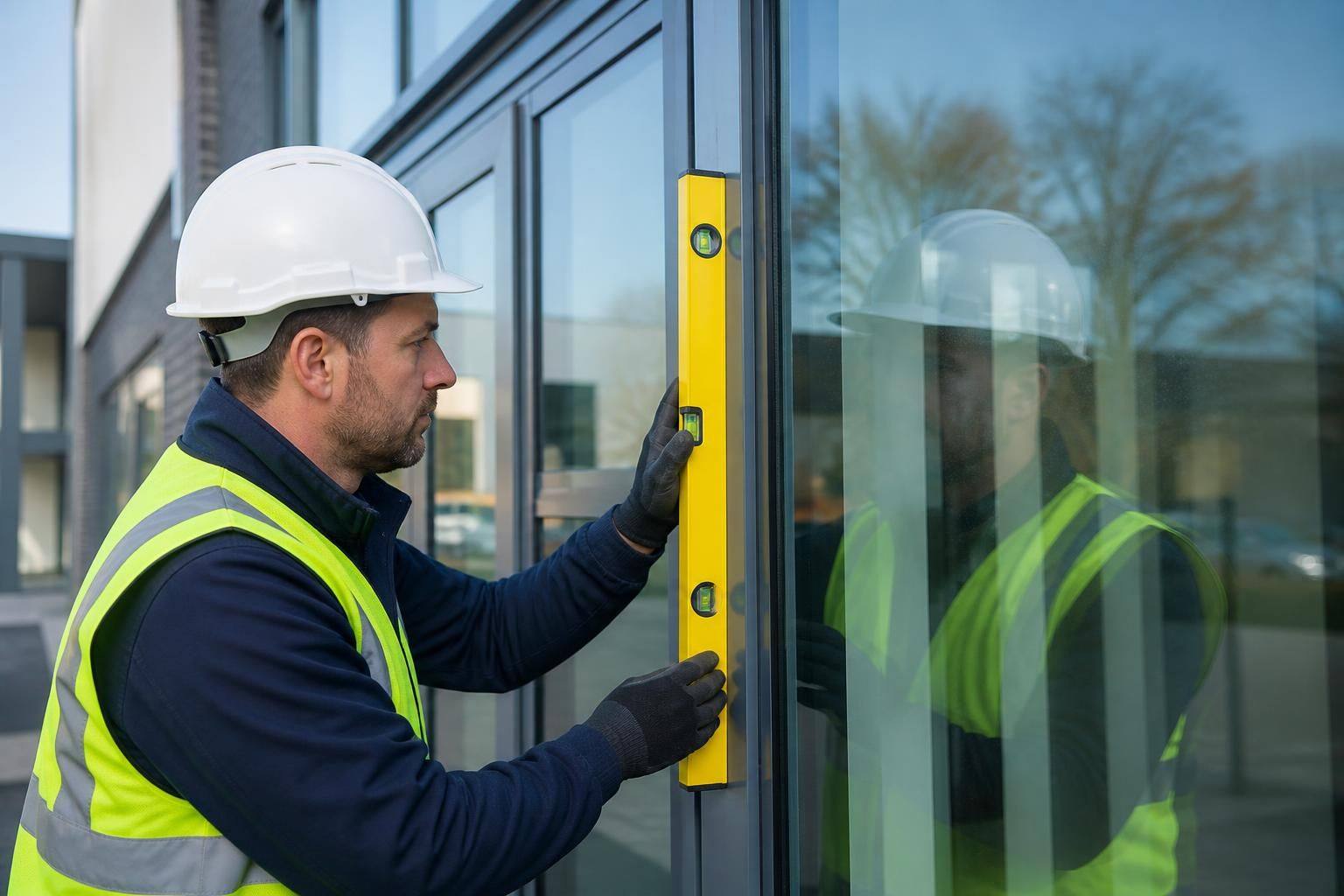
After fitting, a commercial glass installation is inspected in stages: the completed work is compared with the agreed specification, the glass and surrounding components are examined closely, moving parts and access points are tested, and any outstanding items are recorded for correction before handover.
Inspection begins with the agreed requirements. The installer checks that the installed units correspond with the approved drawings, dimensions, opening positions and specified glass types. This is particularly important where different areas of a property use safety glass, fire-resistant glazing, acoustic glass or insulated units. Any visible markings, labels or identification on the glass can also be checked against the project records where applicable.
The glass itself is assessed under suitable viewing conditions. The inspection looks for damage to faces and edges, chips, cracks, scratches, pressure marks and other installation-related defects. The reviewer also considers whether the glass is seated correctly within its frame and whether glazing beads, gaskets, cover caps and other retaining components are properly fitted. Glass should not be accepted solely because it appears clean from a distance; close inspection is needed to identify issues that could affect appearance, serviceability or future performance.
Frames and interfaces are checked as part of the installation. This includes the connection between the new glazing and the surrounding structure, such as masonry, curtain walling, shop-front framing or internal partitions. The inspection considers whether trims and closures are complete, whether drainage routes remain clear and whether adjoining finishes have been left in an acceptable condition. Particular attention is useful at corners, junctions and transitions, where incomplete finishing or movement between materials may become more apparent over time.
Where the installation includes doors, vents or opening lights, these are operated through their normal range. The checks may include handles, locks, hinges, closers, restrictors and threshold areas. The purpose is to confirm that the elements work without binding, excessive force or interference with adjacent surfaces. For fixed glazing, the review instead focuses on its seating, retention and relationship with the surrounding installation.
Safety-related details are reviewed before completion. This may include the position and visibility of manifestations on large areas of transparent glass, protection at vulnerable locations, safe access around the finished installation and the condition of any temporary protective measures. The inspection should also identify whether other trades have subsequently affected the glazing, for example through drilling, decorating, fitting signage or placing equipment against it.
Findings are normally separated into items that require correction and matters that can be addressed as part of final cleaning or routine handover. If a defect is identified, GlassPlus UK can assess whether it relates to the glass, the framing, installation workmanship or an adjoining building element. The appropriate remedy may involve adjustment, replacement of a component, renewed finishing work or further technical review; the correct approach depends on the nature and location of the issue.
A useful handover record should include:
- the area or elevation inspected;
- the elements included within the review;
- any defects, incomplete works or access restrictions noted;
- photographs or other supporting records where appropriate;
- actions required, together with responsibility for completing them; and
- confirmation of any follow-up inspection needed after remedial work.
This record gives the business a clear reference point if more than one contractor has worked on the project. It also helps facilities teams distinguish installation defects from damage caused after occupation and provides useful information for future maintenance.
For a commercial client comparing glazing contractors, the quality of the inspection process is as important as the fitting itself. GlassPlus UK brings more than 30 years of industry experience to commercial glazing work and treats the post-installation review as part of the workmanship process, not as an informal visual sign-off. A structured inspection helps the business receive a finished installation that is properly documented, suitable for its intended use and ready to be handed back to the building’s occupants.
Inspection should be measured against the agreed acceptance criteria rather than personal preference. This gives the business a clear basis for deciding whether the installation is ready for use and avoids minor cosmetic differences being confused with safety or functional concerns.
Where the project requires specialist performance checks, these should be identified before sign-off and assessed by the appropriate person. GlassPlus UK can help distinguish an installation issue from a concern requiring further technical investigation, so the client receives a clear decision rather than an informal visual opinion.