
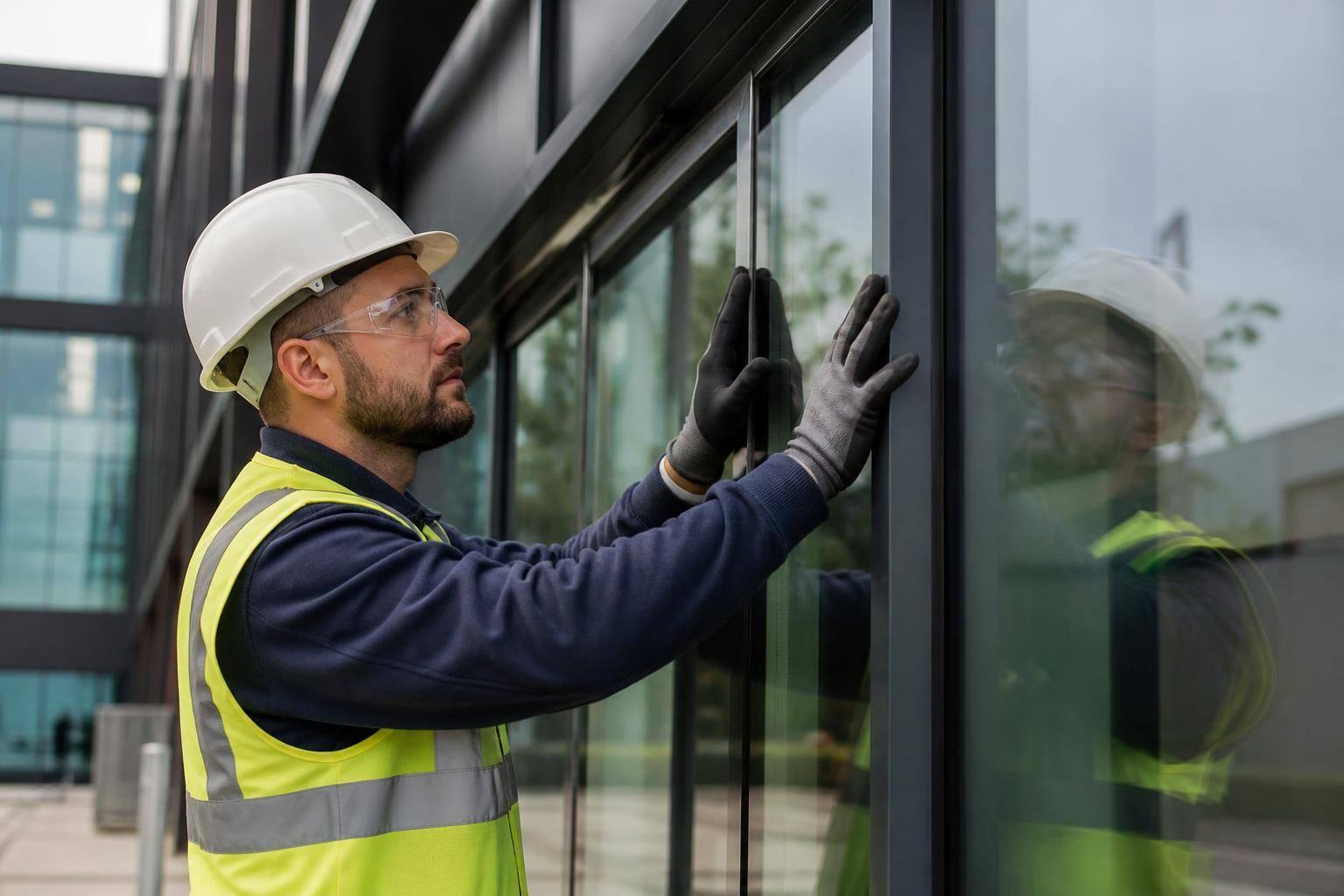
How is workmanship quality maintained during commercial glass installation?
Workmanship quality is maintained through careful specification, precise fitting and thorough inspection of each commercial glass installation. GlassPlus UK applies more than 30 years of industry experience and works in accordance with current building and safety regulations to support reliable, professional results.
GlassPlus UK maintains workmanship quality by controlling each stage of the installation, from the initial site review through to the final checks. The focus is not simply on placing glass into an opening, but on ensuring that the completed installation is accurately aligned, securely supported, properly finished and suitable for the surrounding building.
Before work begins, the installation requirements are reviewed against the existing structure. This includes considering the condition and dimensions of openings, the type of frame or support system, access restrictions and the relationship between the new glazing and adjacent materials. Identifying these points in advance helps reduce the risk of avoidable adjustments during fitting and allows the installation method to be planned around the building rather than relying on assumptions made on site.
Quality is also supported by checking that the specified glass, framing components, seals and associated materials are appropriate for the installation. Components need to correspond with the agreed design and the conditions in which they will be used. Any discrepancy in size, finish or specification can affect the appearance and performance of the completed work, so materials are handled and reviewed carefully before they are installed.
- Accurate setting out: Openings and fixing positions are checked so that frames and panels are installed in the correct location.
- Controlled handling: Glass is moved, stored and positioned with care to reduce the risk of edge damage, surface marking or contamination.
- Consistent alignment: Frames, panels, doors and adjoining sections are checked for level, plumb and visual continuity.
- Secure fixing: Supports and fixings are installed in a way that suits the construction of the building and the glazing system being used.
- Careful sealing: Perimeter seals and joints are formed neatly to help protect interfaces and provide a clean, professional finish.
The condition of the surrounding structure is an important part of the quality process. A new pane or frame cannot compensate for a damaged substrate, movement in the opening or deterioration around the fixing area. Where existing elements are being retained, their suitability is considered as part of the installation rather than treating them as automatically fit for reuse. This helps ensure that the finished work is supported by sound surrounding components.
Workmanship also depends on keeping the installation area controlled. Surfaces and adjacent finishes are protected where necessary, and the work is organised to limit unnecessary disturbance to the commercial property. Good site practice includes keeping components secure, maintaining a suitable working area and removing installation debris as the work progresses. These details affect both the finish presented to the client and the condition in which the surrounding premises are left.
Particular attention is given to the points where different materials meet. Glass, aluminium, masonry, plasterboard and other building elements can expand, move or respond differently to their surroundings. Joints, packers, seals and finishing details therefore need to be considered as part of the complete installation. Neat interfaces are important not only for appearance, but also for reducing potential weaknesses around the perimeter of the glazing.
Checks are carried out as the installation progresses rather than leaving every issue until the end. This allows alignment, support, clearances and finish quality to be reviewed while adjustments remain practical. The final review considers the visible condition of the glass and frame, the operation of any opening elements, the consistency of seals and the general integration of the installation with the building.
For a business comparing commercial glazing contractors, the quality of the finished glass is only one consideration. The standard of preparation, the care taken with existing structures, the accuracy of fitting and the discipline applied to final checks all provide useful indicators of workmanship. GlassPlus UK combines these controls with practical experience in commercial premises, helping clients assess the installation on the basis of process as well as appearance.
A key sign of quality is the willingness to resolve uncertainties before installation continues. If site conditions differ from the agreed requirements, GlassPlus UK reviews the issue rather than forcing a component into place or disguising an adjustment. This measured approach helps protect the glazing system from avoidable stress and keeps the finished work consistent with the intended design.
For businesses comparing installers, this practical judgement is as important as the visible finish. It shows that workmanship is being assessed throughout the project, with decisions based on the condition of the property and the requirements of the installation rather than speed alone.
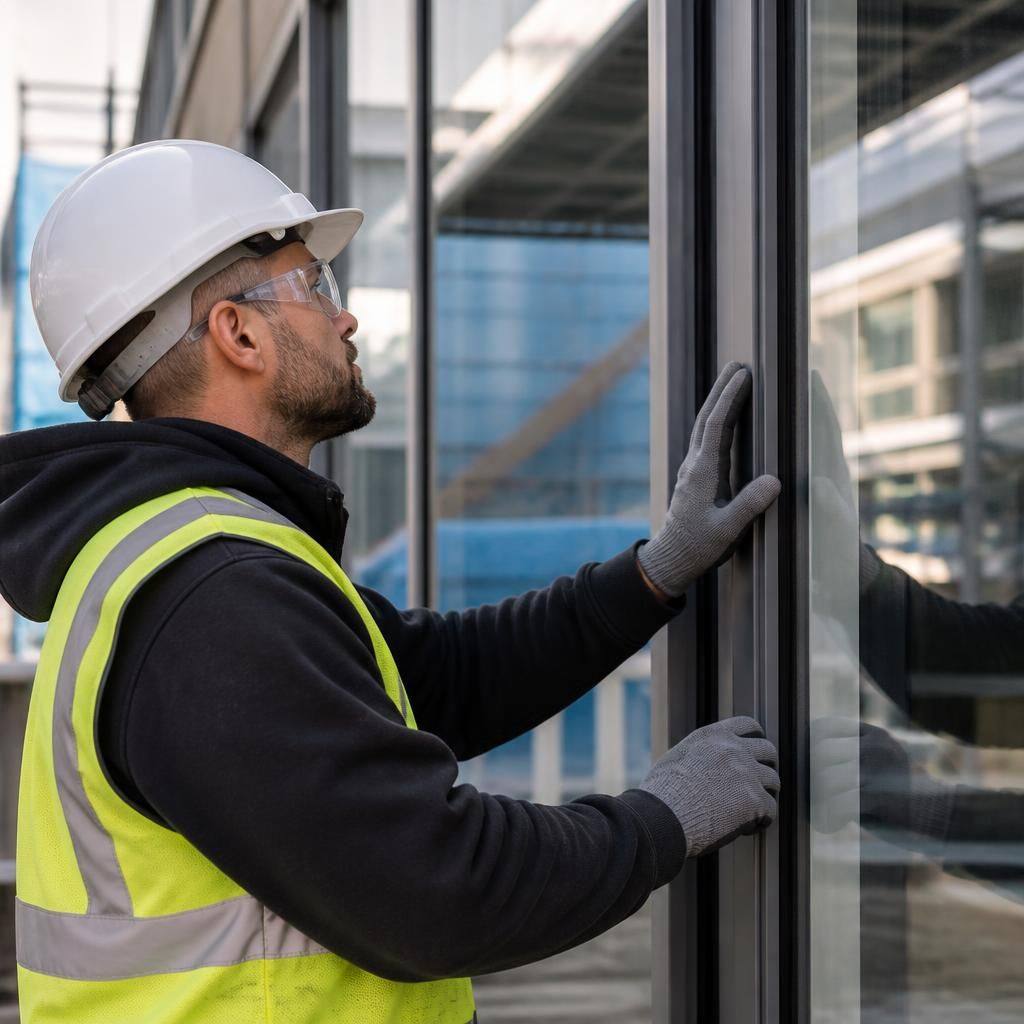
Discuss Your Commercial Glass Installation Requirements
Businesses considering commercial glass installation can contact GlassPlus UK to discuss their requirements and request a quotation. Sharing details of the property, glazing system and proposed work will help the team assess the installation accurately.