
Can sealed units be replaced in commercial windows?
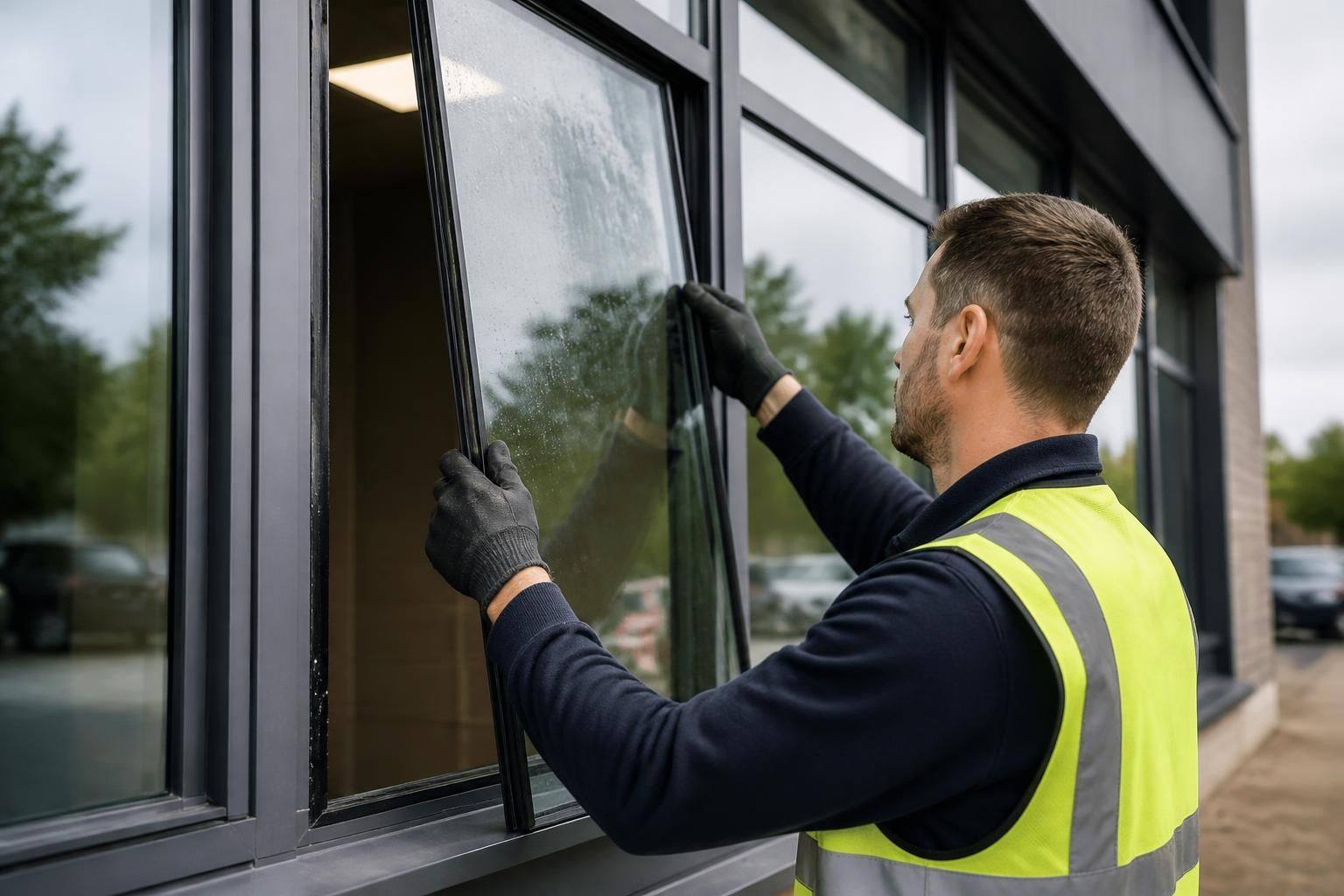
Yes, sealed units can usually be replaced in commercial windows without replacing the entire frame. GlassPlus UK can assess the existing glazing and frame, then specify a suitable replacement where the installation is technically appropriate.
Yes. In many cases, a failed or damaged sealed unit can be replaced while the existing commercial window frame is retained. This is often suitable where the frame remains structurally sound, correctly aligned and compatible with the replacement unit. GlassPlus UK can inspect the glazing and surrounding frame before confirming the appropriate replacement specification.
A sealed unit, also known as an insulating glass unit, consists of two or more panes separated by a spacer and sealed around the edge. The sealed cavity may contain air or gas to improve thermal performance. If the edge seal fails, moisture can enter the cavity and cause misting or condensation between the panes. Physical damage, impact or deterioration can also require the unit to be removed and replaced.
Replacing the unit rather than the complete window can be appropriate when the damage is limited to the glass. It may avoid unnecessary disturbance to the surrounding wall, internal finishes and external interfaces. However, the decision depends on the condition and design of the existing window, not simply on the appearance of the glass.
The replacement must be accurately matched to the existing installation. Important factors include:
- the overall width, height and thickness of the sealed unit;
- the number of panes and the size of the cavity;
- the glass type, including clear, tinted, laminated, toughened or other safety glass where required;
- any low-emissivity coating or solar-control performance originally specified;
- the spacer bar, edge detail and drainage arrangement;
- the method used to retain the unit within the frame; and
- the weight of the replacement and the ability of the frame and hardware to support it.
Matching the specification is important for more than visual consistency. A unit with the wrong thickness may not sit correctly in the rebate or may prevent the beads and gaskets from sealing properly. A change in glass type can also affect safety, daylight, solar gain, acoustic performance and the loading placed on the frame. Where a pane forms part of a door, is close to a floor or is situated in another vulnerable location, the safety-glazing requirements must also be considered.
An assessment normally begins with an inspection of the accessible glass, frame, gaskets, beads and adjacent finishes. Measurements are taken carefully, as the visible opening is not always the same as the unit size. The condition of the frame is checked for distortion, corrosion, failed joints, damaged drainage or other defects that could affect the new installation. If the frame is unsuitable, replacing only the sealed unit may not provide a durable solution, and wider repair or complete window replacement may need to be considered.
For commercial premises, the work also needs to be planned around the building’s use. The installer may need suitable access to both sides of the glazing, a safe area for removal and handling, and protection for nearby stock, furniture, flooring or equipment. Where the window is above ground level, on a busy frontage or within an occupied office or retail space, the access and safety arrangements form part of the assessment.
Once the old unit is removed, the opening and retention system should be checked before the new glass is installed. The replacement must be seated correctly, with suitable packers and seals where required, and the beads or fixing system must be refitted securely. The finished installation should be checked for alignment, movement, visible damage, seal integrity and correct operation of any opening lights or associated hardware.
There are circumstances in which a sealed-unit replacement is not the best option. A severely deteriorated, distorted or inadequately supported frame can continue to admit water or air after new glass is fitted. A change in the building’s use, performance requirements or design may also mean that the existing window no longer provides the required level of safety, security, thermal or acoustic performance. In such cases, GlassPlus UK can explain the practical options so that the proposed work is based on the condition of the complete installation rather than the glass alone.
GlassPlus UK approaches commercial sealed-unit replacement with attention to specification, safe handling and the surrounding frame. Its experience in commercial glazing repairs and commitment to current building and safety regulations help businesses make an informed decision between replacing the individual sealed unit, repairing associated components or renewing the wider window assembly.
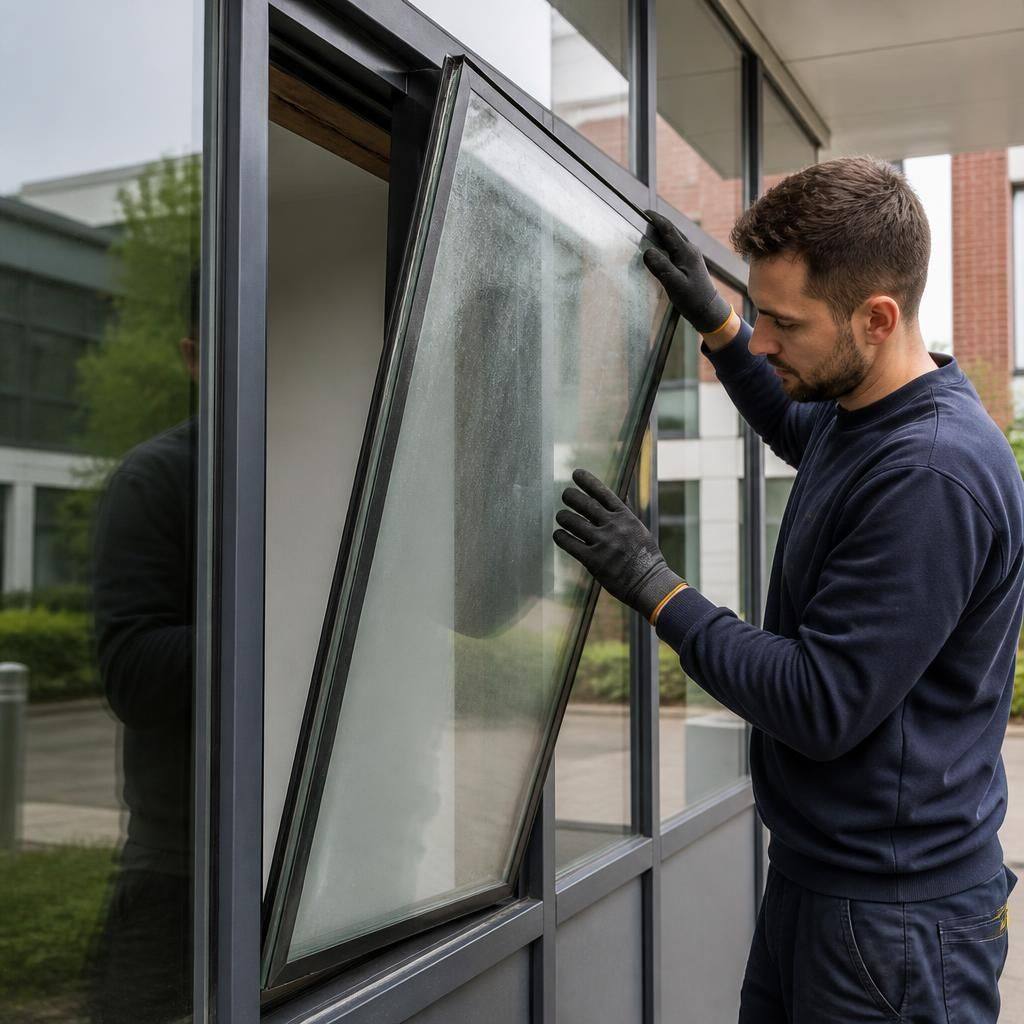
Condensation between the panes is a common indication that a sealed unit has lost its edge seal and may need replacing. This should be distinguished from condensation on the room-facing surface of the glass, which can be influenced by indoor humidity, ventilation and temperature and does not necessarily indicate a failed unit.
GlassPlus UK can assess where the moisture is occurring, inspect the glazing and consider the condition of the surrounding window before recommending sealed-unit replacement. This helps ensure that the proposed work addresses the actual fault rather than replacing sound glass unnecessarily.