
What should a business do before commercial building glass replacement begins?
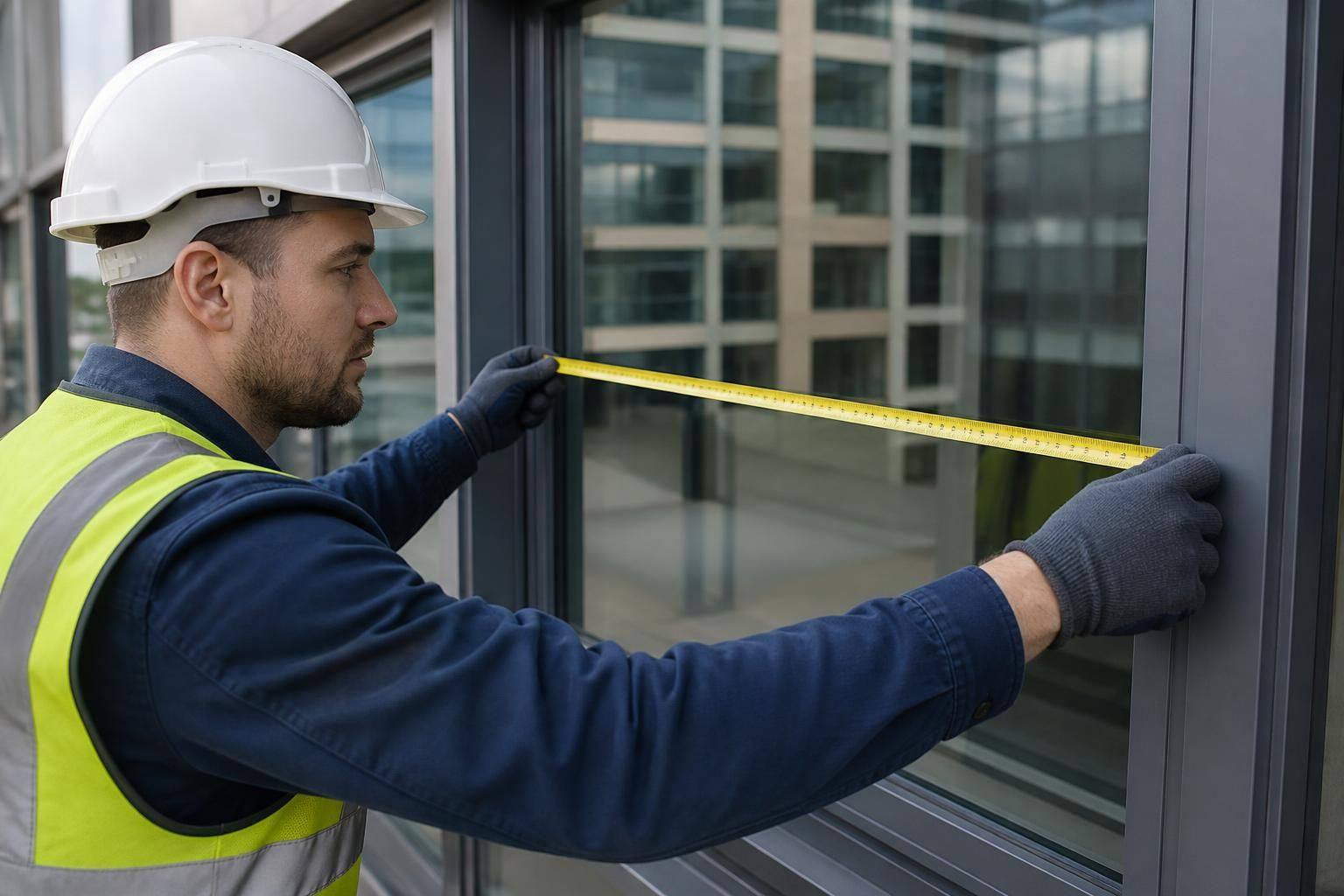
Before commercial building glass replacement begins, a business should arrange a site assessment to confirm the damage, glass specification, access requirements and safety controls. It should also agree the quotation, installation arrangements and any measures needed to minimise disruption to the premises.
Before commercial building glass replacement begins, the business should put clear responsibility, approvals, communication and site arrangements in place. This helps the contractor work to the agreed specification and allows the premises to be prepared without avoidable confusion or delays.
Nominate a responsible contact. One person should coordinate the project on behalf of the business. This contact should be authorised to confirm the scope of work, answer questions about the premises and approve any necessary decisions. Where the property is leased or managed by another organisation, the relevant landlord, managing agent or facilities team should be involved before work is instructed.
Confirm the required permissions. The business should check whether the proposed work needs approval under a lease, internal property procedures or building management rules. This is particularly important where the glazing forms part of a shared frontage, common area or managed commercial building. Any required permits, notifications or landlord approvals should be obtained before the installation date is arranged.
Provide accurate information about the existing glazing. The contractor should be told about any known history of the glass, including previous damage, recurring faults, alterations or restrictions affecting the surrounding frame. If the glazing is part of a curtain walling system or shop front, information about the wider installation can help the contractor assess how the replacement should integrate with adjoining components.
Check the specification before work is authorised. The quotation and written scope should identify what is being replaced and any associated components included in the work. The business should ensure that the proposed glass is suitable for its location and intended use, including relevant safety, thermal, acoustic, security or appearance requirements. Where matching existing glazing matters, this should be raised before materials are ordered rather than after installation.
Plan communication with people using the premises. Staff, tenants, visitors and neighbouring occupiers may need advance notice of the planned work. The business should explain which areas could be affected, whether normal routes will change and who should be contacted with questions on the day. Clear internal communication reduces the risk of staff or visitors entering an area that has been prepared for glazing work.
Prepare the work area. Furniture, displays, stock, equipment and valuable items should be moved away from the glazing where practical. Items that cannot be removed should be protected in accordance with the agreed arrangements. The business should also identify sensitive areas, such as customer service points, reception desks, trading displays or workstations, so that the installation plan takes their position into account.
Consider security and business-critical operations. The responsible contact should identify alarms, access-control equipment, shutters, signage, IT equipment and other fittings connected to or positioned close to the glass. These items may need to be isolated, removed or protected by an appropriately authorised person. Any security implications should be discussed with the contractor in advance, particularly where the glazing forms part of an external envelope or entrance.
Agree how the site will be handed back. Before work starts, the business and contractor should establish who will inspect the completed installation, remove temporary protection and deal with waste materials. The business should also confirm how any outstanding matter will be recorded. A straightforward handover process makes it easier to check that the agreed work has been completed and that the area can return to normal use.
Keep the relevant records together. The business should retain the quotation, agreed specification, photographs, approvals and any correspondence relating to the replacement. It should also request appropriate completion or product information where this forms part of the agreed service. Maintaining a clear record supports future maintenance, property management and any later assessment of the glazing.
GlassPlus UK can help a commercial client work through these practical points as part of the pre-installation process. With more than 30 years of industry experience, the company approaches replacement work with attention to specification, site conditions and current building and safety regulations, helping businesses prepare properly before installation begins.
Before the installation date is confirmed, the business should review the proposed method of work and the associated risk controls with the glazing contractor. This should explain how the existing glass will be removed, how replacement units will be handled, and how people nearby will be kept clear during the work.
The review should also consider noise, dust, deliveries and any lifting equipment that could affect normal building operations. Agreeing these arrangements in advance gives the business a clearer understanding of what the installation involves and allows the contractor to plan the work in line with the premises’ operational requirements. GlassPlus UK brings more than 30 years of industry experience to this planning stage, with work carried out in accordance with current building and safety regulations.