
How is commercial replacement glass selected for an existing installation?
Commercial replacement glass is selected by assessing the existing frame, glazing system and the performance required from the installation. GlassPlus UK considers compatibility, thickness, safety requirements and compliance with current building regulations before specifying a suitable replacement.
Commercial replacement glass is selected through a combination of site assessment, technical information and the intended use of the installation. GlassPlus UK first establishes what is currently installed, how it is supported and what the replacement must achieve, then specifies a suitable glass build-up that can be manufactured and fitted safely.
A proper assessment usually considers:
- The existing glazing arrangement: The survey identifies whether the installation uses a single pane, an insulated glass unit, laminated glass, toughened glass or another construction. Existing markings, spacer bars, seals and edge details can help confirm the original specification, although replacement glass should not be ordered solely from its appearance.
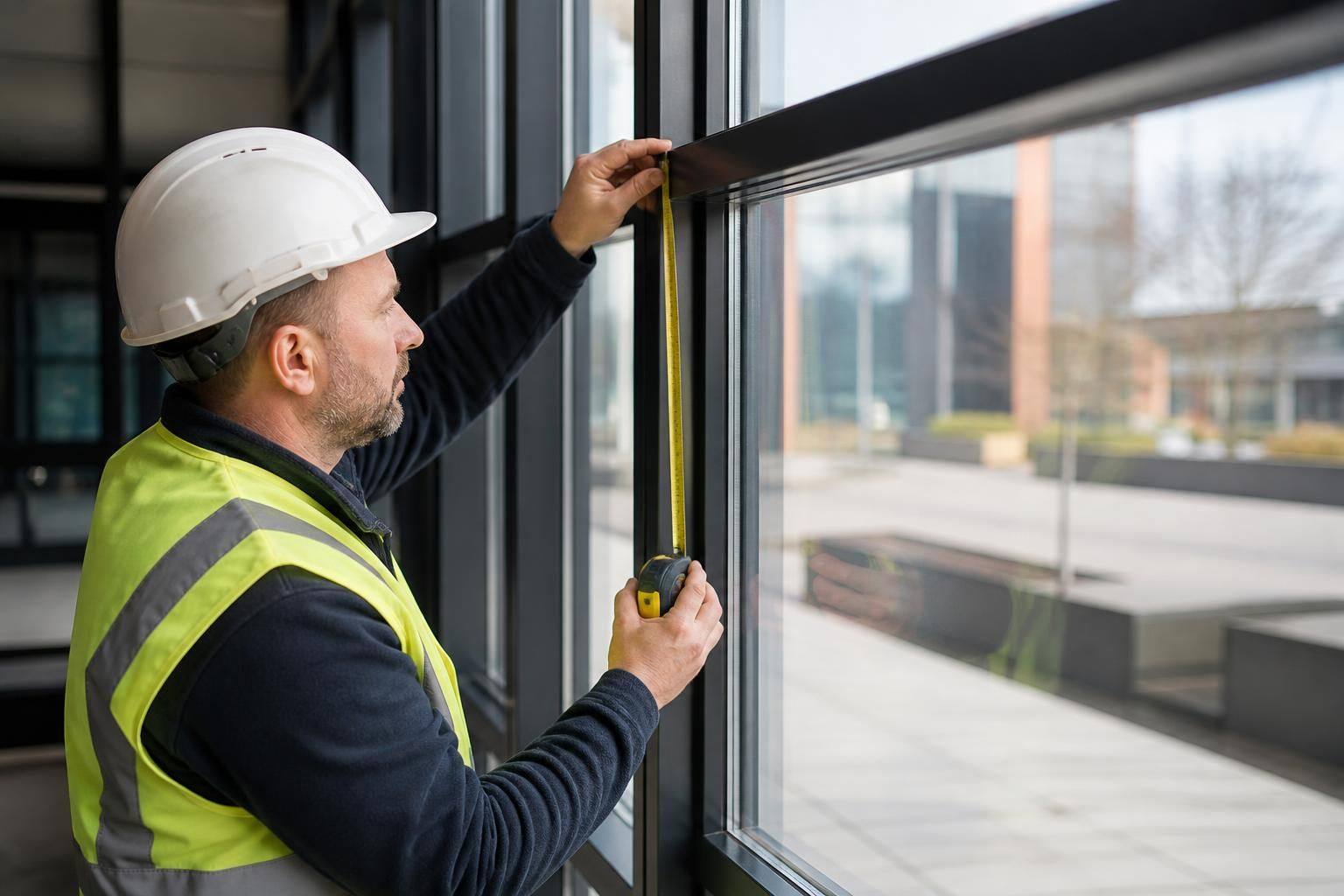
- Accurate dimensions: Width, height, thickness, edge clearance and the depth of the glazing rebate are checked carefully. Small dimensional errors can affect the fit, drainage and ability of the seals or beads to retain the pane correctly.
- The condition of associated components: Glazing beads, gaskets, setting blocks, pressure plates and sealants are reviewed alongside the glass. If these components have deteriorated, the specification or installation method may need to account for their repair or replacement.
- How the space is used: A shop front, office window, entrance screen and curtain walling panel can have different demands. Areas exposed to impact, frequent contact, public access or internal partitioning may require a different glass construction from a lightly used upper-level window.
The appearance of the replacement is also important in a commercial property. GlassPlus UK considers colour, light transmission, reflection, visible distortion and the effect of any tint or coating. Where a pane forms part of a larger elevation, a technically suitable replacement that looks noticeably different may still be unsuitable visually. Matching an older installation can be difficult, particularly where the original glass is no longer readily available, so the proposed specification should take account of the surrounding panes and the expectations for the finished elevation.
Where an insulated glass unit is involved, the selection goes beyond the outer pane. The unit may include different panes, a spacer, a cavity and seals that together affect its dimensions and behaviour. The replacement therefore needs to reflect the available space in the existing frame and the way the unit is retained. Signs such as misting between panes can indicate seal failure, but they do not by themselves establish the correct replacement specification.
Performance requirements are assessed in relation to the building and its occupants. Depending on the installation, the specification may need to address thermal control, noise reduction, solar gain, privacy, security or resistance to accidental impact. These factors are considered together rather than in isolation, because improving one characteristic can affect appearance, weight, light transmission or the suitability of the unit for the existing arrangement.
Safety classification is particularly important in doors, low-level glazing, screens beside circulation routes and locations where people could fall against the glass. The chosen construction must be appropriate for the risk and installed in a way that preserves its safety function. Fire-resistant glazing, where relevant to the building design, is a specialist requirement and cannot be substituted with ordinary safety glass.
The final specification is checked against the information available for the installation and the requirements of current building and safety regulations. This includes confirming that the proposed glass is suitable for its position, that any required markings or documentation can be provided, and that the installation method is consistent with the frame and glazing system. A like-for-like replacement may be appropriate in some cases, but it is not automatically the correct choice if the original glass was incorrectly specified, the use of the area has changed or regulations now require a different approach.
For that reason, selection is normally based on a measured survey and the available project information rather than a description such as “window glass” or “shop-front glass”. Previous drawings, maintenance records and details from the original installer can assist, but the physical installation remains the key reference. Where information is incomplete, the specification should clearly record the assumptions made and any points requiring confirmation before manufacture.
Once the glass type and build-up have been agreed, the details are recorded for ordering and installation. This creates a clear link between the existing installation, the proposed replacement and the checks carried out before work begins, helping commercial clients make an informed decision without relying on an uncertain visual match alone.
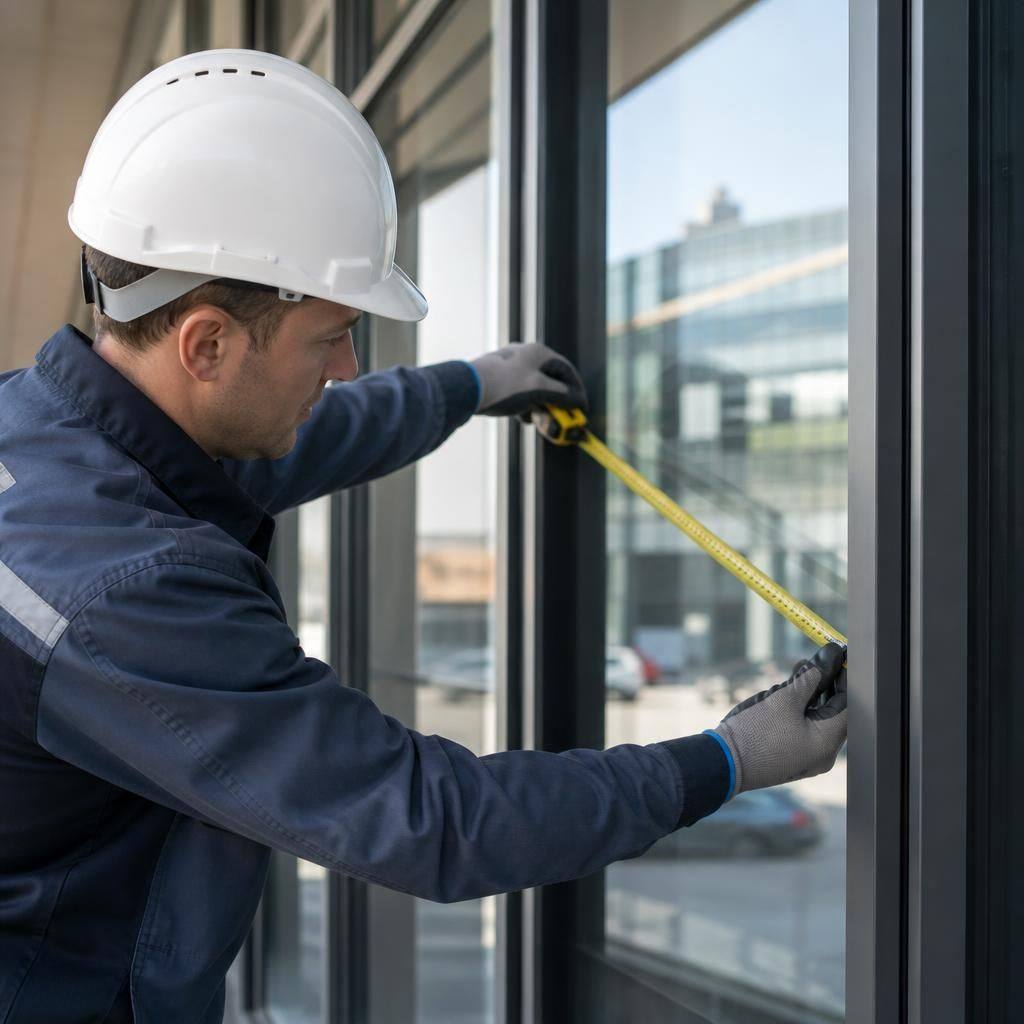
Replacement glass should be selected with the reason for the original failure in mind. A pane damaged by accidental impact may require a different safety approach from one affected by thermal stress, edge damage or movement within the glazing system. Simply reproducing the failed pane may not address the underlying risk.
GlassPlus UK therefore considers the damage pattern alongside the condition of the frame and surrounding components. This helps distinguish between a straightforward replacement and a specification that should be reviewed to reduce the likelihood of a similar failure. The recommendation can then be based on the installation’s actual circumstances rather than on the broken pane alone.
Discuss your commercial replacement glass requirements
Businesses considering replacement glass for an existing installation can contact GlassPlus UK to discuss the site requirements and available specification options. The team can review the relevant details and advise on the next steps for a compliant replacement.