
How is replacement glass matched to existing commercial glazing?
Replacement glass is matched by assessing the existing pane’s dimensions, thickness, glass type, coating and performance requirements, alongside the frame and surrounding glazing system. GlassPlus UK uses this information to specify a suitable replacement that fits correctly and supports the commercial property’s safety and compliance needs.
Replacement glass is matched through a combination of site inspection, measurements, technical identification and assessment of the existing glazing system. The aim is not simply to produce a pane of the same size, but to specify glass with the correct construction, appearance, safety characteristics and performance for the commercial installation.
The assessment normally considers the following points:
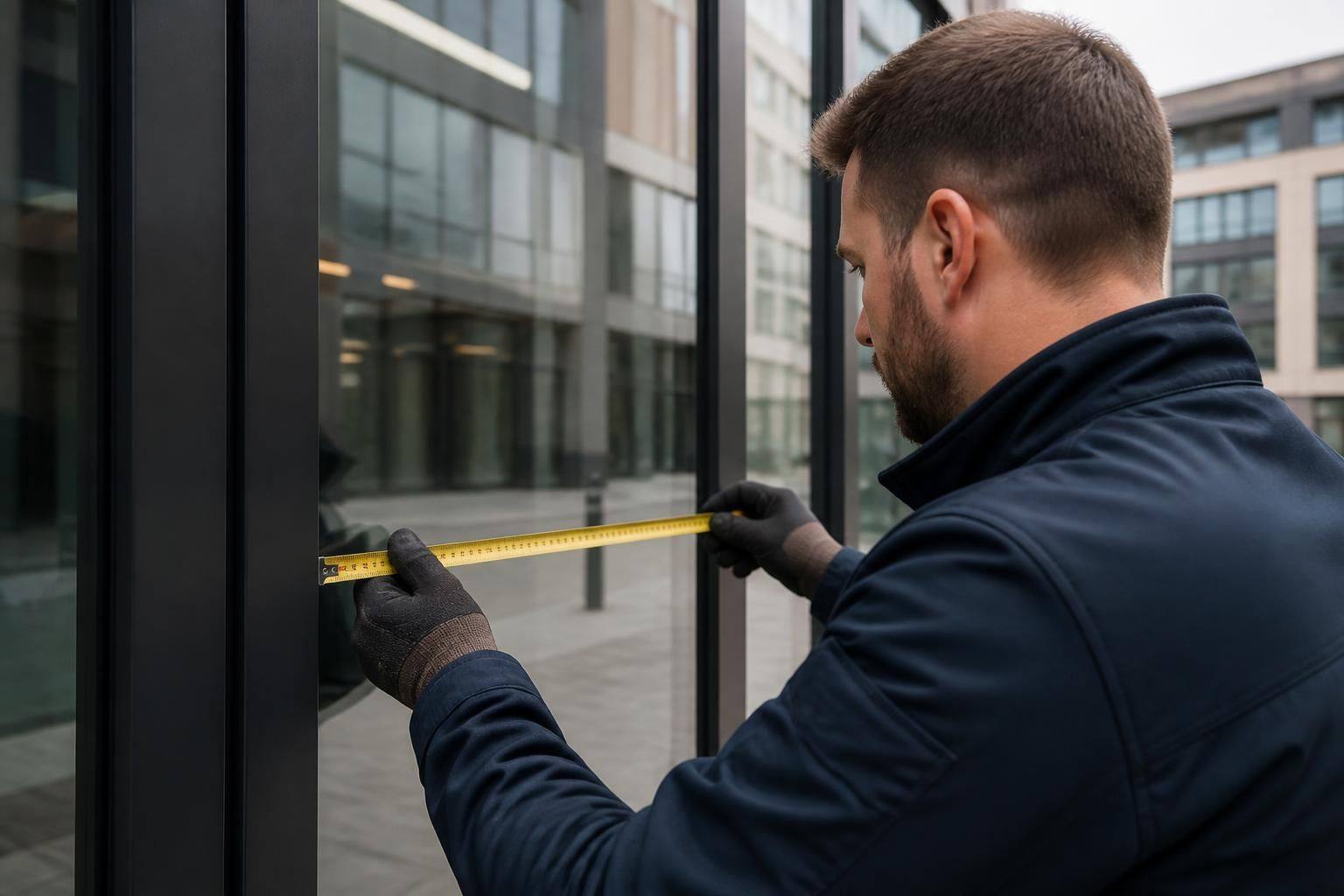
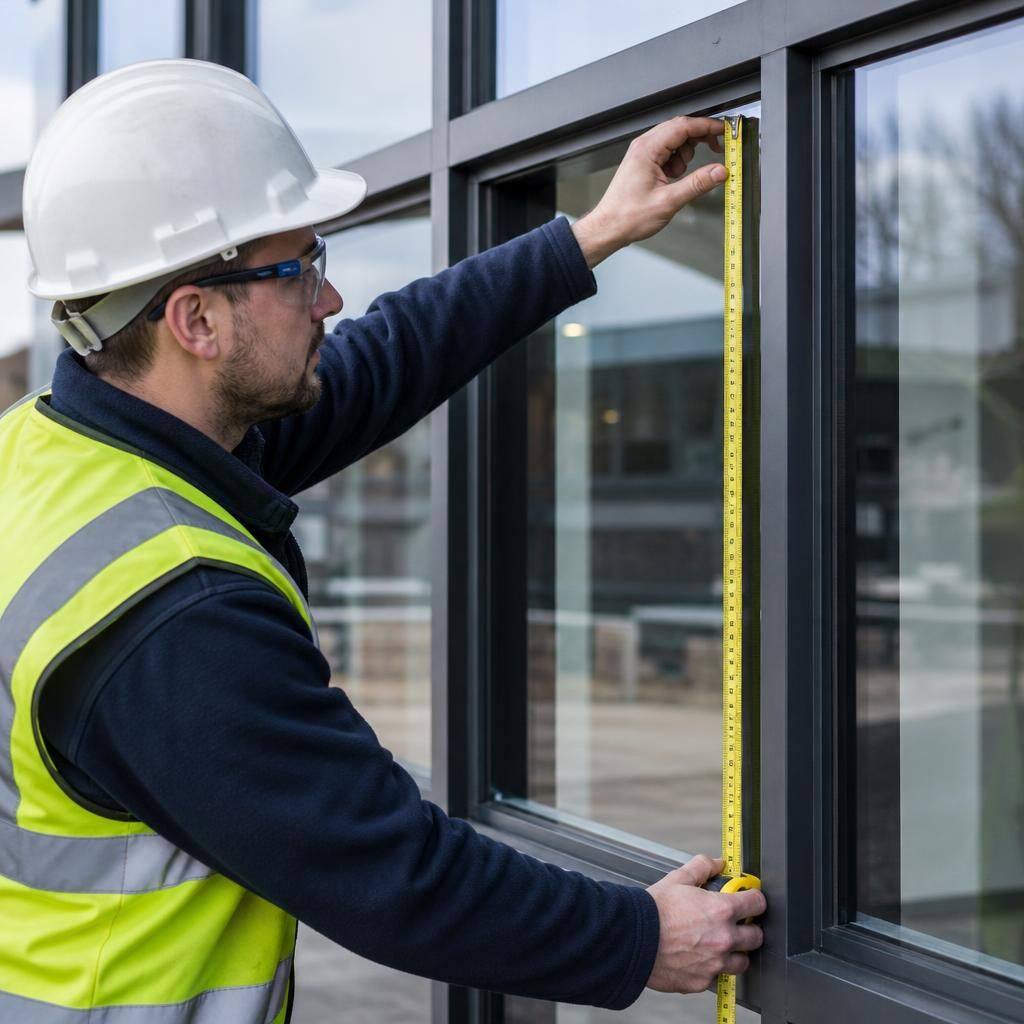
- Exact dimensions: The visible opening, rebate depth, edge clearances and fitting tolerances are checked. Measurements must account for the way the pane is retained within the frame, rather than relying only on the exposed glass area.
- Glass thickness and construction: The replacement may be single glazing, laminated glass, toughened glass, wired glass or part of an insulated sealed unit. Where a sealed unit is involved, the overall unit thickness, cavity arrangement and pane composition are also relevant.
- Safety classification: Glass in doors, screens, entrances and other areas vulnerable to impact may need to provide safety performance under applicable building and safety requirements. The location and use of the glazing help determine whether toughened or laminated glass is appropriate.
- Appearance: Colour, tint, reflectivity, transparency, surface texture and any visible pattern are compared with the surrounding panes. A technically suitable pane can still look out of place if its visual characteristics do not match the existing elevation.
- Coatings and solar performance: Low-emissivity, solar-control and other functional coatings can affect both appearance and building performance. Their position within a sealed unit is important, so the specification is checked rather than assumed from the glass colour alone.
- Edge details and fittings: The condition and type of gaskets, beads, sealants, setting blocks and other retention components are reviewed. These details affect whether the new pane can be installed correctly and whether associated materials should be renewed.
Identification is supported by records where they are available, including previous specifications, drawings, maintenance information and details of the original glazing system. On site, the glazing may also be examined for markings, spacer information, reflections, coating characteristics and manufacturing clues. These checks are particularly useful where there is no accessible documentation or where different glass types have been used in the same building.
Matching also requires consideration of the surrounding frame and façade. Curtain walling, shop fronts, commercial windows and glazed doors can have different drainage, pressure-plate, gasket and fixing arrangements. The replacement specification therefore needs to work with the existing system, including its method of retaining and sealing the glass. If the frame has moved, deteriorated or been damaged, this is recorded because it may affect the suitability of a like-for-like replacement.
For insulated units, the comparison goes beyond the outside dimensions. The spacer, cavity, gas fill where relevant, internal panes, warm-edge details and sealed-unit seal are considered alongside the visual match. Correct unit build-up helps reduce the risk of fitting problems, condensation-related issues or a noticeable difference between the new unit and adjacent glazing.
Where the original specification cannot be confirmed, the available evidence is assessed and the proposed replacement is selected against the use of the space and the requirements of the installation. The recommendation should make clear where the new glass is an exact match, a close visual match or a compliant alternative. This gives the building owner, facilities manager or contractor a clear basis for approving the work.
GlassPlus UK applies this structured approach to commercial glazing repairs and replacement work. By checking the glass, frame, fittings and intended use together, the company helps ensure that the replacement is correctly specified before manufacture and installation, while supporting compliance with current building and safety regulations.
For commercial properties, an agreed replacement specification can also support future maintenance. Recording the confirmed glass type and relevant installation details gives facilities teams a dependable reference if another pane on the same elevation is damaged later. This helps maintain a consistent appearance and avoids treating each replacement as an entirely new investigation. GlassPlus UK can explain whether the proposed pane is an exact match, a close visual match or a suitable alternative, giving the responsible building owner, facilities manager or contractor a clear basis for approval.