
Can residential window glass be replaced without replacing the frame?
Yes, residential window glass can often be replaced without replacing the frame, provided the existing frame is sound and compatible with the replacement pane. A professional assessment will confirm whether a glass-only repair is suitable or whether the frame also needs attention.
The deciding factor is whether the existing frame can safely and accurately support a new pane. If it remains structurally sound, correctly aligned and free from significant deterioration, a glass-only replacement is usually the appropriate approach.
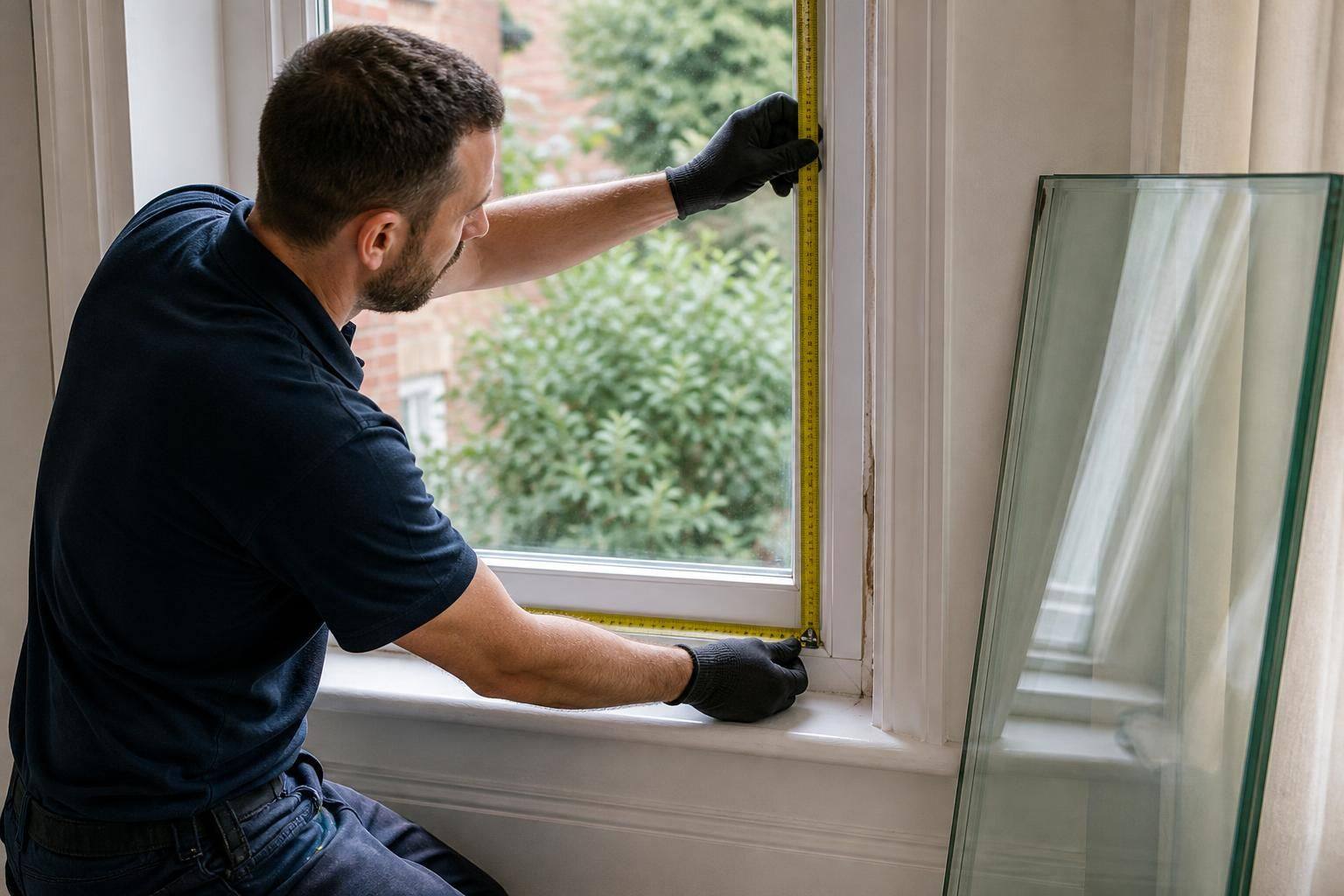
A glazier will first inspect the frame, the opening and the method used to retain the glass. Many windows hold the pane in place with glazing beads, seals or putty. These components may need to be removed and renewed during the work, but that does not necessarily mean the complete frame must be replaced.
The replacement pane must match the window’s requirements. This includes its thickness, dimensions, edge clearance and type of glazing. A double-glazed unit, for example, must be made to the correct size for the existing frame and may require attention to the seal around the unit. If the wrong specification is used, the pane may not fit securely or provide the expected level of insulation and protection.
Glass-only replacement can be suitable where the damage is limited to the pane, such as a crack, breakage or failed sealed unit. It can also preserve the appearance of the existing window and avoid removing a frame that is otherwise performing properly. The work still needs to be carried out carefully, as damaged glass can present an immediate safety risk and fragments may remain within the frame or surrounding area.
Frame replacement may be more appropriate where the frame is warped, badly corroded, rotten, cracked or no longer holds the glazing securely. Persistent water ingress, loose sections, failed opening mechanisms or substantial deterioration around the fixing points can also indicate that replacing the pane alone will not resolve the underlying problem. In these circumstances, fitting new glass into the old frame may provide only a temporary solution or may not be technically safe.
There can also be limitations caused by the original design. Older frames may not accommodate modern sealed units, thicker safety glass or upgraded glazing without modification. The condition of the surrounding wall, sill and adjacent frame sections should also be considered, particularly where movement or damp has contributed to the damage.
A suitable assessment should therefore cover:
- the extent and location of the glass damage;
- the frame’s condition, stability and alignment;
- the way the existing pane is secured;
- the required glass specification, including safety considerations;
- the condition of seals, beads, gaskets and drainage points; and
- whether the proposed work complies with current building and safety regulations.
Where the frame is suitable, the work normally involves making the area safe, removing the damaged pane, preparing the rebate, installing the correctly specified replacement and checking that the seals and retaining components are secure. The completed installation should sit evenly, remain properly supported and allow the window to operate as intended.
GlassPlus UK can help determine whether a residential window needs a replacement pane or more extensive frame work. Providing clear photographs, the approximate pane dimensions and details of the damage can help establish the likely scope before a quotation is prepared. A proper site assessment remains important where the frame’s condition, the glass specification or the safety requirements are uncertain.
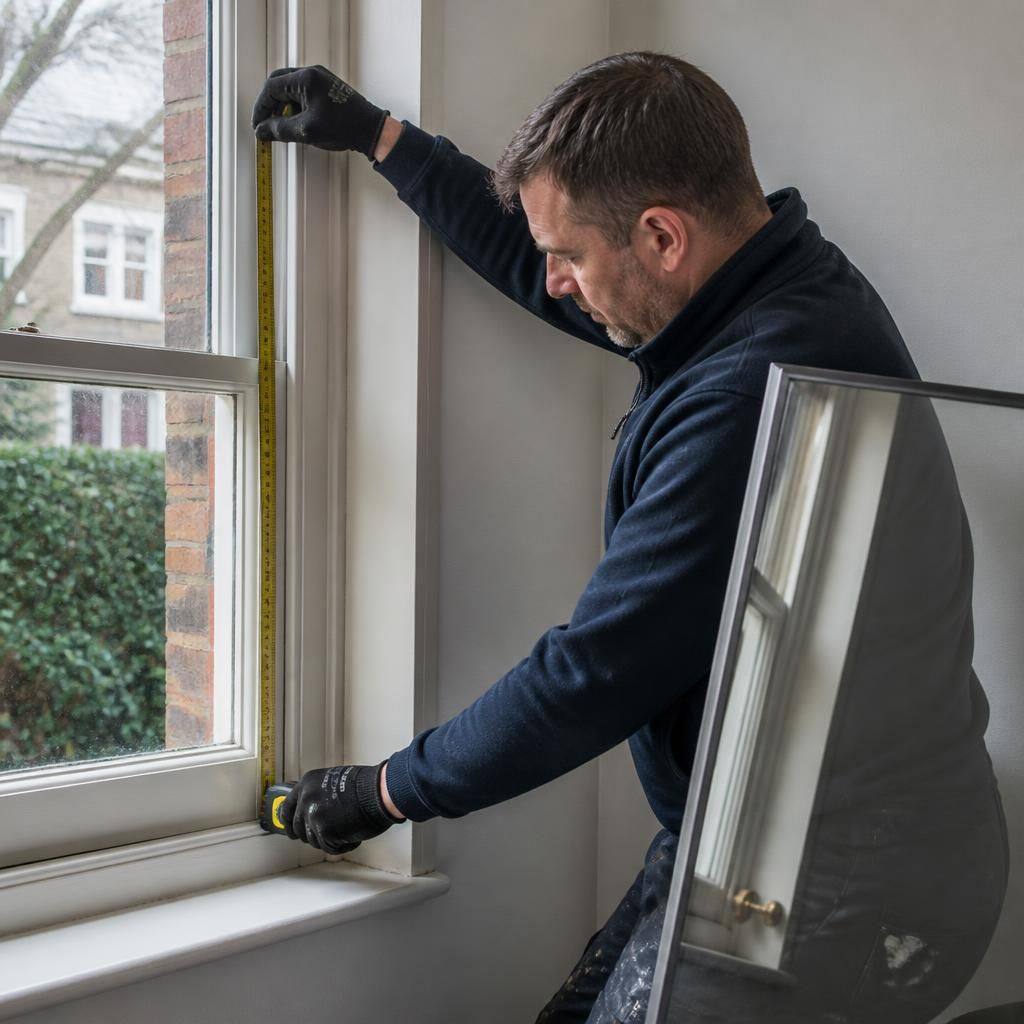
Keeping a sound frame in place can limit the work around the window. The surrounding plaster, trim and internal finishes are less likely to be disturbed than they would be during removal of the complete window assembly. This can be particularly useful where the frame forms part of an established interior or matches other windows in the property. The extent of any disturbance will depend on how the original glazing was installed and whether surrounding materials have already been affected by the damage.