
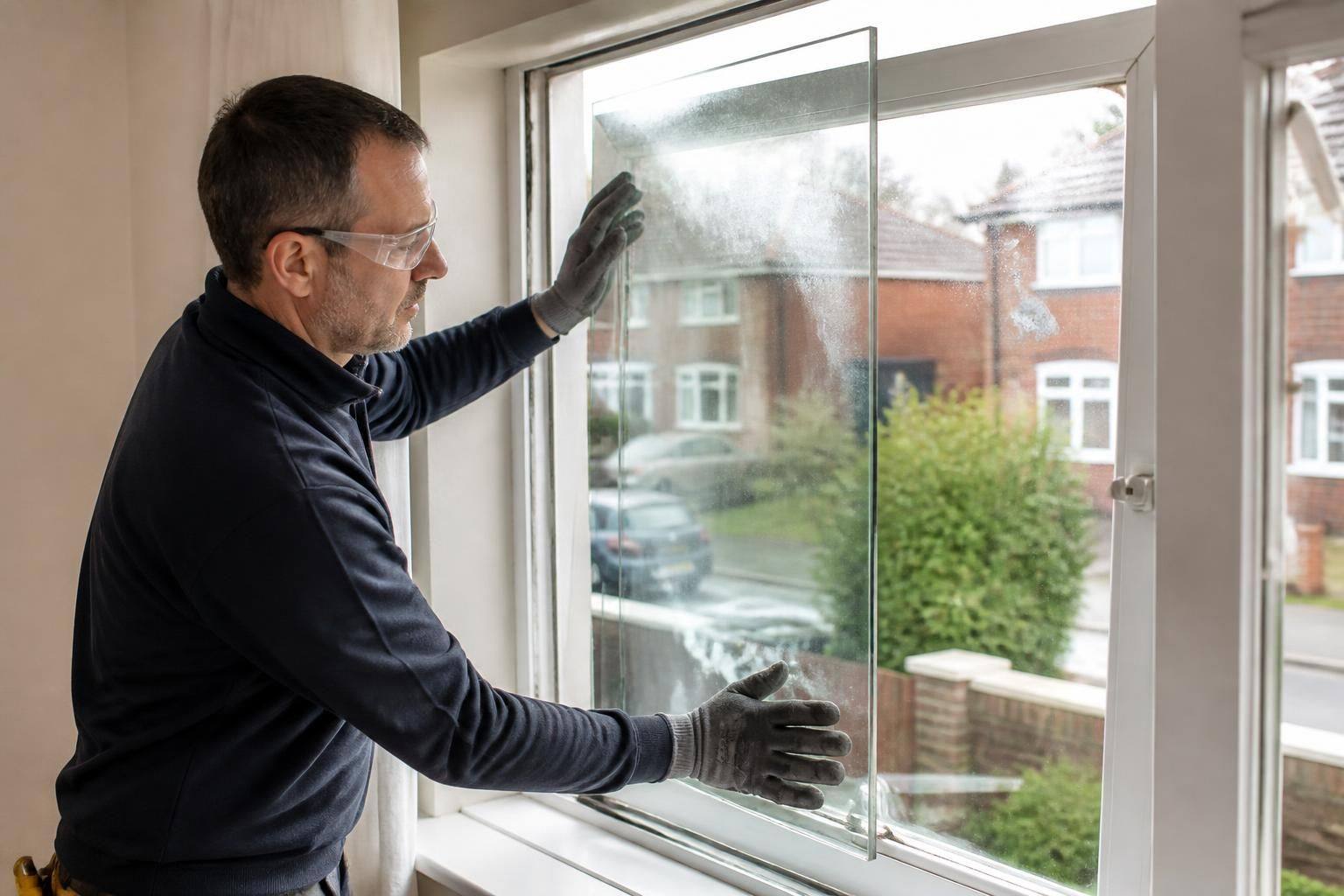
How is safety managed during residential window glass replacement?
Safety during residential window glass replacement is managed by securing the work area, using suitable protective equipment and handling the glass carefully throughout removal and installation. The completed work is checked and the area is cleared of broken glass and other debris, in line with current building and safety regulations.
Safety during residential window glass replacement is managed primarily through careful planning, correct glass selection and a structured installation process. Before work begins, the glazing professional assesses the window, its frame, the opening and the surrounding room so that potential risks can be identified and controlled.
The initial assessment considers the condition of the frame, the size and position of the pane, how the window opens and whether access is needed from inside, outside or at height. A sound frame is important because replacement glass must be supported securely once fitted. If the frame is damaged, distorted or unsuitable, this should be identified before the replacement is installed rather than treated as a minor issue afterwards.
The type of replacement glass is also central to safety. Where a pane is located in a door, beside a door, close to floor level or in another area where people could collide with it, safety glass may be required. This glass is designed to reduce the risk of serious injury if it is broken. The appropriate specification depends on the window’s position, dimensions and use, so it should be confirmed as part of the assessment rather than selected on appearance alone.
Occupants are considered as part of the work plan. Furniture and personal belongings may need to be moved away from the window, while children, pets and other household members should remain clear of the working area until the installation is complete. This helps prevent contact with tools, materials and the open window aperture, and gives the installer sufficient room to work safely.
Where access equipment is needed, it must be suitable for the property and the particular window. Work at height requires additional planning, including consideration of stable access, the condition of the ground and the route used to bring materials to the opening. The installer also takes account of nearby surfaces and property features that could be affected during the work.
During removal, the existing pane and any damaged components are dealt with methodically. The frame is then examined for remaining fragments, loose materials or defects that could affect the new unit. Replacement glass is positioned with the correct supports and clearances, allowing it to sit properly without undue pressure. Seals, beads and other retaining components are refitted correctly so the pane remains secure in normal use.
Once installed, the window is inspected for movement, alignment and operation. Opening sections are tested to confirm that they function correctly and do not place unexpected strain on the new glass or frame. The final inspection also provides an opportunity to identify any adjustment required before the work area is handed back to the resident.
For residential work, safety therefore depends on more than the act of fitting a new pane. It involves assessing the opening, specifying suitable glazing, managing access and occupants, installing the unit correctly and confirming that the finished window is fit for use. GlassPlus UK carries out this work with regard to current building and safety regulations, helping provide a sound and properly considered replacement.
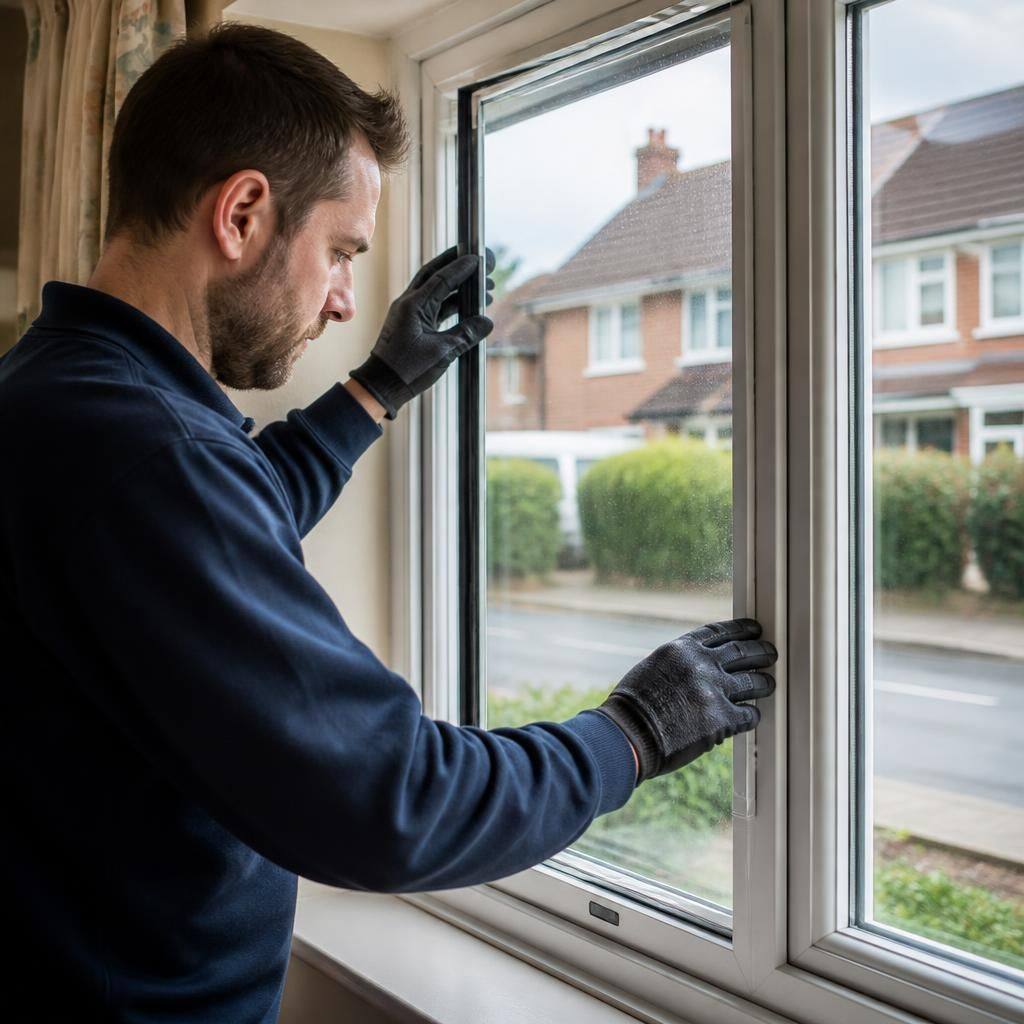
One useful safety check is confirming that safety glass has been correctly identified after installation. Where this specification is required, the pane should carry the appropriate permanent marking, allowing its type to be verified rather than judged by appearance alone. Checking this marking alongside the work details gives the property owner a clear record of what has been fitted and helps future maintenance work proceed with the correct safety information.