What type of glass is suitable for residential window replacement?
The most suitable glass depends on the window design, existing frame and the required level of thermal performance and safety. Energy-efficient double glazing is often appropriate for reducing heat loss, while toughened or laminated glass may be preferable where improved impact resistance or security is required.
The most appropriate specification is determined by the window frame, the size and position of the pane, the room’s function and the performance required. Clear replacement glass may be suitable for a straightforward like-for-like repair, while a coated, laminated, patterned or multiple-pane unit can provide more suitable performance where comfort, privacy, noise or safety is a concern.
Low-emissivity glass has a very thin coating that helps reflect heat back into the room. It is commonly used as part of an insulated glass unit and can improve the overall thermal performance of a replacement window. The coating must be positioned correctly within the unit, so the specification and manufacture need to match the frame and glazing system rather than being selected by appearance alone.
Solar-control glass can be considered for rooms that receive substantial sunlight or are prone to overheating. It reduces the amount of solar energy entering through the window, although the exact balance between glare reduction, daylight and heat control depends on the product specification. This option should be assessed carefully where the room needs to remain bright throughout the day.
Acoustic laminated glass may be appropriate where external traffic, construction activity or general environmental noise is affecting the room. Its construction can reduce the transmission of certain sound frequencies, but the result also depends on the frame, seals, wall construction and the way the window is installed. Replacing the pane alone cannot correct significant sound leakage through other parts of the opening.
Obscure or patterned glass is useful where privacy is important, including bathrooms, entrance areas and windows overlooking neighbouring properties. It allows natural light into the room while limiting clear visibility. Different patterns provide different levels of privacy, so the choice should reflect the window’s height, position and the view from outside.
Where a window is close to doors, floors or other areas vulnerable to accidental impact, the glass specification should be checked against the relevant safety requirements. The frame, glazing beads and retaining system must also be capable of accommodating the selected pane. A thicker or heavier unit is not automatically suitable for an existing frame, particularly in older windows.
The main points considered during a professional assessment include:
- Whether the existing frame can accept the required glass thickness and unit construction.
- The condition of the frame, seals, beads and drainage arrangements.
- The dimensions, weight and location of the replacement pane.
- Thermal, solar, acoustic and privacy requirements for the room.
- Whether safety glazing or another specialist specification is required.
- Compatibility with the appearance of the remaining windows.
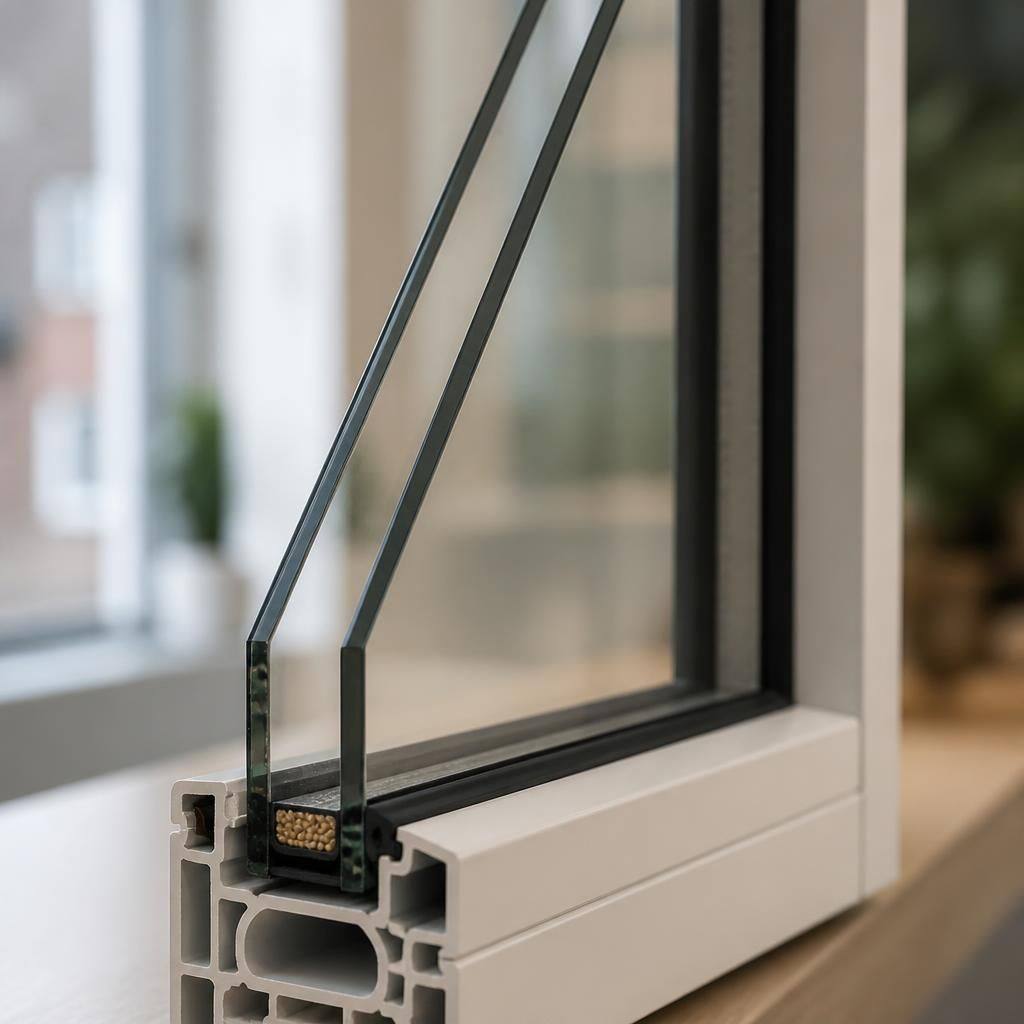
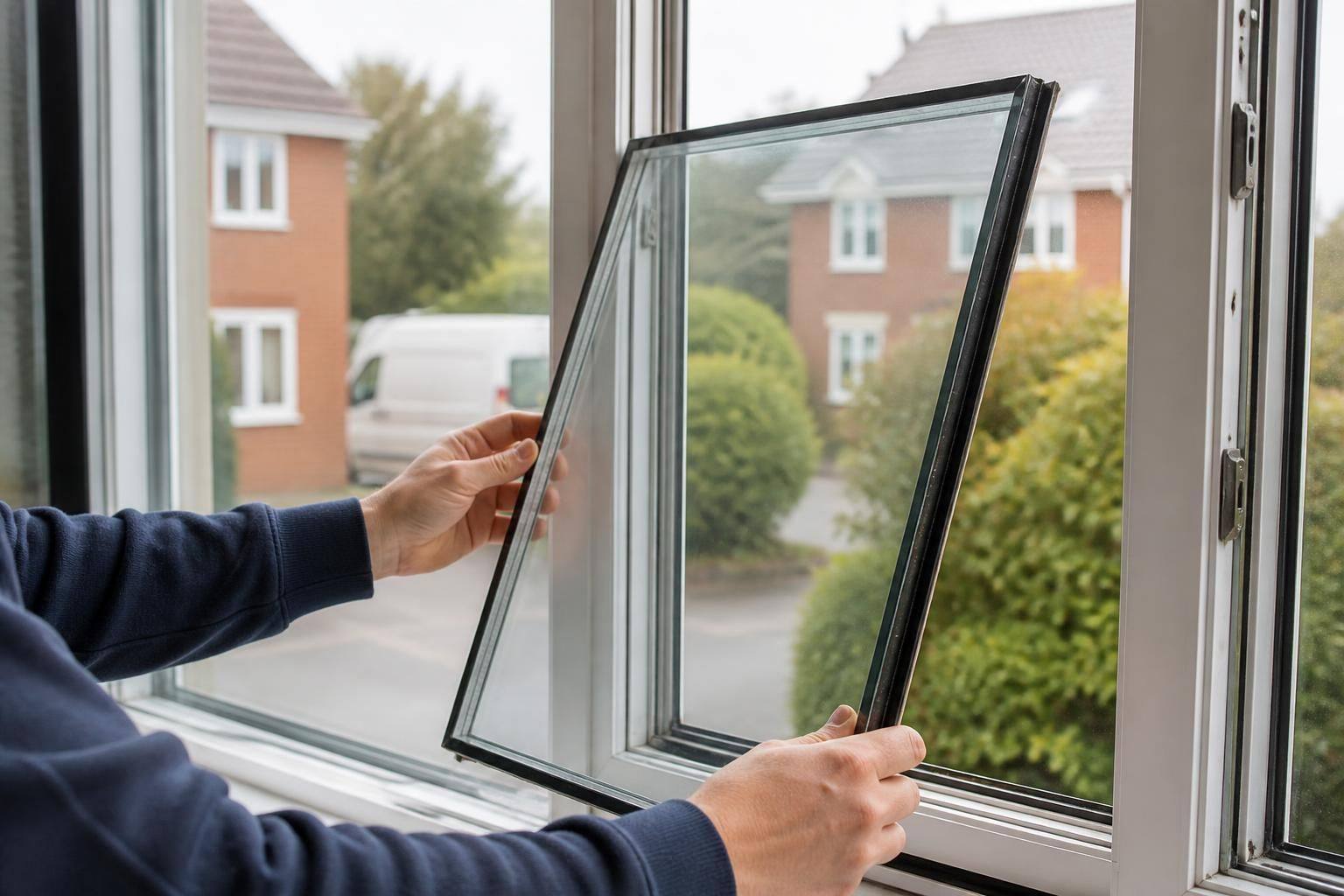
For replacement insulated units, the spacer, edge seal and internal cavity are important as well as the panes themselves. A suitable combination helps the unit perform as intended and reduces the risk of choosing a product that will not fit the existing rebate or glazing system. Signs such as misting between panes usually indicate failure of the sealed unit, but the frame should still be inspected before a specification is confirmed.
GlassPlus UK recommends confirming the specification from measurements and an inspection rather than choosing solely from a photograph or a description of the existing pane. The company can advise on a suitable replacement based on the window’s construction and intended use, with the completed work carried out in line with current building and safety regulations.
Toughened and laminated glass provide different safety benefits. Toughened glass is heat-treated so that, if it breaks, it generally forms small, less dangerous fragments. Laminated glass has an interlayer that helps hold the broken pieces together, making it a suitable consideration where retaining the pane after breakage or improving security is important. The correct option depends on the window’s position, the likely impact risk and the requirements of the existing frame.