Can damaged vehicle glass be repaired instead of replaced?
Damaged vehicle glass can sometimes be repaired, depending on the damage’s size, depth and location. Where the damage affects the glass’s strength, visibility or safety, replacement may be the more appropriate option following a professional assessment.
Yes, some damaged vehicle glass can be repaired, but only where the damage is limited and a repair will restore an acceptable level of safety and visibility. A professional inspection is needed before deciding whether repair or replacement is suitable.
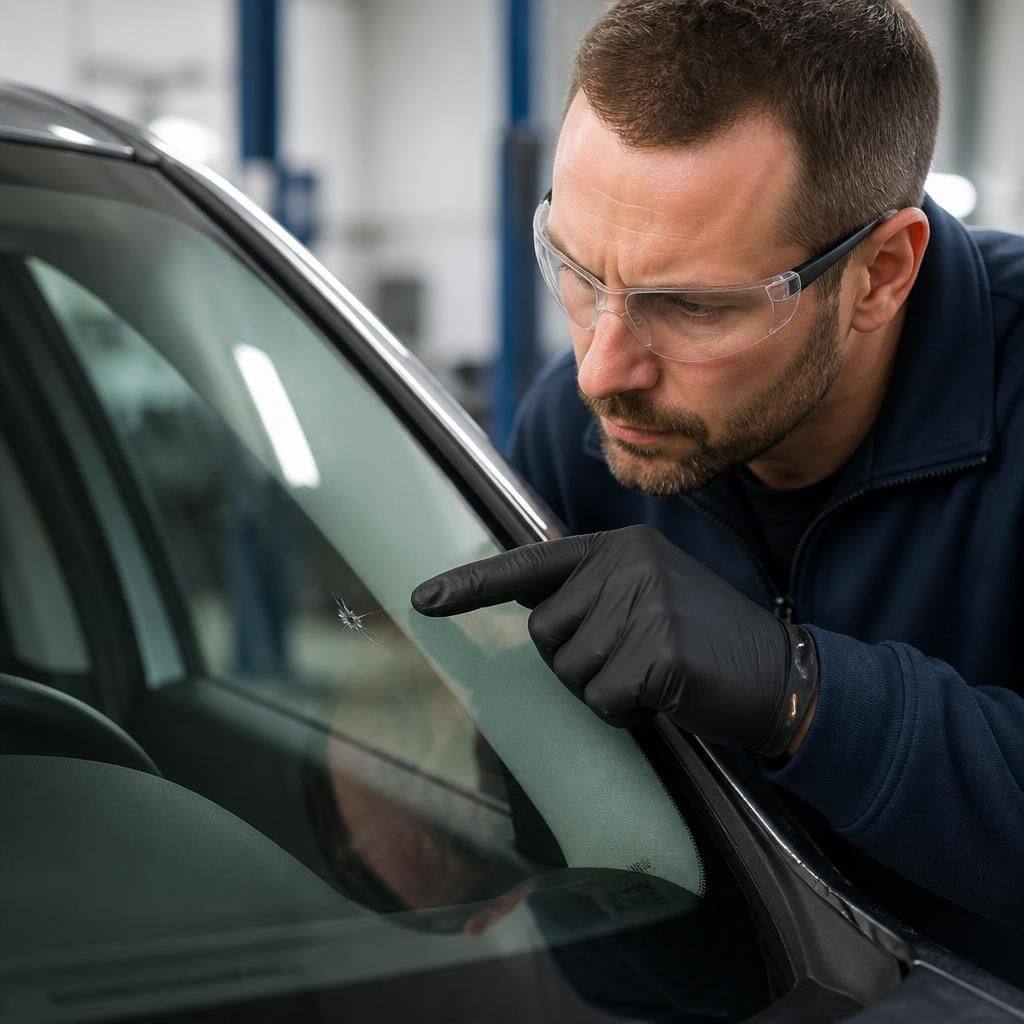
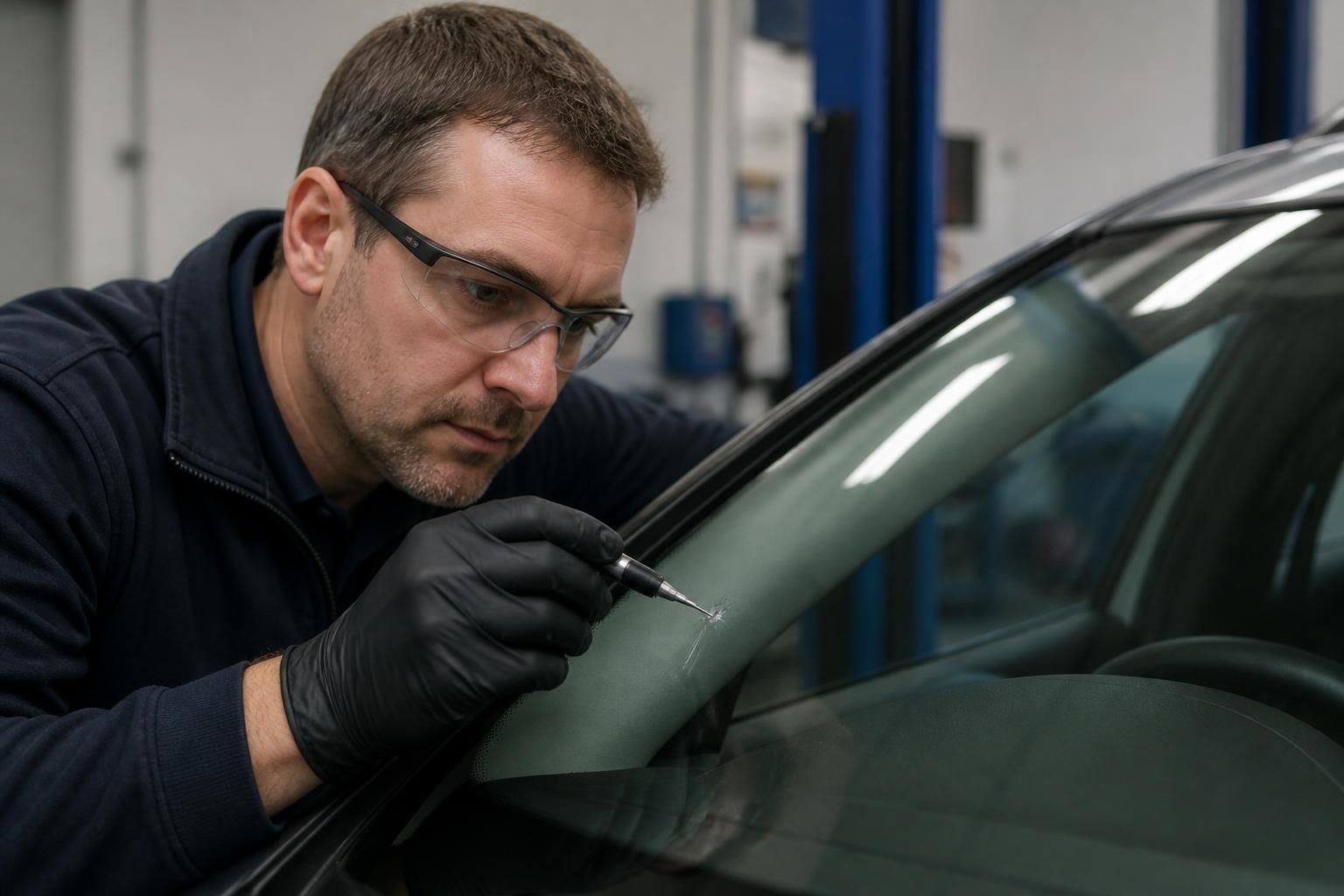
Minor chips in a laminated windscreen are often candidates for resin repair. The process generally involves cleaning the damaged area, removing air and contaminants, and filling the impact point with a specialist resin. This can help prevent the damage from developing further and may improve the appearance of the glass. It does not, however, make every type of damage repairable.
Replacement is more likely to be required where:
- the damage reaches or is very close to the edge of the glass;
- a crack is long, spreading or branching;
- the impact has penetrated deeply through the glass;
- there are several damaged areas close together;
- the damage is in a position that affects the driver’s view; or
- the glass has shattered, separated or otherwise lost its structural integrity.
The type of vehicle glass also affects the decision. Windscreens are commonly made from laminated glass, which is designed to remain held together after impact. Side and rear windows are often made from toughened glass. Once toughened glass breaks, it usually cannot be restored through a localised repair and replacement will normally be necessary.
A technician will consider more than the visible mark. The inspection should take account of the damage’s depth, whether contamination has entered the damaged area, its position in relation to the driver’s sightline, and whether the glass continues to provide the protection intended by the vehicle manufacturer. The age of the damage can also be relevant, as dirt and moisture may make a clean repair more difficult.
A repair may be preferable where it is technically suitable because it can retain the existing glass and avoid replacing a larger component unnecessarily. However, appearance alone should not determine the outcome. A small-looking defect in a critical position may require replacement, while a less prominent impact outside the driver’s main view may be repairable following assessment.
Vehicle glass contributes to visibility, occupant protection and the overall performance of fitted safety systems. For that reason, attempting a repair with an unsuitable kit or delaying an assessment when a crack is spreading can create additional risk. The vehicle should be inspected by a competent glazing professional, who can explain the available option and identify whether replacement is the safer course.
GlassPlus UK can provide guidance on the appropriate next step for damaged vehicle glass. When making an enquiry, useful information includes the vehicle make and model, the type and position of the affected glass, the approximate size of the damage, and whether the damage is a chip, crack or shattered area. Photographs may also assist with an initial assessment, although they do not replace an inspection where safety or visibility may be affected.
A repair assessment considers whether the proposed work will leave the vehicle glass suitable for continued use, rather than simply making the damaged area less noticeable. Even a neat-looking repair may be inappropriate if the glass has been weakened or the defect could continue to develop.
Where a repair is technically suitable, the result may still leave a slight visual trace. The priority is to address the damage without compromising the glass’s safety function. A technician can explain the likely result and advise when replacement is the more responsible option.