
What determines the duration of commercial double glazing repairs?
The duration of a commercial double glazing repair depends on the extent of the damage, access to the glazing and whether a suitable replacement unit is readily available. A straightforward repair may be completed quickly, while complex access requirements or specially specified glass can make the work take longer.
The duration of a commercial double glazing repair is determined by the number of stages involved, rather than by the size of the visible damage alone. The most reliable assessment considers the glazing unit, its frame, the access arrangements and the specification required for the replacement.
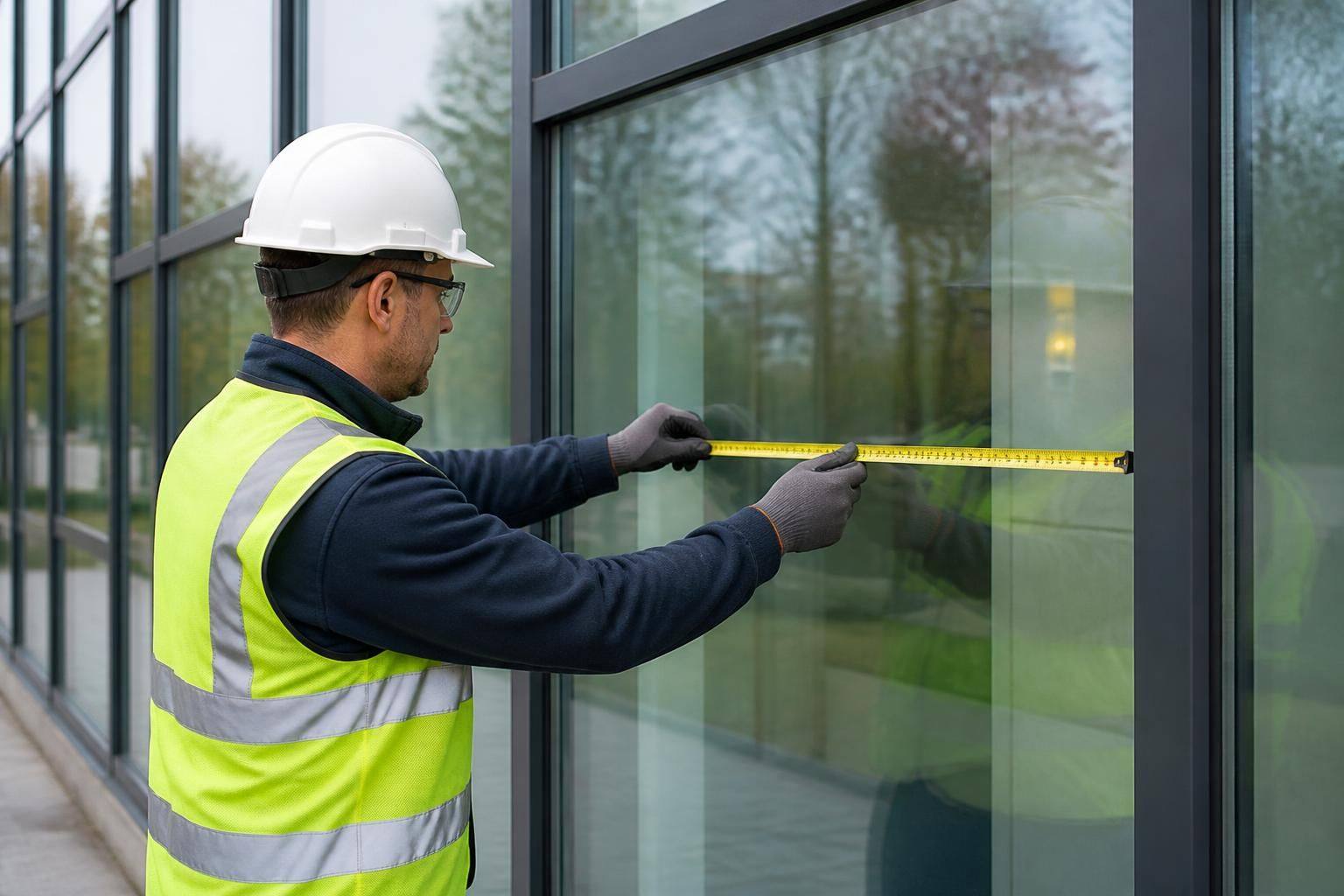
An initial inspection helps establish whether the problem is limited to the sealed glass unit or whether the surrounding frame, gaskets, beads or sealant also require attention. Misting, condensation between panes and a loss of insulation may indicate a failed sealed unit, while impact damage can affect the frame or adjacent panels. If further damage is identified once the glass is removed, additional preparation may be necessary before the new unit can be installed.
The glass specification can also affect the timescale. Commercial glazing may need to meet particular requirements for safety, security, solar control, thermal performance, acoustics or appearance. Toughened and laminated glass are manufactured to order in many configurations, and units with specialist coatings, unusual dimensions or non-standard shapes may require more planning than a commonly stocked specification. Accurate measurements are therefore important before an order is placed.
Access is another significant consideration. Ground-level shop fronts may be relatively straightforward to reach, whereas glazing above entrances, within curtain walling or behind internal fittings can require specialist equipment and careful site planning. The contractor may need to consider lifting routes, protection for floors and fixtures, pedestrian management and the safe handling of large or heavy panes. Restricted access does not necessarily prevent the work, but it can add preparation and installation stages.
Commercial premises often require coordination with several parties. Arrangements may need to be agreed with a property manager, facilities team, tenant or other contractors. Risk assessments, method statements, site rules and any required permits should be addressed before work begins. Where the glazing forms part of a larger façade or shop front, the repair may also need to be coordinated with the building’s maintenance schedule and access controls.
At the installation stage, the existing unit must be removed safely, the rebate inspected and prepared, and the replacement correctly positioned using suitable setting and sealing materials. The glazing must be aligned so that it operates properly within the frame and does not place undue stress on the glass. Finishing work, cleaning and an inspection of the completed installation form part of a properly controlled repair.
Unforeseen conditions can change an initial estimate. Corrosion, distorted framing, damaged beads, failed drainage paths or previous unsuitable repairs may only become apparent once the area is opened up. A responsible glazing contractor should explain any such finding before carrying out additional work, rather than treating the original estimate as fixed when the scope has changed.
For a useful indication of duration, a commercial customer should provide photographs, the property address, approximate pane dimensions, details of the damage and any access restrictions. A site survey is preferable where the glass is large, elevated, part of a curtain walling system or subject to specific performance requirements. GlassPlus UK assesses these practical and technical factors before recommending a repair or replacement, with work carried out in line with current building and safety regulations.
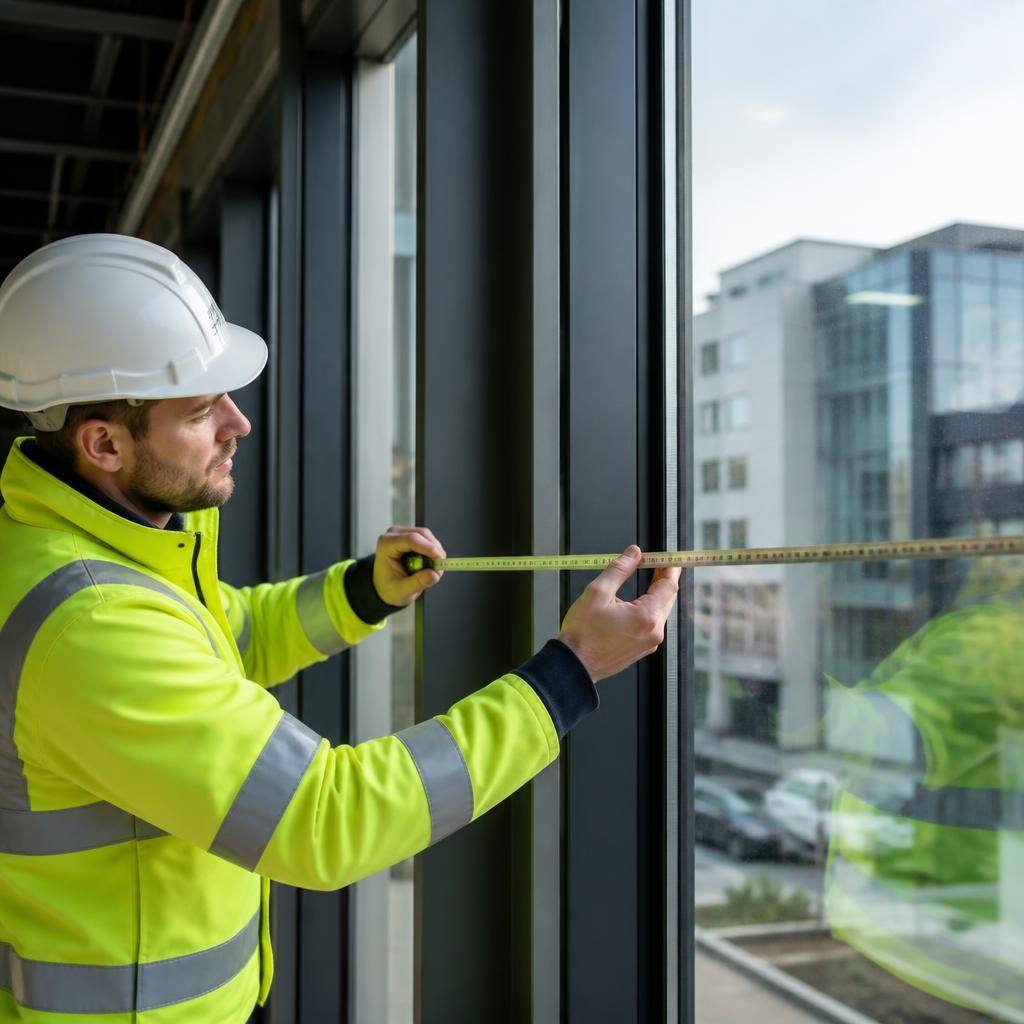
The time quoted for a commercial double glazing repair should distinguish between preparation, manufacture and installation. A replacement unit may be fitted in a relatively short visit once it has been made and the site is ready, but the overall timescale can be longer if the glass must be specially manufactured or approval is required before work proceeds.
GlassPlus UK provides a practical assessment of the work involved, helping commercial customers understand which stages affect the proposed schedule. This gives property managers and facilities teams clearer information when planning access, authorising the repair and arranging any related maintenance.