
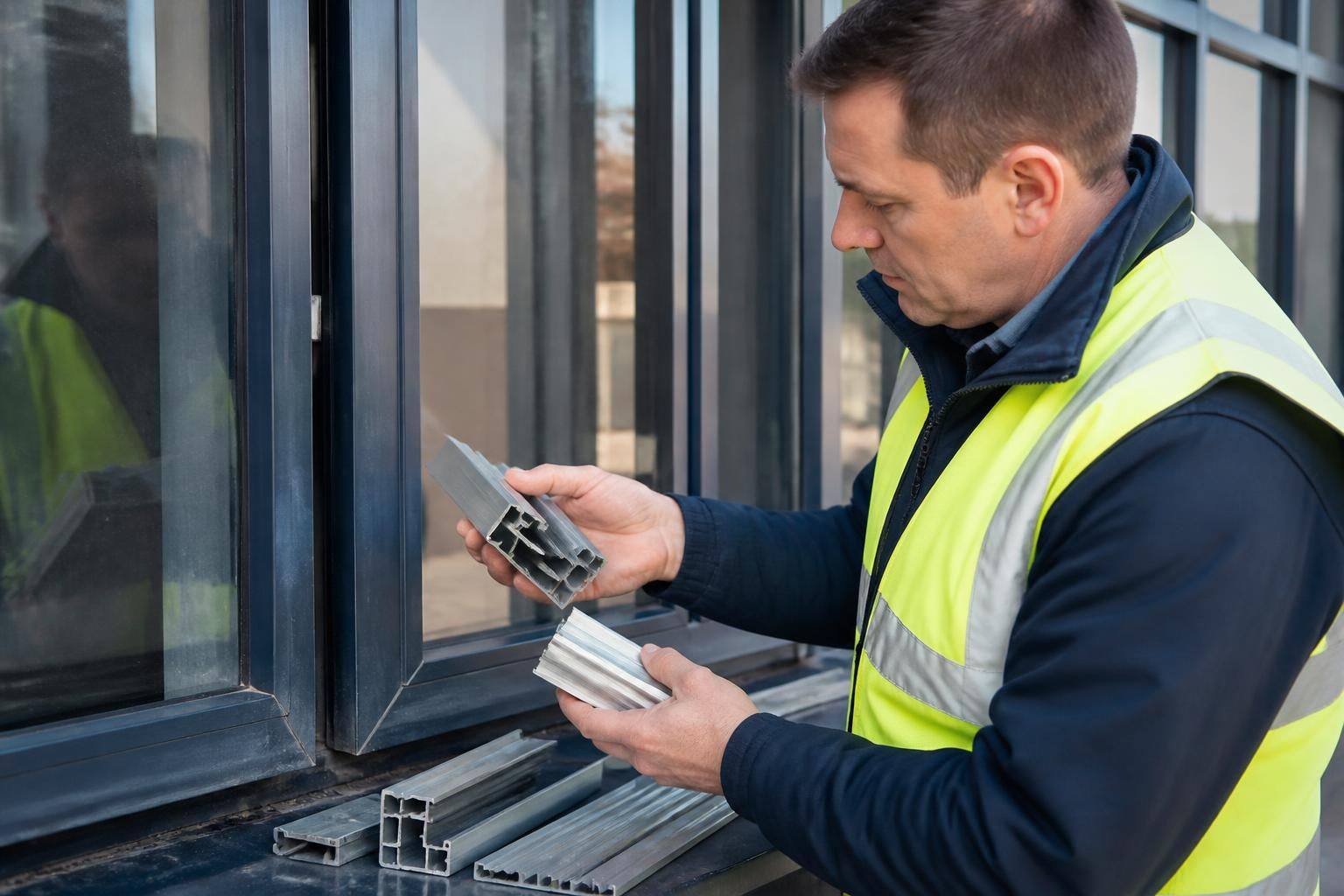
How are repair materials selected for commercial window frame repairs?
Repair materials are selected according to the existing frame construction, the type and extent of damage, and the performance required from the repaired window. Compatibility, durability, appearance and compliance with current building and safety regulations are considered before a suitable repair or replacement material is recommended.
Repair materials for commercial window frames are selected by identifying the frame system, locating the failed component and deciding whether the defect can be corrected locally or requires a replacement section. The aim is to restore the frame’s operation and weather resistance without introducing materials that could damage the surrounding glazing or structure.
Aluminium frames are commonly repaired using matching aluminium sections, replacement beads, corner components, brackets, screws and other system-specific fittings. Where a section is distorted, fractured or heavily corroded, the repairer considers whether a local insert is technically suitable or whether the affected section should be replaced. The profile, wall thickness and finish all need to be considered so that the new part sits correctly within the existing frame.
uPVC frames require a different approach. Repairs may involve replacement sections, glazing beads, reinforcement-related components, handles, hinges, locking parts or specially selected jointing materials. The internal arrangement of the frame matters, as a visible outer profile may conceal reinforcement or drainage paths that must not be obstructed. A material that looks similar but does not match the profile or fixing method can lead to poor operation and premature failure.
Timber frames, where present in a commercial property, are assessed for the condition of the surrounding wood as well as the immediate defect. Sound timber may allow a local repair using a suitable timber insert and repair compound, followed by preparation for the appropriate protective finish. Decayed or structurally weakened sections may require more extensive replacement rather than a surface treatment alone.
Sealants and gaskets are selected separately from the frame material. The repairer considers the joint being sealed, movement within the frame, exposure to weather and contact with adjacent materials. A glazing gasket, perimeter seal and external weather seal each perform a different function, so substituting one for another can affect drainage, air leakage and resistance to water penetration. The condition of the existing seals is also checked, since new material may not correct movement or distortion elsewhere in the frame.
Fixings are chosen according to the substrate and the loads placed on the repaired component. Stainless steel or coated fixings may be appropriate in exposed locations, while the length and type of fixing must suit the frame and surrounding construction. Care is taken to avoid galvanic reaction between dissimilar metals, particularly where aluminium and steel components meet. The repair method must also avoid weakening the frame or interfering with concealed drainage channels.
Where the damage is limited to a coating or surface, the selected treatment depends on whether the underlying frame remains sound. Light preparation and a compatible coating may be sufficient for a minor finish defect. Corrosion, deep scoring or damage around a joint may require removal of affected material and a more involved repair. The finished result should protect the repaired area while remaining consistent with the existing frame.
Material selection also takes account of the glazing arrangement. The frame must continue to support the glass correctly, retain beads and gaskets securely, and accommodate any movement allowed by the system. If the repair affects the rebate, setting blocks or glazing channel, these details are reviewed before work begins. This helps prevent pressure points or movement being transferred to the glass.
For occupied commercial premises, the proposed materials are considered alongside practical site requirements. The repairer may need to use components that can be installed with limited disturbance, sourced to match an existing system or prepared off site before access is arranged. Where an exact replacement profile is unavailable, the available options are assessed carefully rather than selecting a visually similar part without checking its function.
GlassPlus UK draws on more than 30 years of industry experience when assessing commercial window frame repairs. Each recommendation is based on the frame’s construction, the condition found on site and the role of the damaged component. If a repair would not provide a sound result, replacement of the relevant frame section or a wider window solution may be advised instead.
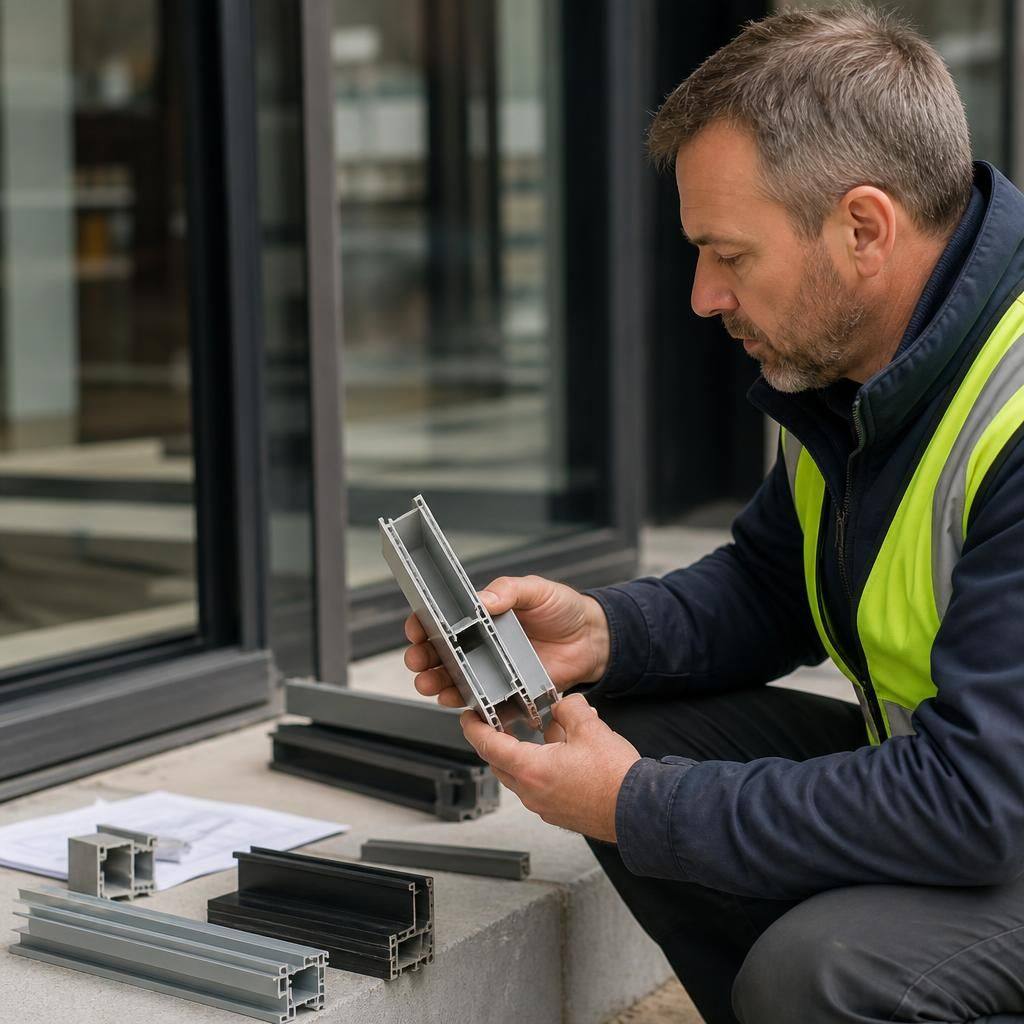
Repair materials are assessed alongside the way they will be installed. The available fixing space, joint tolerances and access to adjacent components can determine whether a proposed part is suitable in practice. This prevents a component that appears to match from being forced into place or fitted in a way that compromises the surrounding frame.
Where the repair affects a working joint, the installation sequence is also considered. Materials must allow the frame to be assembled correctly and any disturbed seals or finishing details to be reinstated without unnecessary disruption to the window system.
Discuss Your Commercial Window Frame Repair Requirements
For guidance on the most suitable repair materials for a commercial window frame, contact GlassPlus UK to discuss the damage and arrange an assessment. The team can advise whether a local repair or replacement section is appropriate for the existing system.