What damage can commercial window frame repairs address?
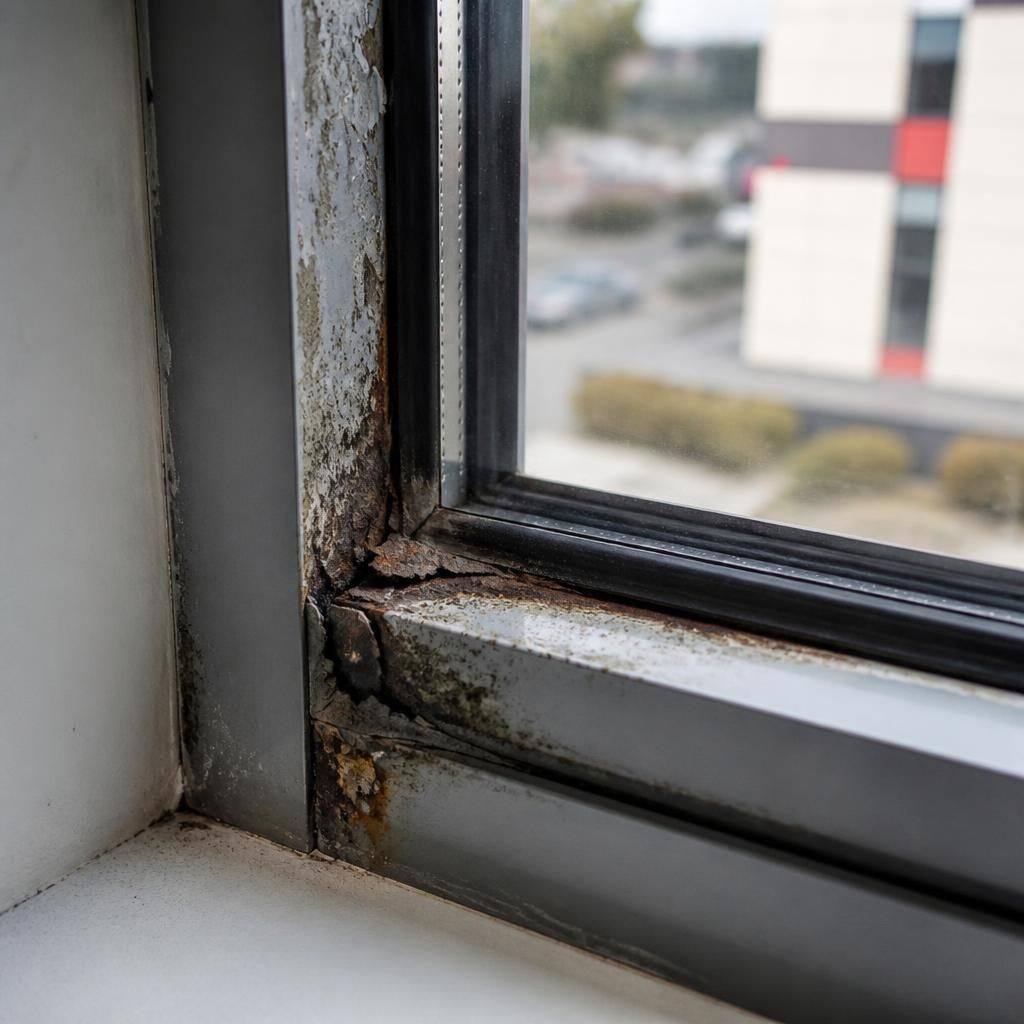
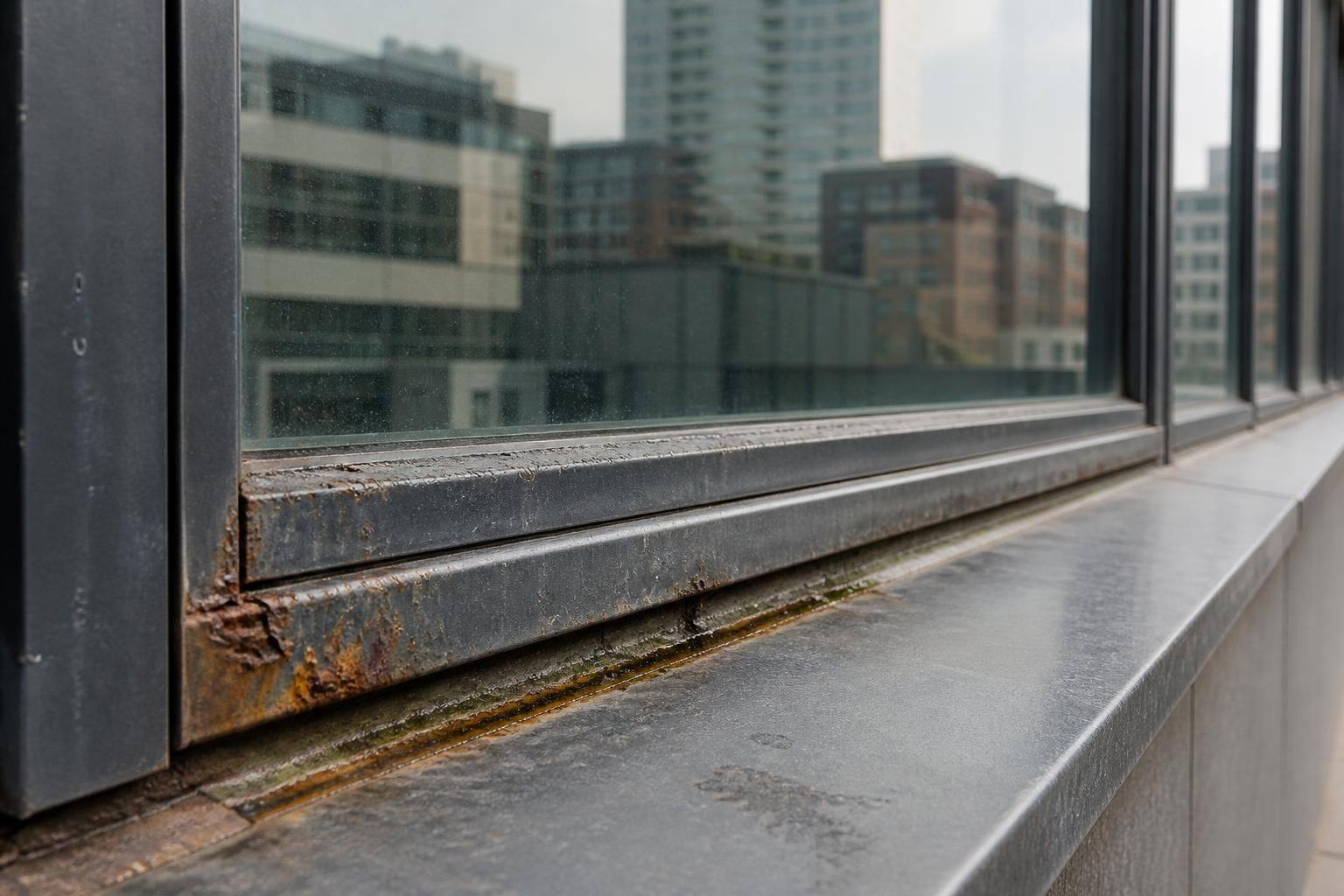
Commercial window frame repairs can address issues such as damaged or distorted frame sections, deteriorated seals, corrosion, failed joints and faulty hardware. The appropriate repair depends on the frame’s material, the extent of the damage and whether the surrounding structure remains sound.
Commercial window frame repairs can address both visible deterioration and faults that affect how a window operates, seals the building or transfers loads to the surrounding structure. The suitable remedy depends on the frame design, the cause of the defect and the condition of the adjacent building fabric.
Typical problems that may be repairable include:
- Water ingress around the frame: Failed drainage paths, open perimeter interfaces and gaps between the frame and the substrate can allow rainwater to enter. Repairs may involve clearing or reinstating drainage arrangements and correcting the affected interfaces.
- Loose or poorly aligned window elements: Movement can cause sashes, vents or opening sections to bind, sit unevenly or fail to close correctly. Local adjustment, repositioning or repair of the supporting frame may restore proper alignment where the main structure remains suitable.
- Damaged fixings and connection points: Loose, missing or deteriorated fixings can reduce the stability of a frame section. These defects require careful assessment so that replacement or reinforcement work is compatible with the existing system and the surrounding structure.
- Surface deterioration: Scratches, local impact marks, flaking finishes and other surface defects may affect appearance and leave the underlying material more vulnerable. Local treatment can sometimes be used where deterioration has not spread into the frame’s main section.
- Loss of movement allowance: Commercial frames expand and contract as temperatures change. If movement joints or interfaces have become restricted, stress can develop around the frame. Repair work may address the affected connection or interface rather than treating the visible symptom alone.
- Defects at the sill and head: Damage or deterioration at the lower and upper parts of a window can affect drainage, weather resistance and the connection to the building envelope. These areas often need inspection alongside the adjacent masonry, cladding or internal finishes.
Not every fault calls for a complete frame replacement. A local repair may be appropriate when the affected area is limited and the remaining frame, fixings and substrate are structurally sound. This approach can reduce disruption to a commercial property while preserving compatible existing components.
Replacement or more extensive remedial work may be necessary where the frame has suffered widespread deformation, the supporting substrate has failed, or the defect has affected the frame’s structural performance. In such cases, repairing only the visible area may leave the underlying problem unresolved. The assessment should therefore consider the frame, its connections, the surrounding opening and any associated glazing together.
For occupied shops, offices and other commercial premises, the investigation should also take account of access, protection of internal areas and the need to maintain a safe working environment. Any proposed repair must be suitable for the frame material and comply with current building and safety regulations. GlassPlus UK applies its commercial glazing experience to identifying the source of the damage and distinguishing a practical frame repair from a case where replacement is the more appropriate long-term solution.
Some frame damage affects the way the glazing is retained rather than appearing as obvious distortion. Damaged glazing beads, pressure plates or rebate sections can leave the glass insufficiently supported, create movement or place uneven pressure on the pane. Where the main frame remains suitable, targeted repair or replacement of the affected retaining components may restore the intended relationship between the frame and glazing.
This type of defect should be investigated carefully, as forcing the glazing back into position can conceal the underlying problem. The repair must be compatible with the existing frame system and should maintain the window’s safe operation and weather-resistant construction.