
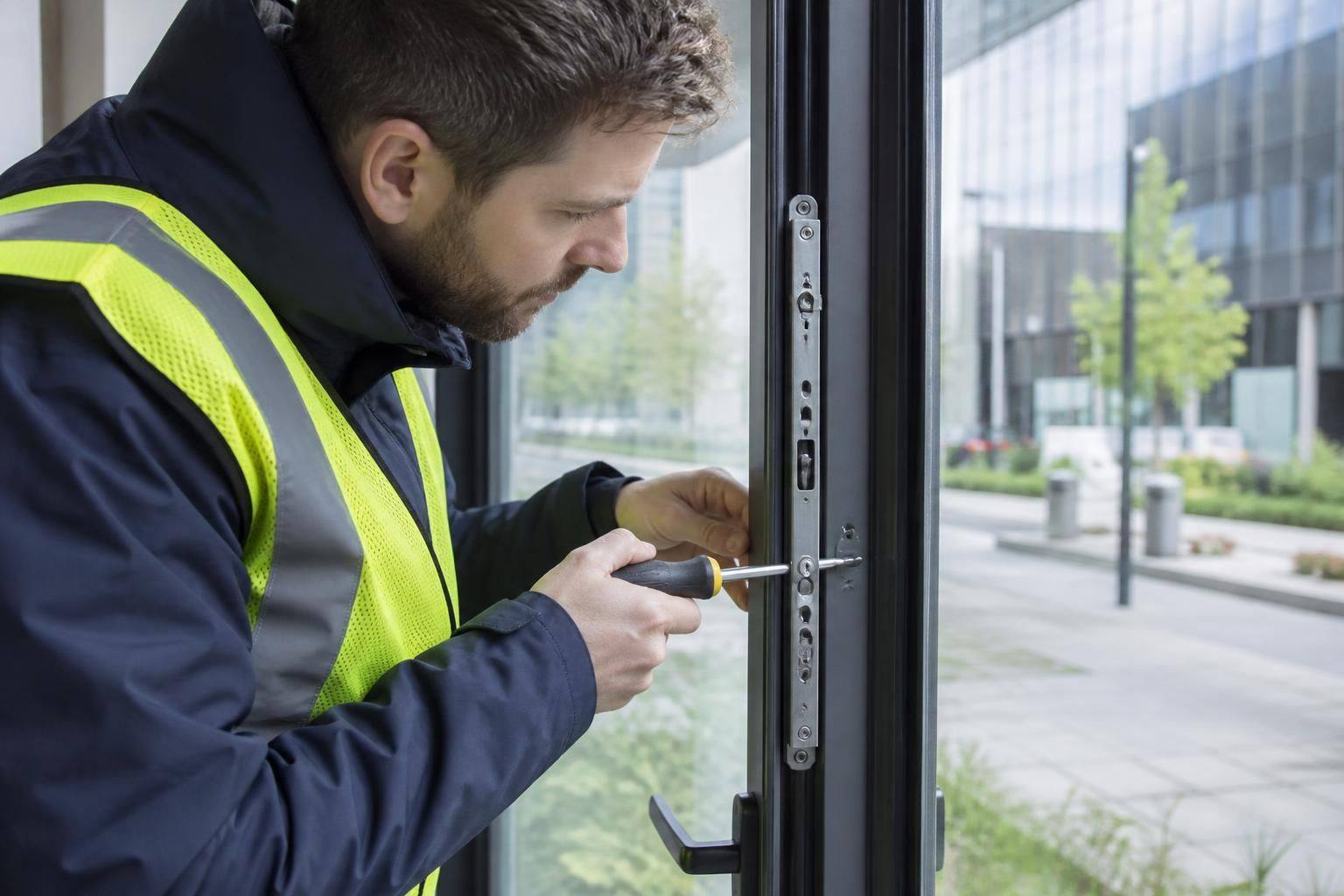
How are commercial window hardware repair timescales established?
Commercial window hardware repair timescales are established after assessing the fault, the condition of the surrounding window and the access required. The availability of suitable replacement parts and the complexity of the repair are then considered before a practical timescale is confirmed.
Commercial window hardware repair timescales are confirmed once the required work, suitable parts and practical arrangements are understood. A straightforward repair using compatible parts may be planned relatively easily, while a job involving concealed damage, specialist hardware or difficult access requires more preparation before a reliable date can be given.
The process normally begins with information about the fault. Details such as the type of window, the affected hardware, how the fault developed and whether the window can still be operated help establish the likely scope of work. Photographs, previous maintenance information and details of the building can also help reduce uncertainty before a site visit.
During the inspection, the condition of the hardware and its connection to the window are checked. The glazing, frame, seals and surrounding structure may also need to be considered where they affect the repair. This helps determine whether the work involves adjustment, cleaning and lubrication, replacement of an individual component or a more involved repair to the operating mechanism.
Parts availability is a significant factor. Common replacement components may be easier to source, whereas older, discontinued or less typical hardware can require further identification and sourcing. The repair cannot be scheduled accurately until the proposed part is known to be suitable for the window and compatible with the existing system. Where an exact replacement is unavailable, an appropriate alternative may need to be assessed rather than selected solely on appearance.
Access arrangements are included in the planning. Internal access, restricted working areas, high-level windows, occupied offices and areas requiring protection can all affect how the work is organised. If equipment or additional precautions are needed, these requirements are considered before a date is confirmed. For commercial premises, coordination with the building manager, facilities team or other contractors may also be necessary.
The condition and use of the building can influence the sequence of the work. Repairs affecting ventilation, security, weather resistance or safe operation may be prioritised within the works plan. Where several windows are involved, the work may be arranged in stages so that suitable areas remain available for the building’s users and the contractor can work in a controlled manner.
A practical timescale is therefore based on:
- the complexity and location of the fault;
- whether the hardware can be adjusted or must be replaced;
- the identification and availability of suitable parts;
- the access, protection and safety arrangements required;
- the number of windows or openings included in the work; and
- the coordination needed with the person responsible for the premises.
An initial indication may be revised if further damage is found once the window is opened or dismantled. Concealed corrosion, worn fixings, damage to the frame or related glazing problems can change the work required. In such circumstances, the revised scope should be explained before additional work is undertaken.
Once the requirements are clear, GlassPlus UK can set out the proposed repair, any parts to be obtained, the access arrangements and the expected sequence of work. This gives the client a more useful timescale than a fixed estimate based only on the original description of the fault, while allowing the repair to be planned in accordance with current building and safety requirements.
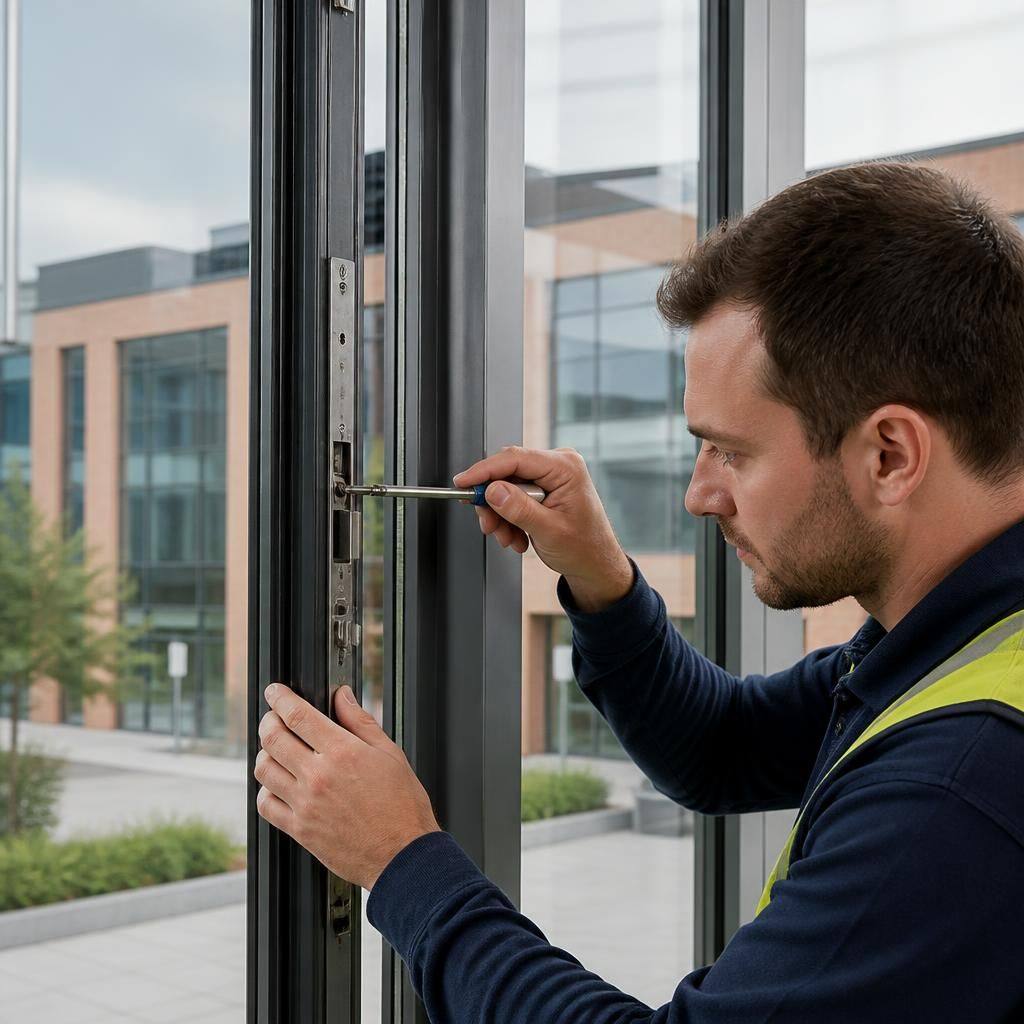
The time allowed for a commercial window hardware repair should include functional testing, not just the fitting of a component. Once the work is complete, the window may be operated to check alignment, locking points, secure closure and ease of use. This final assessment helps confirm that the repair has resolved the reported fault and that the opening is suitable for normal use.
Allowing for these checks gives the client a more realistic understanding of the work involved. If testing identifies a related issue, the findings can be recorded and discussed before the repair is considered complete.
Discuss your commercial window hardware repair timescales
Businesses requiring a clearer repair timescale can contact GlassPlus UK to discuss the fault, site conditions and any relevant access requirements. The information provided will help establish the appropriate next steps for the commercial window hardware repair.