
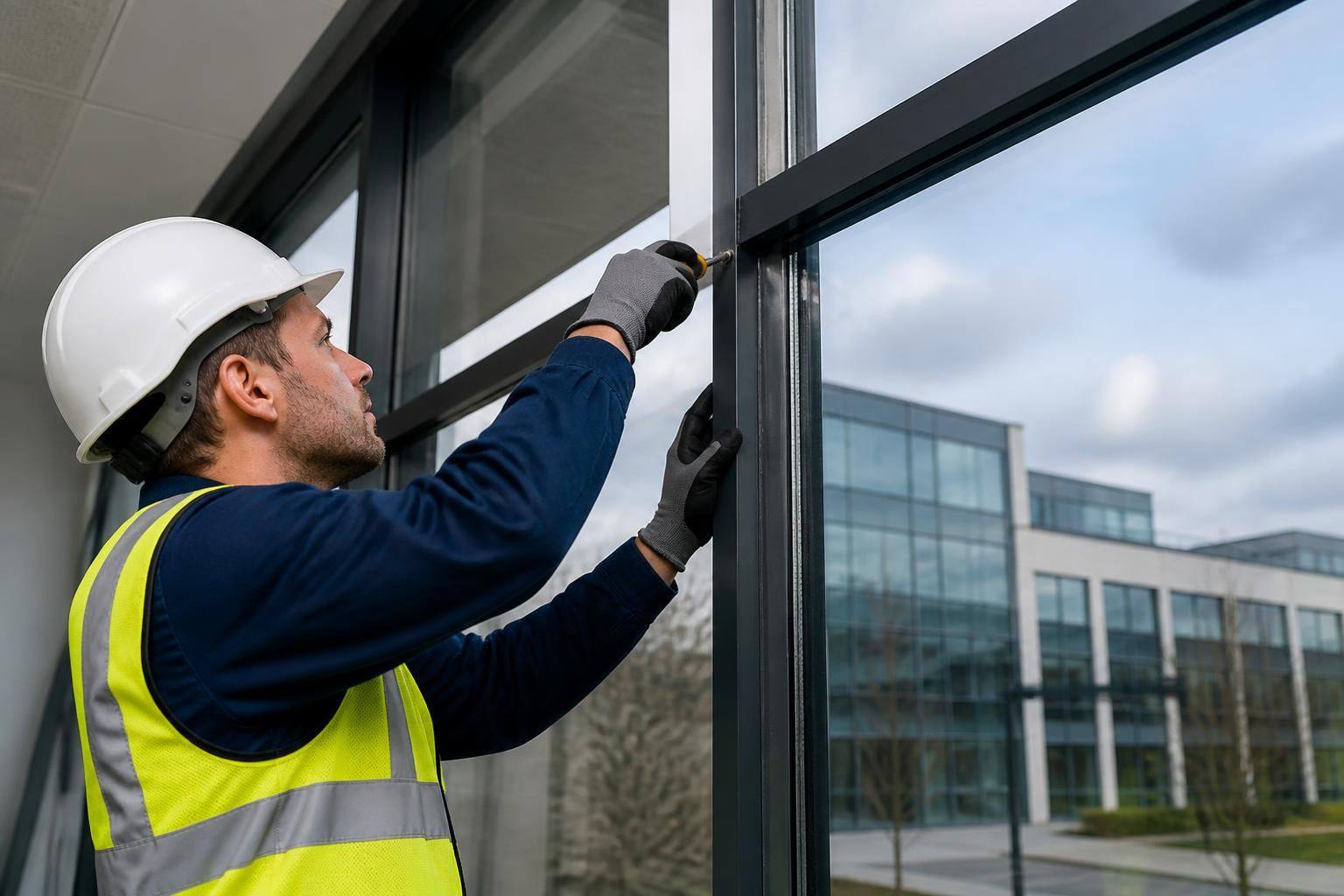
Reliable Commercial Window Maintenance
Commercial window maintenance helps businesses identify wear, glazing defects and operational issues before they develop into more disruptive repairs. GlassPlus UK assesses existing window systems and provides practical maintenance, repair or replacement advice for shops, offices and other commercial properties.
Practical Benefits of Commercial Window Maintenance
Planned attention to windows can limit disruption to staff, visitors and customers by addressing minor concerns before they affect daily operations. It also supports safer, more secure premises where damaged fittings, weak seals or difficult operation require review.
Careful maintenance preserves a professional external appearance and protects the building fabric. Recommendations are tailored to commercial settings, usage and operational requirements.
Earlier Issue Detection
Regular checks can identify worn components, glazing defects and operational concerns before they require more involved attention.
Safer Premises
Reviewing damaged glass, fittings and seals supports safer conditions for employees, visitors and customers.
Less Operational Interruption
Addressing maintenance concerns in a planned way can help limit disturbance to normal commercial activities.
Professional Appearance
Well-maintained windows help preserve the clean, presentable appearance expected of commercial premises.
Improved Security
Checking window condition and operation helps identify weaknesses that may affect the security of a business property.
Commercially Suitable Advice
Recommendations are considered in relation to the building, its daily use and the practical requirements of the business.
Commercial Window Maintenance: Common Questions
How can businesses minimise disruption during commercial window maintenance?
Businesses can prepare by identifying affected windows, clearing access routes, sharing site restrictions, and providing relevant maintenance records. This allows glazing specialists to assess conditions efficiently and plan suitable work.
When should commercial windows receive planned maintenance?
Planned maintenance is appropriate when inspections identify wear, recurring faults, water ingress, damaged seals or deteriorating frames. Early assessment helps prioritise remedial work before defects compromise safety, security or operation.
How long does commercial window maintenance typically take?
Timescales depend on window numbers, access arrangements, system complexity and whether repairs or replacement is required. A site assessment establishes practical sequencing, helping businesses coordinate occupants and associated trades effectively.
What does a commercial window maintenance inspection involve?
An inspection reviews glazing, frames, seals, hardware, fixings and surrounding areas, noting defects, operational issues and access considerations. Findings inform prioritised recommendations, with photographic records where useful for site reference.
Is commercial window maintenance suitable for all types of glazing systems?
Maintenance can suit many commercial glazing systems, but methods vary by construction, age and condition. A specialist assessment confirms compatible access, materials and remedial techniques before work begins on site.
Proven Expertise
GlassPlus UK applies established commercial glazing expertise, assessing window condition carefully and specifying practical maintenance measures suited to property’s needs.
A Clear, Accountable Maintenance Process
From the initial enquiry, GlassPlus UK establishes the nature of the maintenance requirement and the priorities of the building. Relevant observations are explained in clear terms, so responsible managers can understand the condition of the windows and the reasons behind any recommended action.
Work is approached with care for occupied commercial premises. The team considers access, surrounding finishes and the need to keep agreed arrangements clear, helping site contacts plan around the work. Technical decisions remain grounded in the existing window system and its intended use.
Before completion, completed work is reviewed against the agreed requirements, with attention to finish, operation and the surrounding area. Any relevant points are discussed with the client, providing a clear record of what has been addressed and whether further attention should be considered.