
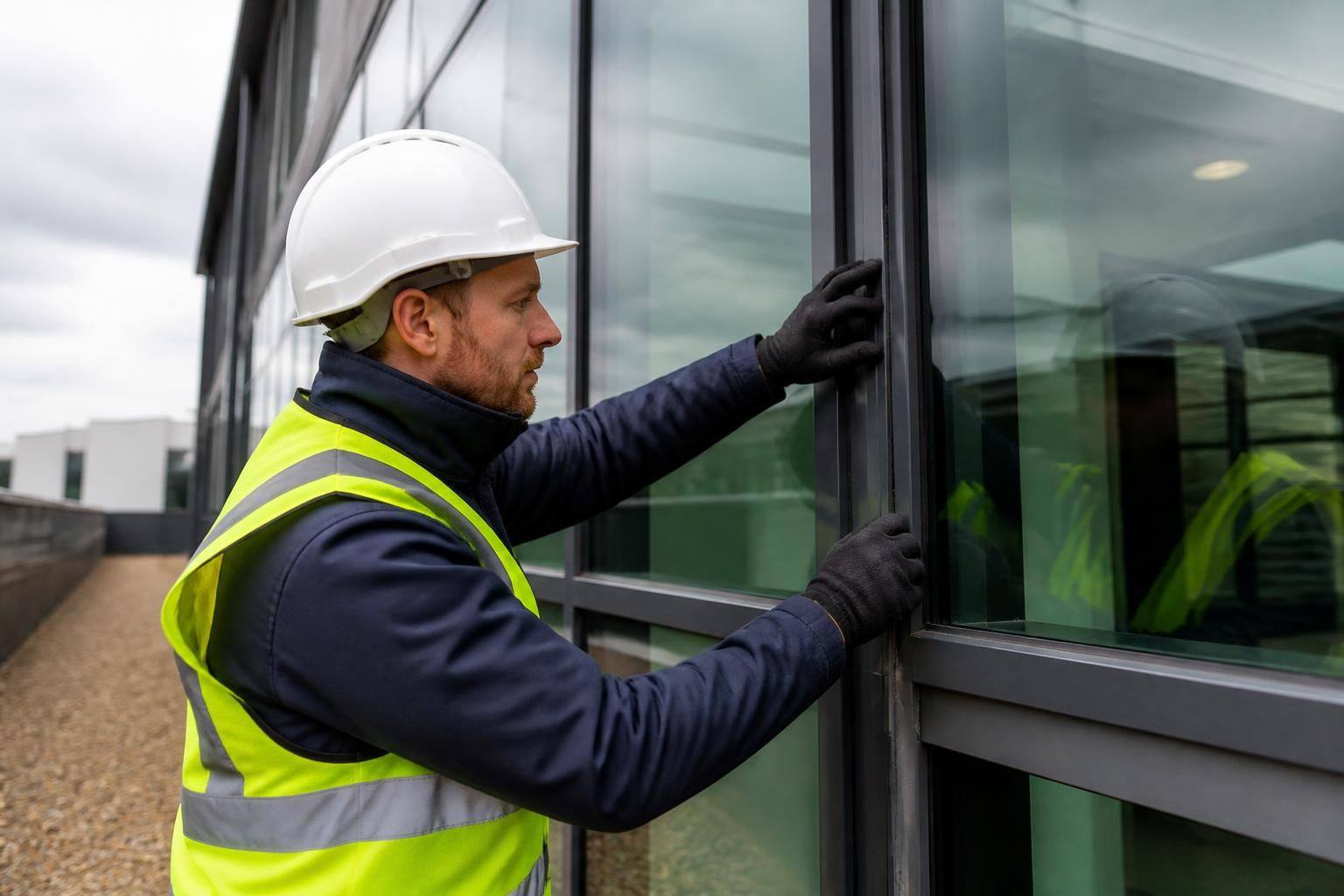
Is commercial window maintenance suitable for all types of glazing systems?
Commercial window maintenance can be suitable for most glazing systems, including curtain walling, shop fronts and commercial windows, but the appropriate approach depends on the system’s design, materials, condition and access requirements. A professional inspection should establish which checks and remedial work are suitable.
Commercial window maintenance is suitable for most glazing systems, but the inspection and maintenance method must be adapted to the system’s construction, materials, condition and intended performance. A routine approach that is appropriate for a simple framed window may not be suitable for curtain walling, structural glazing or a specialist fire-rated installation.
Maintenance can generally be applied to the main elements of a commercial glazing installation, including:
- Glass panes, including single glazing and sealed insulating units
- Aluminium, steel, timber or uPVC frames
- Gaskets, seals, beads and weathering joints
- Opening lights, hinges, handles, stays and locking hardware
- Drainage channels, pressure plates, caps and perimeter interfaces
- Sealant joints connecting the glazing system to the surrounding building
The purpose is not limited to cleaning. A properly planned maintenance inspection looks for deterioration, water ingress, failed seals, loose or damaged components, corrosion, difficult operation and movement around the frame. Identifying these issues early can help establish whether the system requires adjustment, localised repair, resealing or replacement of a damaged component.
Curtain walling requires particular attention to its mullions, transoms, pressure plates, cover caps, drainage paths and panel interfaces. Water that is not draining correctly may indicate a blocked route, damaged seal or problem at a connection between components. Access arrangements also need to be considered because some parts of a curtain walling installation may be difficult to reach safely from inside the building.
Shop fronts and commercial entrance glazing are often exposed to frequent use and accidental impact. Maintenance may therefore include checking the alignment of opening sections, the condition of safety glass, frame joints, locks and perimeter seals. Where glass is cracked, badly chipped or otherwise compromised, maintenance will not make it safe; the appropriate solution may be a controlled glass replacement.
Sealed insulating glass units can be inspected for cracked panes, damaged edge seals and signs of moisture or misting between the panes. A failed sealed unit normally requires replacement rather than treatment to the existing glass. The replacement specification must be compatible with the frame, glazing method, safety requirements and the performance expected from the building envelope.
Laminated, toughened and other safety glazing also needs careful assessment. Damage may not always be obvious from a distance, and a pane that has suffered an impact or developed a significant defect may need to be replaced with glass of the correct type and thickness. Substituting a different glass specification without checking the system can affect safety, fit and compliance.
Some installations need a more specialised assessment before maintenance begins. This may include structural glazing, fire-resisting glazing, high-level glazing, older systems with limited replacement parts or installations that have been altered since the original construction. In these cases, the inspection should consider the original design, available documentation, fixing method and any performance requirements that must be preserved.
Maintenance is also less straightforward where the glazing is affected by movement in the surrounding structure, persistent water penetration or deterioration of adjacent materials. The visible defect may not be the original cause, so the inspection should distinguish between a glazing fault and a wider building-envelope issue. Replacing sealant alone, for example, may not resolve a problem caused by failed drainage or movement at the frame interface.
A suitable maintenance plan will usually define:
- The glazing systems and elevations to be inspected
- The condition checks required for glass, frames, seals and hardware
- Any access equipment, exclusion zones or protection needed
- Which defects can be repaired and which require replacement
- Whether remedial work could affect weather-tightness, safety or thermal performance
- Any records, specifications or specialist approvals needed before work proceeds
Where a system is in serviceable condition, planned maintenance can help manage minor defects and keep operational components working correctly. Where the installation has suffered impact damage, advanced corrosion, failed units or significant seal deterioration, the correct outcome may instead be targeted repair or replacement. The suitability of maintenance therefore depends less on the name of the glazing system than on its construction, current condition and the risks associated with leaving defects unresolved.
GlassPlus UK assesses commercial glazing with these factors in mind, using the findings to distinguish routine maintenance from work requiring a more specific repair or replacement solution. This approach helps ensure that recommendations are appropriate to the installation and consistent with current building and safety requirements.
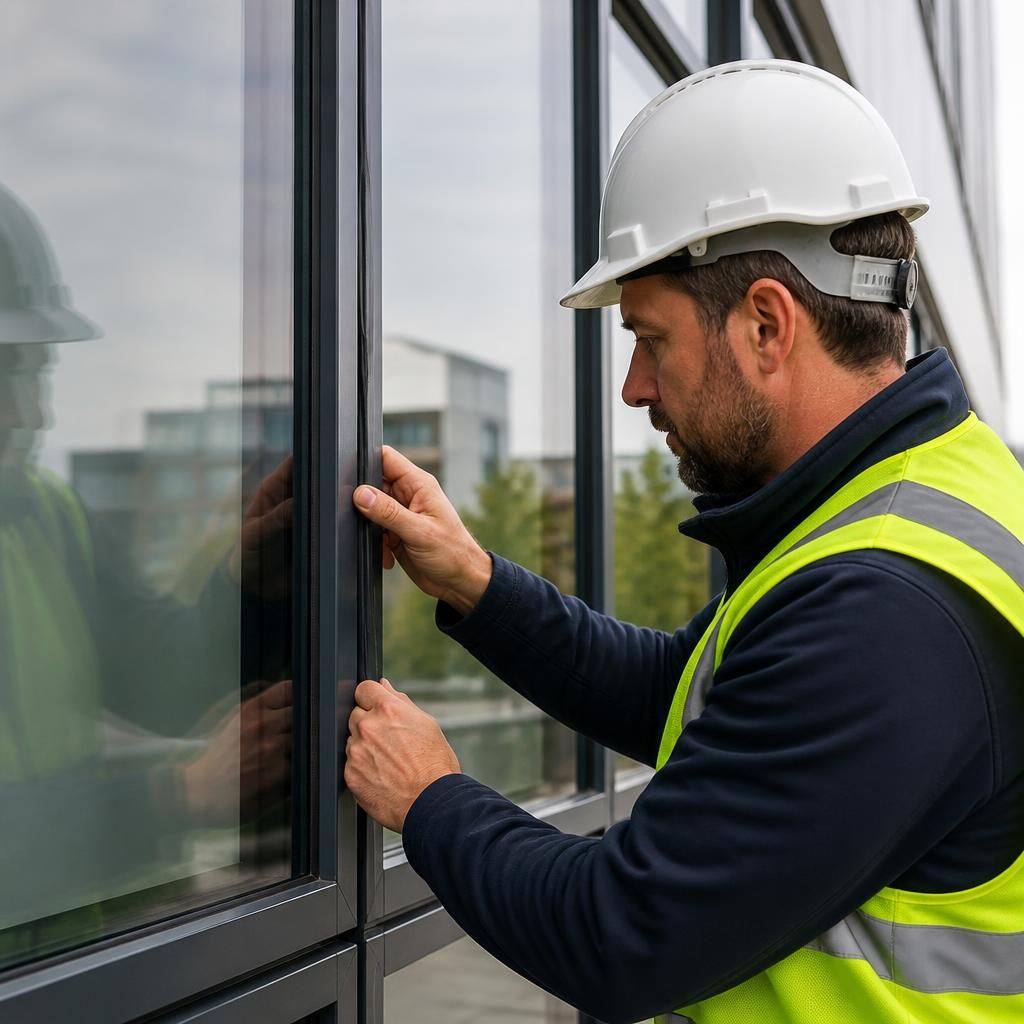
For less common or older glazing systems, maintenance is most effective when supported by the available installation records and previous repair information. Details such as the original framing arrangement, glass specification, sealant type and replacement components can help identify work that is compatible with the existing system.
Inspection findings should also be recorded clearly, including the location of defects, their apparent cause and any remedial work completed. This creates a useful reference for future inspections and can highlight recurring problems that need a more substantial solution than routine maintenance.