
How are replacement panes matched to existing commercial window systems?
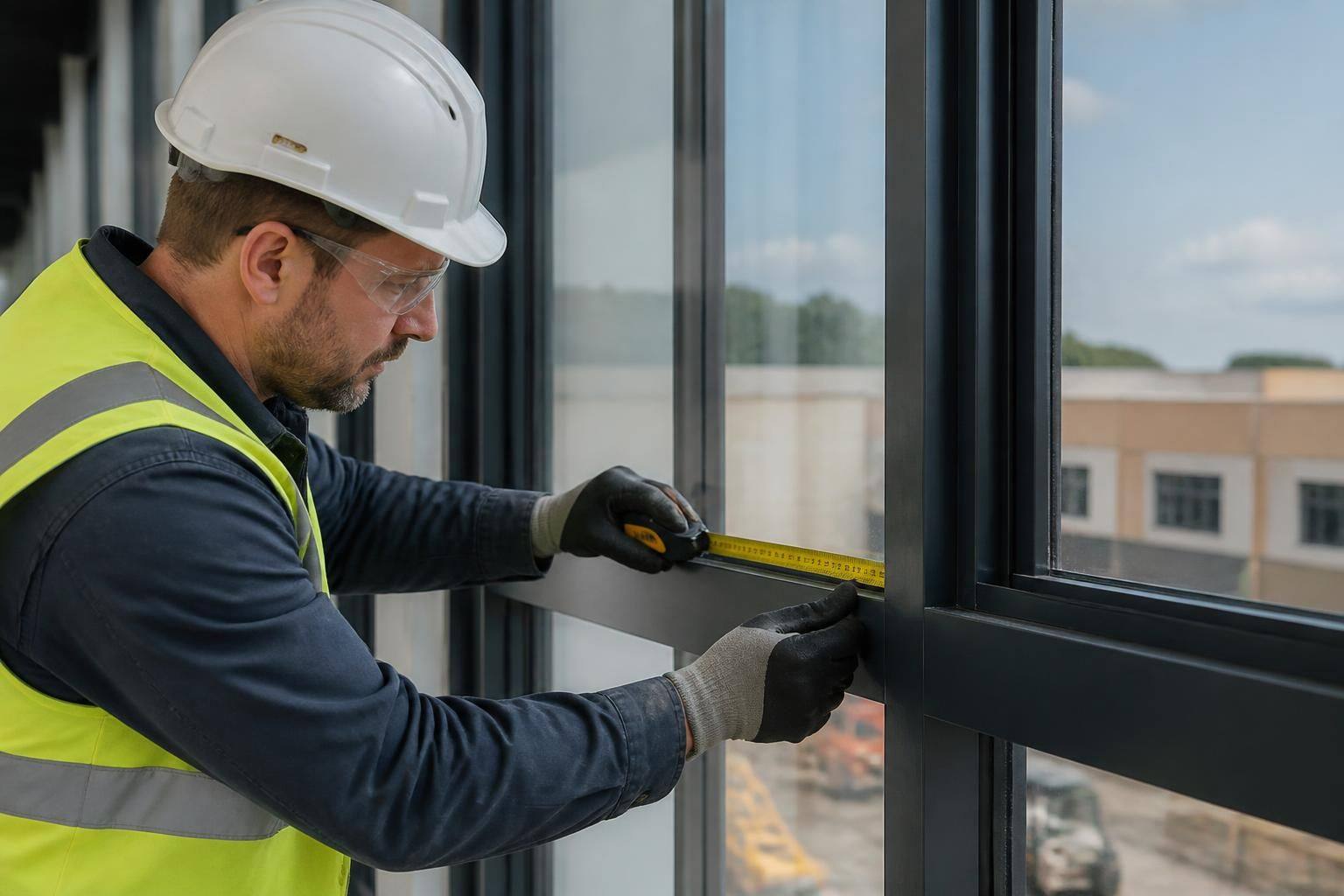
Replacement panes are matched by assessing the existing window system’s dimensions, glass specification, thickness, colour, coatings and edge details. The replacement is then selected to provide a precise fit, consistent appearance and suitable performance within the original commercial frame.
Replacement panes are matched through a system-led assessment, not by selecting a sheet of glass based on appearance alone. The existing commercial window assembly is reviewed as a complete unit so that the new pane is compatible with the frame, glazing method, seals and required performance.
Where available, drawings, maintenance records, previous specifications or markings on the original installation can help identify the window system. This information is checked against the pane and frame found on site. If records are unavailable, the glazing arrangement and surrounding components provide important evidence about how the replacement should be manufactured and installed.
The survey also considers the way the pane is retained. Beads, gaskets, sealants, setting blocks and the depth of the glazing pocket can all affect compatibility. A pane may appear to fit the opening but still be unsuitable if it does not work correctly with the original retention system or leaves inadequate room for movement and sealing.
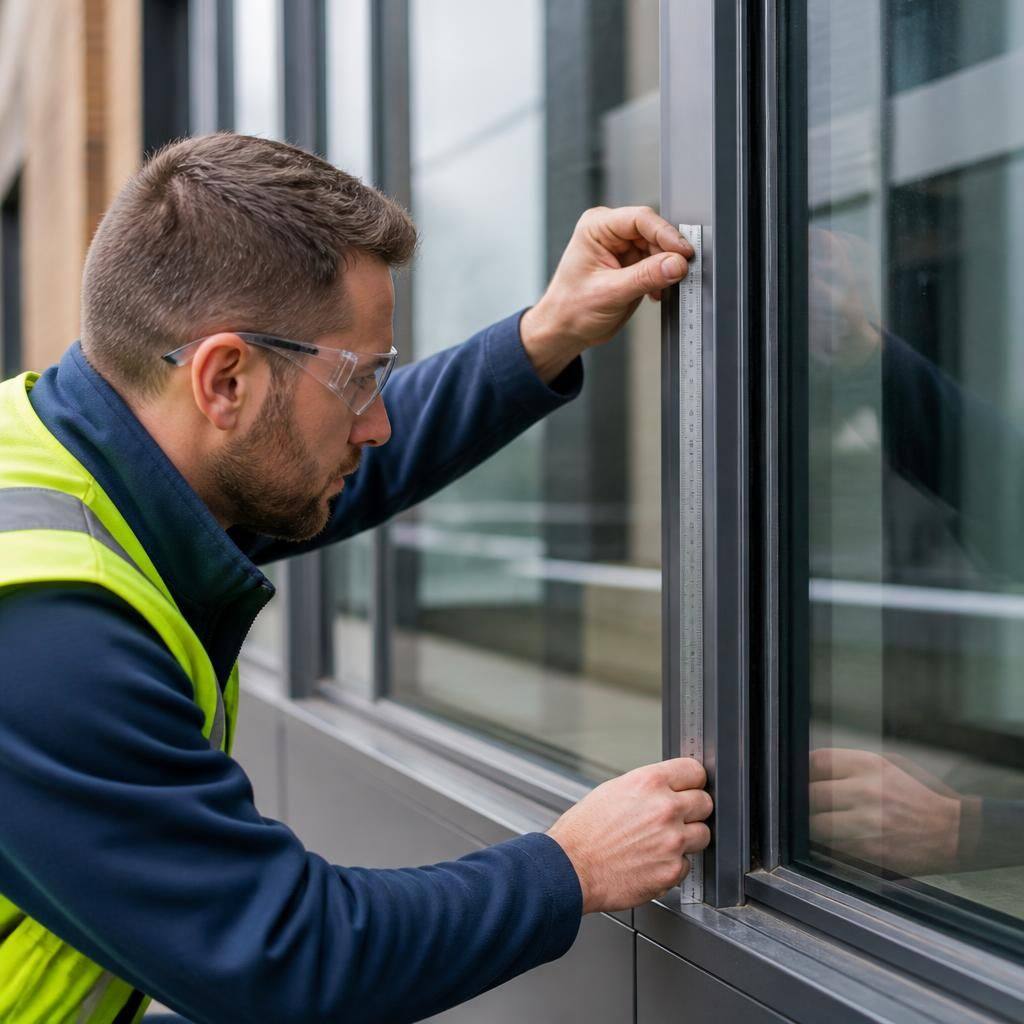
Existing commercial glazing can change over time. Seals may harden, frames may move slightly and earlier repairs may not follow the original specification. For that reason, measurements are checked against the frame and glazing rebate rather than relying solely on the dimensions of the removed pane. The condition of the surrounding system is also considered before a replacement is approved.
Matching is not limited to visible appearance. The replacement may need to reproduce the functional characteristics required by the building, such as safety performance, insulation, solar control, acoustic performance or fire-related properties where these form part of the original design. The appropriate specification depends on the location of the pane, the use of the space and the requirements of the window system.
Appearance is assessed in context. Reflections, ageing, weathering and differences between panes manufactured at different times can affect how closely new glass appears to match adjacent areas. Where visual consistency is important, the proposed specification can be considered alongside neighbouring panes before manufacture, particularly on prominent shop fronts and glazed elevations.
Before installation, the selected pane should be checked against the recorded requirements and the components needed to secure it. During fitting, the glazing support, seals and drainage arrangements must be preserved or reinstated correctly. The pane should sit evenly within the frame, with suitable clearance and no contact that could create stress during normal movement.
Completion checks normally include:
- confirming that the pane is positioned correctly within the original system;
- checking that beads, gaskets and sealants are properly seated;
- examining the glass and surrounding frame for damage or visible defects;
- checking that opening sections, where present, operate without fouling the replacement;
- reviewing the finished installation for a consistent appearance and effective weather sealing.
This approach helps distinguish a genuine system-compatible replacement from a pane that merely fills the opening. Glass Plus UK applies its commercial glazing experience to the assessment, specification and installation process, with work carried out in line with current building and safety regulations.
A clear matching record helps prevent assumptions when several commercial window systems are present within the same building. The survey can identify each opening, record the relevant glass build-up and finish, and note any differences between original and previously repaired sections. Photographs and measurements provide a reference for checking the proposed pane before it is ordered.
This information also gives the installation team a practical guide when the work is carried out. It helps ensure that the replacement is assigned to the correct opening and that the specified glass is considered alongside the existing retention and sealing arrangement. For larger premises or phased repairs, a consistent record supports accurate coordination between the survey, manufacture and fitting stages.
Discuss replacement panes for existing commercial window systems
Businesses assessing a replacement pane can contact Glass Plus UK to discuss the existing window system, available records and any known performance requirements. This provides a clear basis for reviewing the appropriate repair or replacement specification.