
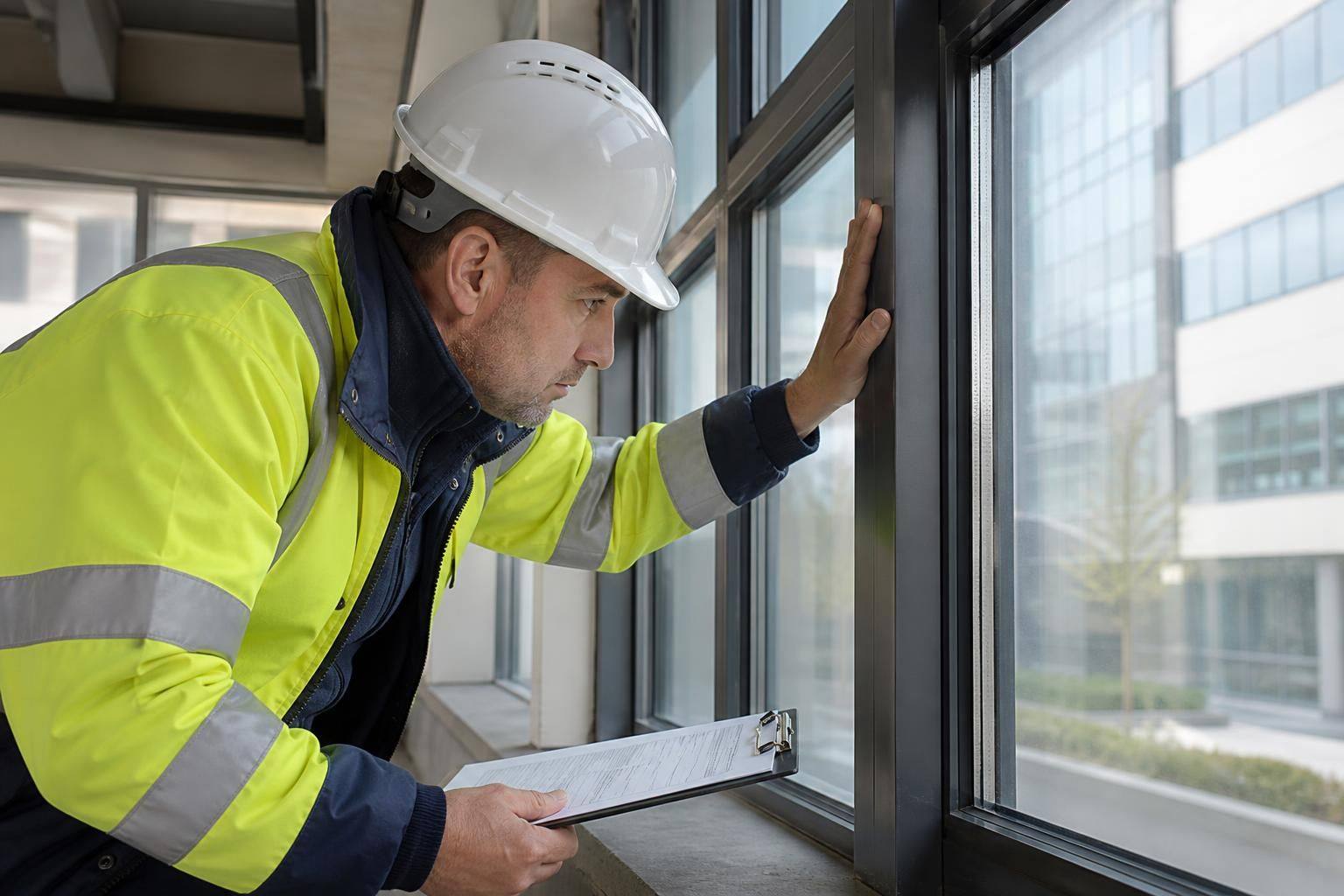
How is the quality of a commercial window repair checked before completion?
The quality of a commercial window repair is checked through a final inspection of the glass, frame, seals, fixings and surrounding finish. The completed window is also assessed for safe operation, secure installation, correct alignment and compliance with applicable building and safety requirements before the work is considered complete.
A commercial window repair should pass a staged quality check before the work is signed off. This involves comparing the completed repair with the agreed scope, examining the workmanship in detail, testing any affected components and reviewing the finished area from both inside and outside where access allows.
The first check is normally a comparison with the repair requirements. The installer confirms that the correct opening has been worked on and that the agreed repair or replacement has been completed without unnecessary alteration to adjacent parts of the building. For commercial premises, this also helps ensure that the finished work is consistent with the appearance and practical requirements of the surrounding window system.
The glazing itself is examined under suitable lighting for visible defects such as scratches, chips, cracks, edge damage, marks or signs of handling. The view through the pane is considered as well, particularly where the window forms part of a shop front, office elevation or other area where clear presentation matters. Any protective film, labels or installation residue should be removed as part of the finishing process, unless it has been left temporarily for a specific reason.
Workmanship around the repaired area is then reviewed closely. The inspection looks for uneven finishing, open joints, excess compound, disturbed trims, damaged gaskets or visible gaps at the interface between the new work and the existing installation. The surrounding frame, cill, reveals and internal finishes are checked for marks or damage caused during access and removal. Where remedial cleaning is needed, it should be completed before the area is presented for approval.
Any components affected by the repair are operated carefully. Depending on the window type, this can include the handle, lock, hinge, restrictor or other hardware. The purpose is to confirm that the repaired window functions as intended without unusual resistance, movement or noise. If a component was not part of the repair but prevents proper operation, this should be recorded rather than concealed by forcing the window or adjusting unrelated parts without agreement.
The inspection should also consider the conditions around the installation. Visible routes that could allow draughts or water entry are checked, along with the condition of adjacent materials and any signs that the repair has affected the wider assembly. Where the design or site conditions require additional checks, these may include controlled operation, close visual examination from different angles or a review after cleaning.
A robust completion check commonly includes:
- confirming that the agreed repair has been carried out in the correct location;
- checking the glass for visible damage, contamination and unacceptable distortion;
- reviewing the finish of joints, trims and surrounding surfaces;
- operating affected windows and hardware carefully;
- checking that the work has not caused avoidable damage to nearby finishes;
- recording any outstanding item that needs correction before handover.
For commercial clients, the final stage is often a practical handover. The completed area can be shown to the responsible facilities manager, property manager or other nominated representative, with any relevant care instructions explained. If a defect is identified during this review, completion should be held back until it has been assessed and dealt with, or clearly recorded as an agreed outstanding item.
Photographs, site notes and details of the work completed can provide a useful record for property files, especially where the building is managed by more than one department or occupier. These records help distinguish the repaired condition from later damage and support future maintenance decisions.
Quality is therefore judged by more than whether a new pane is visibly in place. The repair should match the agreed requirement, be finished cleanly, function properly and leave the surrounding commercial property ready for normal use. A careful inspection before sign-off gives the client an opportunity to raise concerns while the work remains accessible and straightforward to correct.
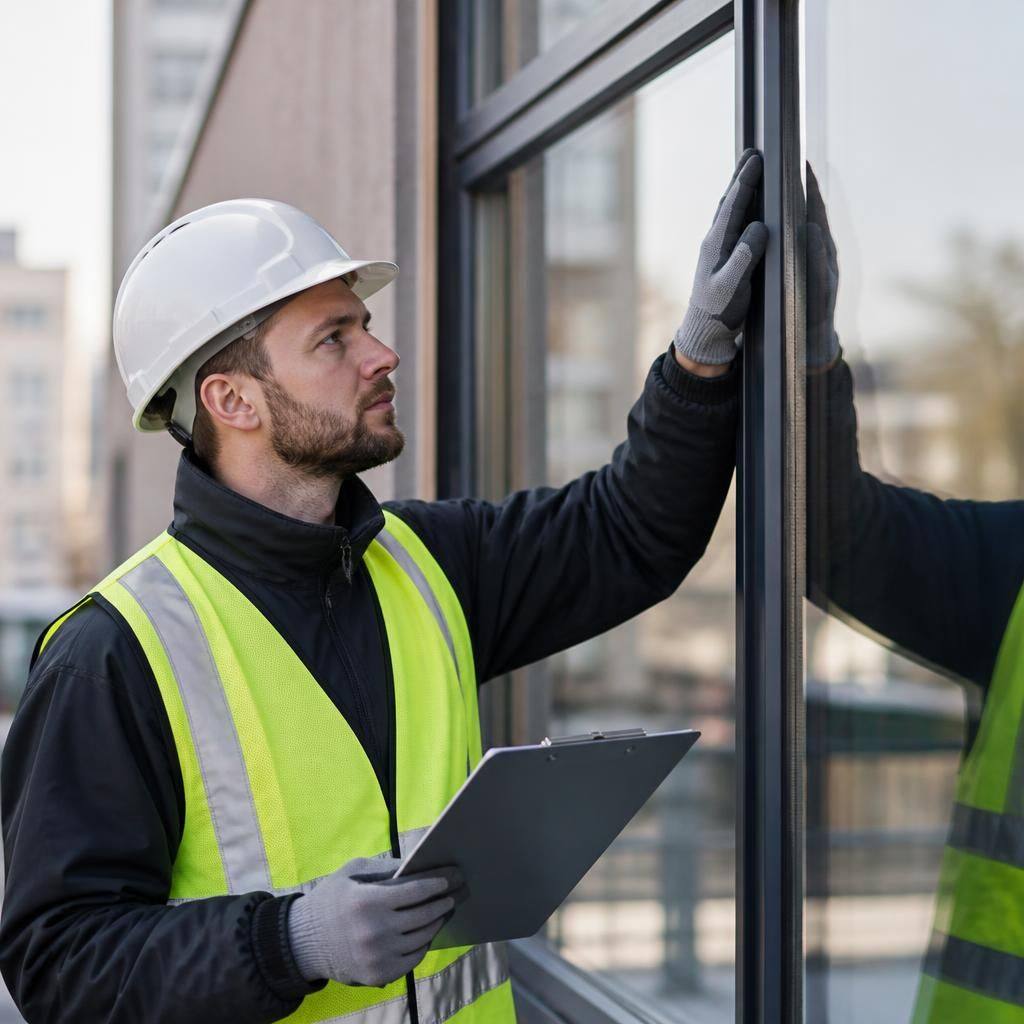
A quality check also confirms that the installed materials match the agreed specification, not simply that the pane fits the opening. The responsible person may verify the glass type, safety classification, dimensions and any specified performance characteristics against the order, survey information or project requirements. This is particularly important where the window forms part of a larger commercial system or where the glazing has a defined safety function.
Any discrepancy should be raised before completion is approved. Checking the materials as well as the finished appearance helps ensure that the repair is suitable for the building’s intended use and can be properly recorded for future maintenance.