
What affects the cost of commercial window repairs?
The cost of commercial window repairs depends on the extent of the damage, the glass specification, the condition of the frame and hardware, and the access required to complete the work safely. A specialist assessment can establish whether repair or replacement is appropriate and identify any compliance requirements affecting the quotation.
Commercial window repair costs are shaped by the technical specification of the work and the conditions on the site, rather than by the glass alone. A reliable quotation should account for the proposed repair method, the required materials, installation conditions, associated finishing work and any documentation needed to demonstrate compliance.
Glass specification is often a significant cost factor. A replacement may need to match the existing pane’s thickness, safety classification, acoustic performance, solar-control properties, coating or insulation requirements. Toughened, laminated, fire-resistant and sealed insulated units each involve different manufacturing and handling considerations. Bespoke dimensions, unusual shapes, drilled holes or difficult-to-source specifications can also affect material and procurement costs.
The number and arrangement of panes influence the overall scope. Several damaged panes within one elevation may require coordinated removal and installation, while isolated panes can involve separate preparation and protection measures. Large panes, glazed screens and continuous commercial elevations require careful planning because lifting, positioning and temporary protection must be managed as part of the installation process.
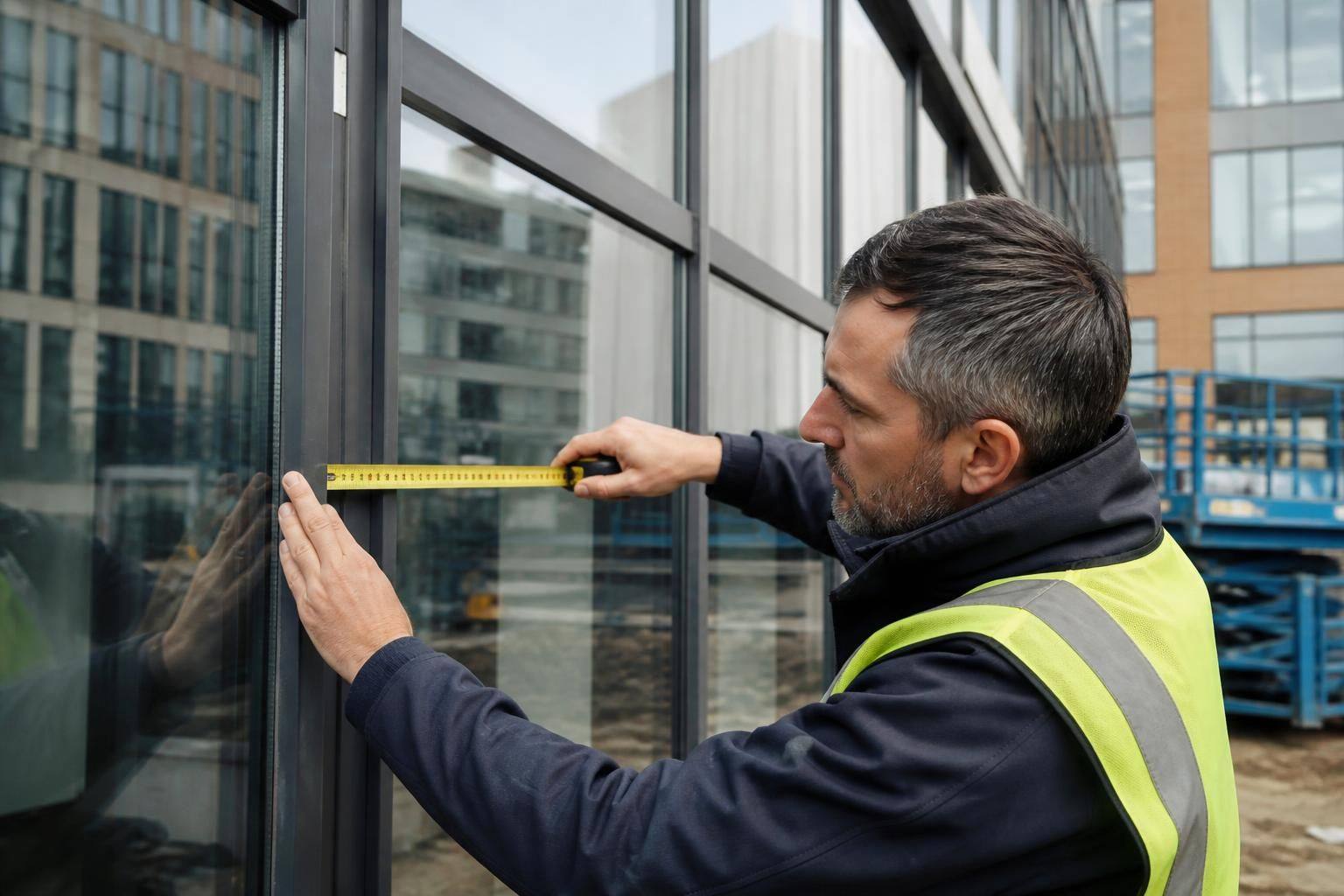
Survey and measurement requirements can affect the quotation where the glazing is non-standard or the original system is no longer readily identifiable. Accurate site measurements, confirmation of the glass build-up and checks against surrounding components help prevent an unsuitable unit being ordered. Where records or markings are unavailable, additional investigation may be needed before manufacture can proceed.
Site logistics and working conditions also contribute to cost. Restricted loading arrangements, controlled access to a managed building, internal protection, security procedures and coordination with the occupier can add planning and labour requirements. Work in a live commercial environment may need to be sequenced around staff, customers, tenants or other contractors, particularly where the opening must be kept secure throughout the process.
Installation complexity varies between a straightforward pane change and work involving a specialist commercial glazing system. Removal of retained glass, preparation of the glazing rebate, replacement of seals or beads and careful alignment can all affect the time and skill required. The quotation should distinguish between the visible repair and the preparation needed to install the new glazing correctly.
Ancillary work may be required once the glazing has been removed. This can include renewing compatible sealants, replacing worn gaskets, reinstating trims or completing minor making-good around the perimeter. These items are not always apparent from photographs, so a detailed survey is useful when the finished appearance and weather performance are important.
Safety and compliance requirements may influence both materials and installation procedures. Commercial glazing must be considered in relation to its position, use, impact risk and the relevant building and safety requirements. Where a specified glass type, safety marking, certification or completion record is necessary, those requirements should be identified before the quotation is finalised. GlassPlus UK carries out work in accordance with current building and safety regulations.
Removal and disposal can form part of the price, particularly where damaged glass must be handled as a safety risk or where substantial quantities of material are being removed. The quotation should make clear whether it includes safe removal, transport and disposal, as well as preparation of the area for the replacement installation.
Timing and procurement can affect the final figure when a pane is bespoke or requires manufacture to a particular specification. Standard replacement materials may follow a different process from made-to-measure units or specialist glass. A clear quotation should therefore identify the assumed specification and any items that remain subject to confirmation after measurement.
For meaningful comparison, businesses should review what each quotation includes rather than comparing only the headline amount. The scope should cover the glass specification, measurements, removal, installation, sealants and finishing, waste handling, access arrangements and any compliance documentation. It should also state any exclusions or assumptions, such as restricted access, additional damage discovered during preparation or work required by other contractors.
GlassPlus UK uses its commercial glazing experience to assess the practical factors behind a repair quotation. A site assessment can establish the full scope, clarify the specification and separate essential work from items that are only required if further conditions are found during preparation.
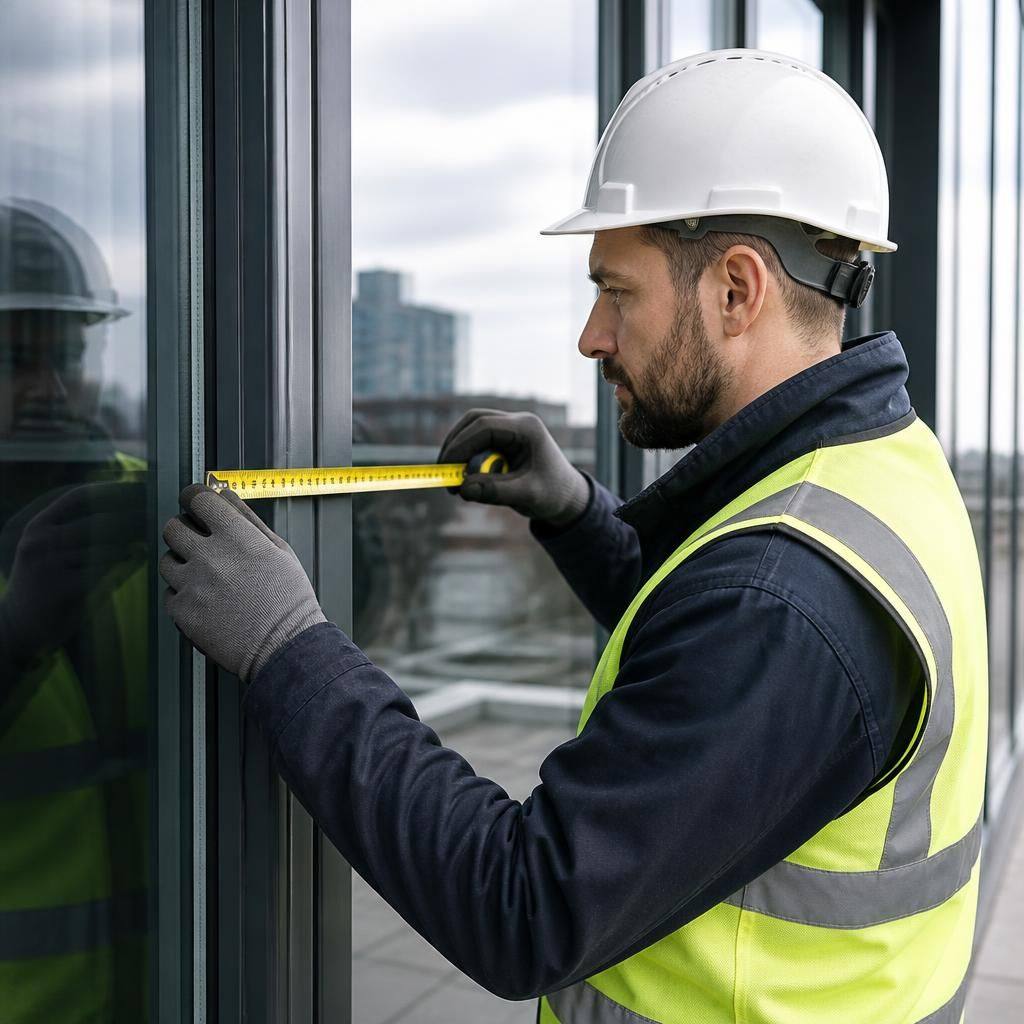
The proposed repair method can have a material effect on the quotation. A glass-only repair may be suitable where the surrounding window system remains serviceable, whereas a complete unit or component replacement may be necessary if the existing assembly cannot safely retain new glazing. The assessment should therefore consider whether the selected work addresses the condition of the window as a whole, rather than pricing the replacement pane in isolation.
Discuss your commercial window repair quotation
Businesses seeking to clarify the scope of a commercial window repair can contact GlassPlus UK to discuss their quotation and the information needed to assess the proposed work. This helps ensure the quotation reflects the requirements of the property and the intended repair method.