

When should a commercial window repair be inspected by a specialist?
A commercial window repair should be inspected by a specialist whenever glass is cracked or broken, the window is difficult to operate, or there are signs of water ingress, distortion or damage to the frame and fittings. Specialist inspection is also advisable after an impact or when the extent of concealed damage is uncertain, so the repair can be assessed safely and correctly.
A commercial window should be inspected by a specialist as soon as the condition of the glazing system cannot be established safely by a general visual check. This is particularly important where the window forms part of a larger façade, incorporates sealed double-glazed units, or has suffered an incident that may have affected components behind the visible surface. An inspection should take place before damaged elements are removed or temporary measures are altered, unless immediate action is required to protect people or property.
The purpose is not limited to deciding whether a pane needs replacing. A specialist assesses the complete window assembly and determines whether the defect is confined to the glass or extends to the frame, seals, beads, gaskets, drainage paths, hinges, locks, restrictors or surrounding interfaces. This distinction is important because replacing the visible component alone may leave an underlying fault unresolved.
- After an impact or security incident: The glazing, frame and fixing points should be examined for movement, deformation and damage that may not be apparent from inside the building.
- When a defect has changed: A crack that has lengthened, a sealed unit that has become misted or a frame that has altered position warrants professional assessment rather than continued observation.
- Before planned remedial work: Inspection establishes the correct repair method, the required specification and whether adjacent components must be retained, adjusted or replaced.
- When the window forms part of a curtain wall or shop front: The individual pane must be considered in relation to mullions, transoms, pressure plates, caps and weather seals. A local defect can affect the performance of the wider installation.
- During an alteration, refurbishment or change of occupancy: Existing windows should be reviewed where their condition, operation or compliance is relevant to the proposed use of the premises.
- When recurring faults have been reported: Repeated leaks, operational problems or failed seals indicate that the cause may require investigation rather than another isolated repair.
During the inspection, the specialist normally records the location and type of defect, the glazing construction, the condition of the frame and the operation of associated hardware. Measurements may be taken to identify the unit accurately, while the perimeter and drainage arrangements are checked for deterioration or obstruction. Where access is restricted, the report should make clear which areas were visible and which could not be assessed without further access or opening-up work.
The findings should distinguish between immediate safety concerns, damage that could worsen with continued use and defects suitable for planned maintenance. This allows the responsible person to prioritise work appropriately. A window that remains in position may still require prompt attention if its retention, weather performance or safe operation is uncertain. Conversely, a cosmetic issue may be documented for planned repair where it presents no immediate hazard.
Inspection is also advisable before approving a quotation based solely on photographs. Images can help identify the apparent fault, but they may not show the edge condition of the glass, the fixing arrangement, concealed frame distortion or the relationship between the window and adjacent façade elements. A site assessment provides the information needed to avoid an unsuitable repair specification and unnecessary replacement.
For commercial premises, the inspection record should identify the affected elevation, window reference or room, observed defects, photographs, access limitations and recommended action. It should also state whether temporary protection is required and whether further investigation is needed. Keeping this information supports communication between the building manager, occupier, contractor and any party responsible for health and safety or planned maintenance.
Where replacement or repair is recommended, the specialist should confirm the relevant glass type, dimensions, performance characteristics and installation requirements. The proposed work must be compatible with the existing commercial window system and carried out in accordance with applicable building and safety regulations. Inspection therefore provides the technical basis for a safe, proportionate and properly documented repair rather than treating the visible symptom in isolation.
GlassPlus UK can assess commercial window defects and advise on the appropriate repair or replacement route for businesses in London and surrounding areas. Its work is undertaken with regard to current building and safety regulations, helping commercial clients make informed decisions about damaged or deteriorating glazing.
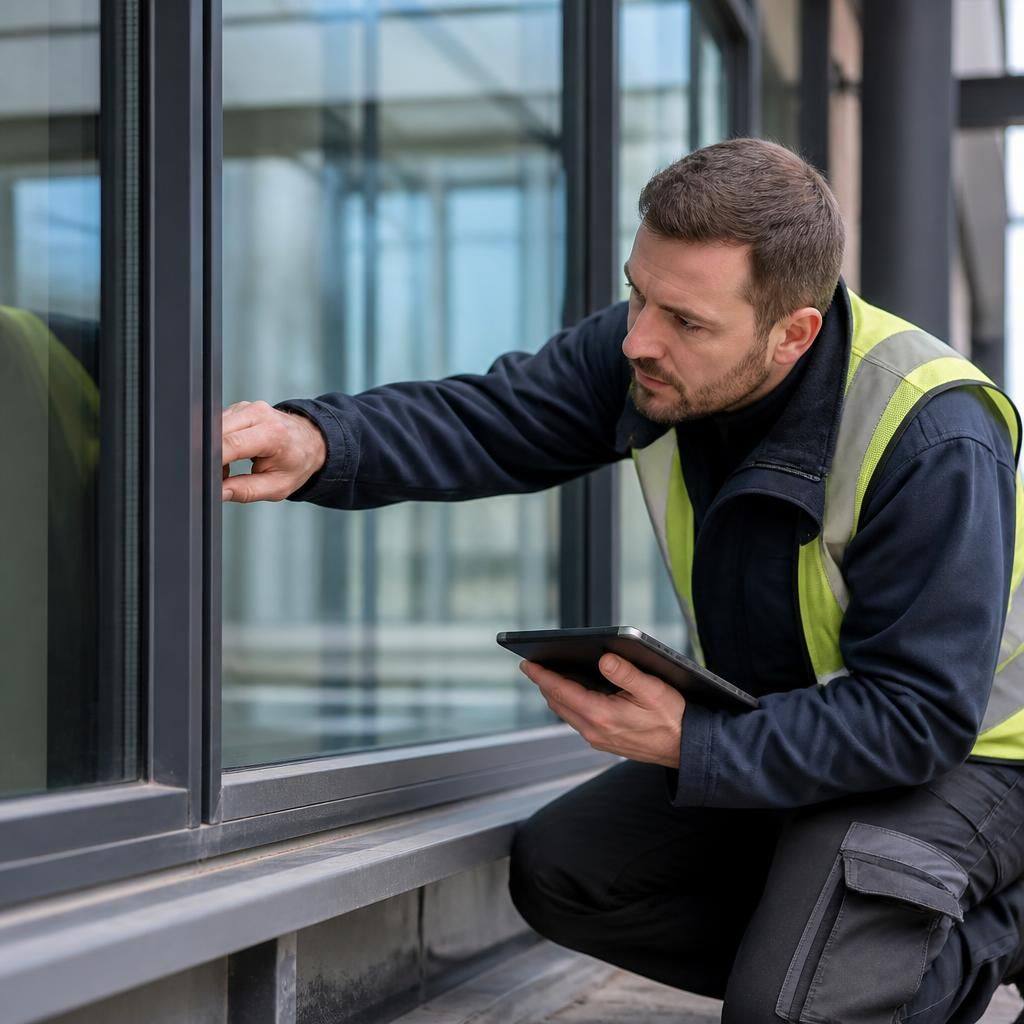
A specialist inspection is particularly important when a commercial window fault is intermittent or only appears under specific conditions. Water staining, draughts, vibration or operational difficulty may not be present during every visit, so the reported pattern should be recorded alongside the affected location and circumstances.
This information helps the specialist distinguish between a failed sealed unit, a perimeter sealing issue, movement within the frame or a problem at the interface with the surrounding façade. Examining the fault in context is more reliable than treating an isolated symptom, particularly where the window is part of a larger commercial glazing system.