What safety controls apply during curtain walling repairs?
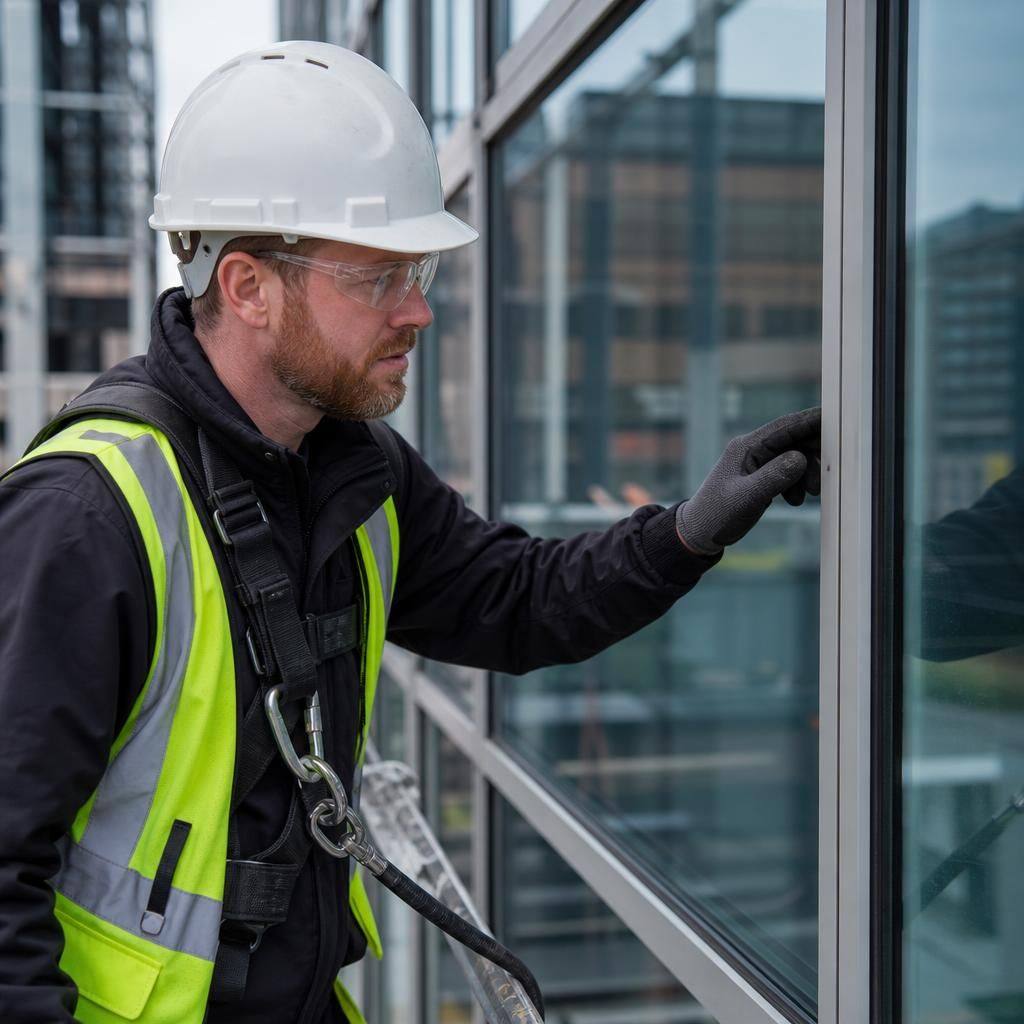
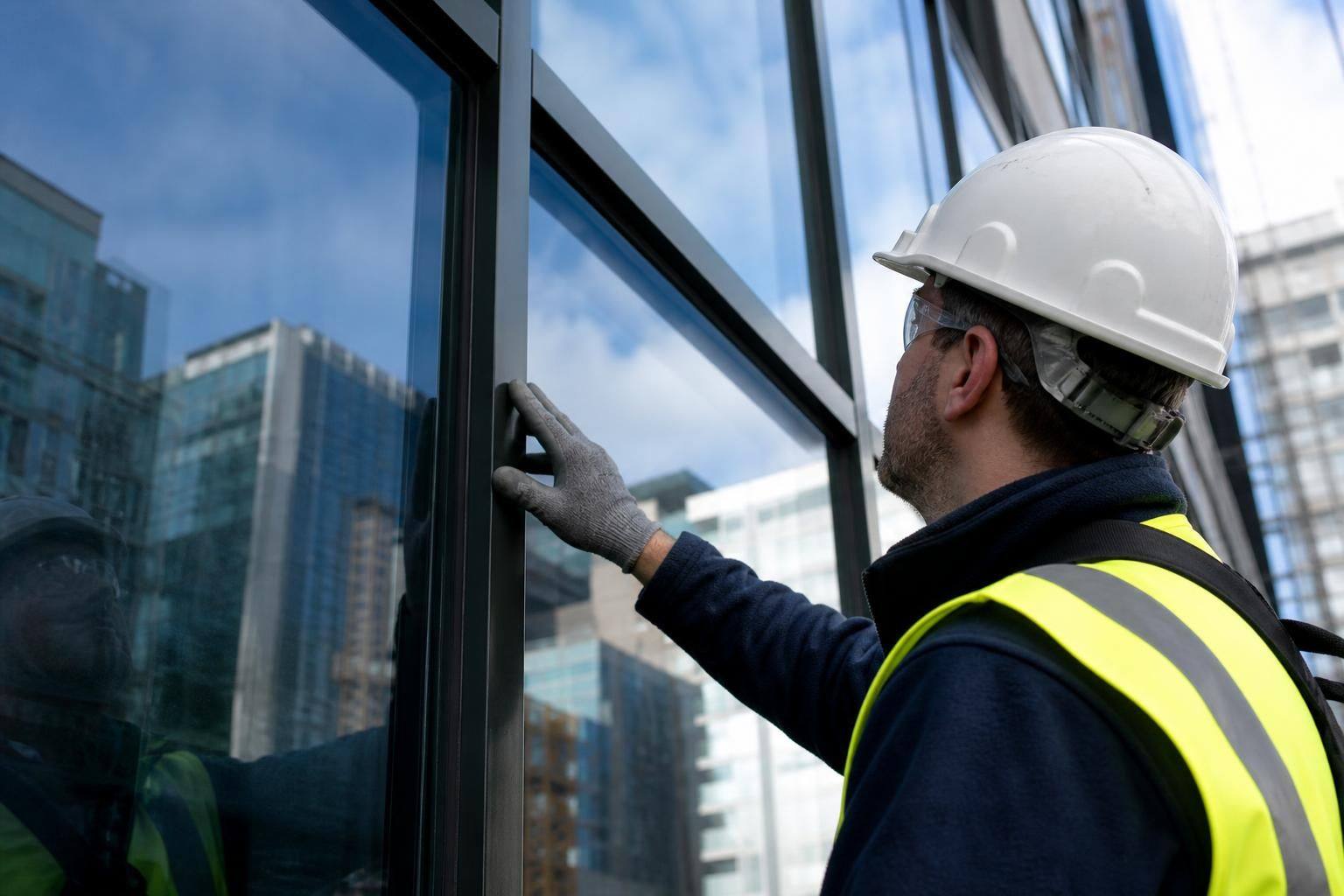
Curtain walling repairs are controlled through task-specific risk assessments, planned access arrangements, suitable exclusion zones and appropriate personal protective equipment. GlassPlus UK also manages the handling and securing of glazing components in line with current building and safety regulations, helping protect workers, occupants and visitors during the repair.
The main safety controls for curtain walling repairs are established before work begins and maintained throughout the task. GlassPlus UK uses a planned sequence covering the façade condition, the work area, access equipment, glass handling, protection of people nearby and the condition of the building after repair. This helps ensure that repair work is carried out in accordance with current building and safety regulations.
Pre-start inspection and planning
A competent inspection identifies the damaged unit, the likely cause of failure and any risks presented by adjoining panels, framing, seals or fixings. The condition of the surrounding curtain walling is important because removing one component can affect adjacent elements. The proposed method therefore takes account of the panel’s size, weight, position, fixing arrangement and the condition of the supporting structure.
The work is organised through a clear method statement, with responsibilities agreed before the repair starts. This establishes the order of removal and installation, the equipment required, the method for controlling materials and the action to take if hidden damage or unexpected movement is found. Work should pause for reassessment where site conditions differ materially from those identified during planning.
Control of the work area
Commercial premises require particular care because employees, visitors, deliveries and other contractors may continue to use the building. The repair area is separated from normal activity using suitable barriers and clear warning notices. Access routes, entrances and escape paths are kept under review so that the repair does not create an unmanaged obstruction.
Where the work affects an entrance, circulation route or occupied room, the sequence is coordinated with the building’s responsible contact. This allows affected areas to be managed while glazing is removed, stored or installed, and helps prevent people entering beneath or beside active work. Materials, tools and removed glass are kept in controlled locations rather than left where they could create a trip, impact or cut hazard.
Access equipment and work at height
The access method is selected for the specific elevation and repair position. Equipment must be suitable for the surface, ground conditions, working height and movements required to remove and install the glazing. It is checked before use, positioned securely and used by people who understand its safe operation. The arrangement is also considered alongside nearby roofs, balconies, plant, overhead obstructions and areas vulnerable to falling objects.
Tools and components are controlled while work is taking place at height. Small items are prevented from falling wherever practical, and the area below remains protected until the task is complete. Access equipment is not treated as a substitute for planning: the safest arrangement is the one that allows the repair to be completed without excessive reaching, unstable positioning or unnecessary handling.
Safe removal and installation of glazing
Glass is assessed before it is disturbed, including its condition, dimensions and likely handling requirements. Removal is carried out in a controlled sequence so that the unit does not shift unexpectedly. Suitable lifting or handling aids are used where appropriate, with enough personnel involved for the component being moved. Broken or cracked glass is treated as a sharp, unstable material, and fragments are collected and removed using a controlled process.
New glazing and replacement components are checked for damage before installation. They are positioned so that edges, corners, seals and framing are not subjected to avoidable impact. The unit is then secured in accordance with the approved repair method, with attention given to support, alignment, drainage paths and weather sealing. Any temporary protection required during the work is kept in place until the façade is stable and the repair is ready for inspection.
Protection of the building and occupants
Internal finishes, furniture, stock and equipment near the repair area are protected from dust, fragments and accidental contact. The building’s weather exposure is considered when a panel or seal is temporarily removed, so the opening is not left without suitable protection. Noise, vibration and access disruption are also considered when planning the sequence in an occupied commercial property.
Work is monitored for changes such as movement in adjacent panels, damaged fixings, water penetration or deterioration concealed behind the visible defect. These findings are recorded and referred back to the responsible person before the original method is extended. This prevents an apparently minor repair from being continued under conditions that require a different control measure.
Completion checks
On completion, the repaired area is checked for secure installation, sound seals, correct alignment and the safe removal of temporary measures. The surrounding area is cleared of glass fragments, packaging and equipment, and barriers are removed only when the area is safe to return to normal use. Relevant observations, limitations or recommendations can then be communicated to the client as part of the repair record.
This combination of pre-planning, competent handling, controlled access, protection of occupied premises and final inspection provides a more reliable safety framework than treating the replacement glass alone as the whole repair. GlassPlus UK applies these controls to help protect site personnel, building users and the curtain walling during the repair process.
Site-specific permit and communication arrangements can provide an additional layer of control on occupied commercial premises. Where required by the building operator, the glazing contractor should work within the site’s permit-to-work system and confirm relevant rules before the repair begins. This may include signing in, identifying emergency arrangements, confirming restricted areas and notifying security or facilities personnel when materials are brought in or removed.
A named client contact also helps manage interfaces with cleaning teams, maintenance contractors, tenants and deliveries. Clear communication reduces the risk of another activity taking place within the controlled work area or changing the conditions around the repair without the glazing team being aware. For businesses comparing contractors, the ability to work constructively within established site procedures is an important part of safe curtain walling repair.