When is curtain walling repair preferable to replacement?
Curtain walling repair is generally preferable when damage is localised and the surrounding framing, seals and fixings remain sound. Replacement is more appropriate where defects are widespread, the system has deteriorated significantly or repair would not restore safe, compliant performance.
Repair is preferable where it can restore the curtain walling’s safety, weather resistance and serviceable performance without disturbing sound sections of the façade. The decision should be based on the condition of the complete assembly rather than the appearance of one damaged pane or isolated defect.
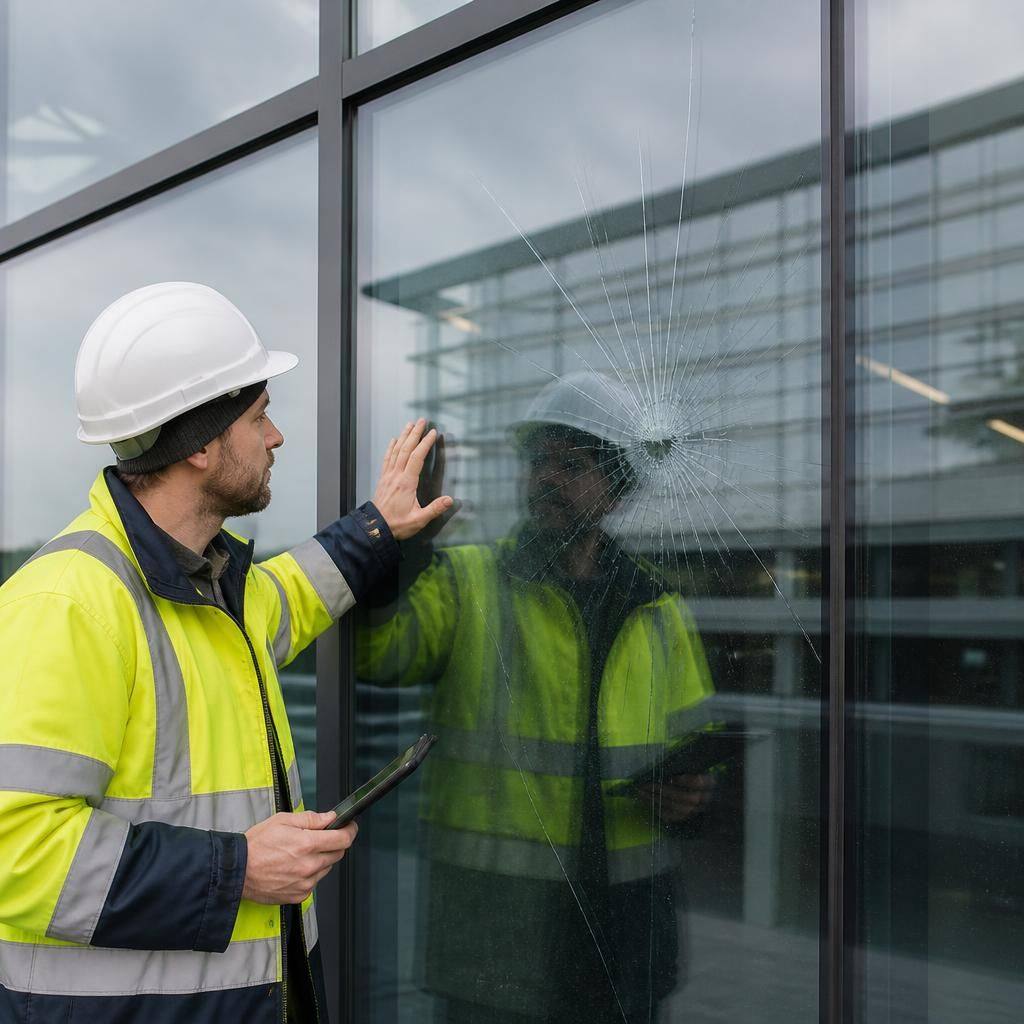
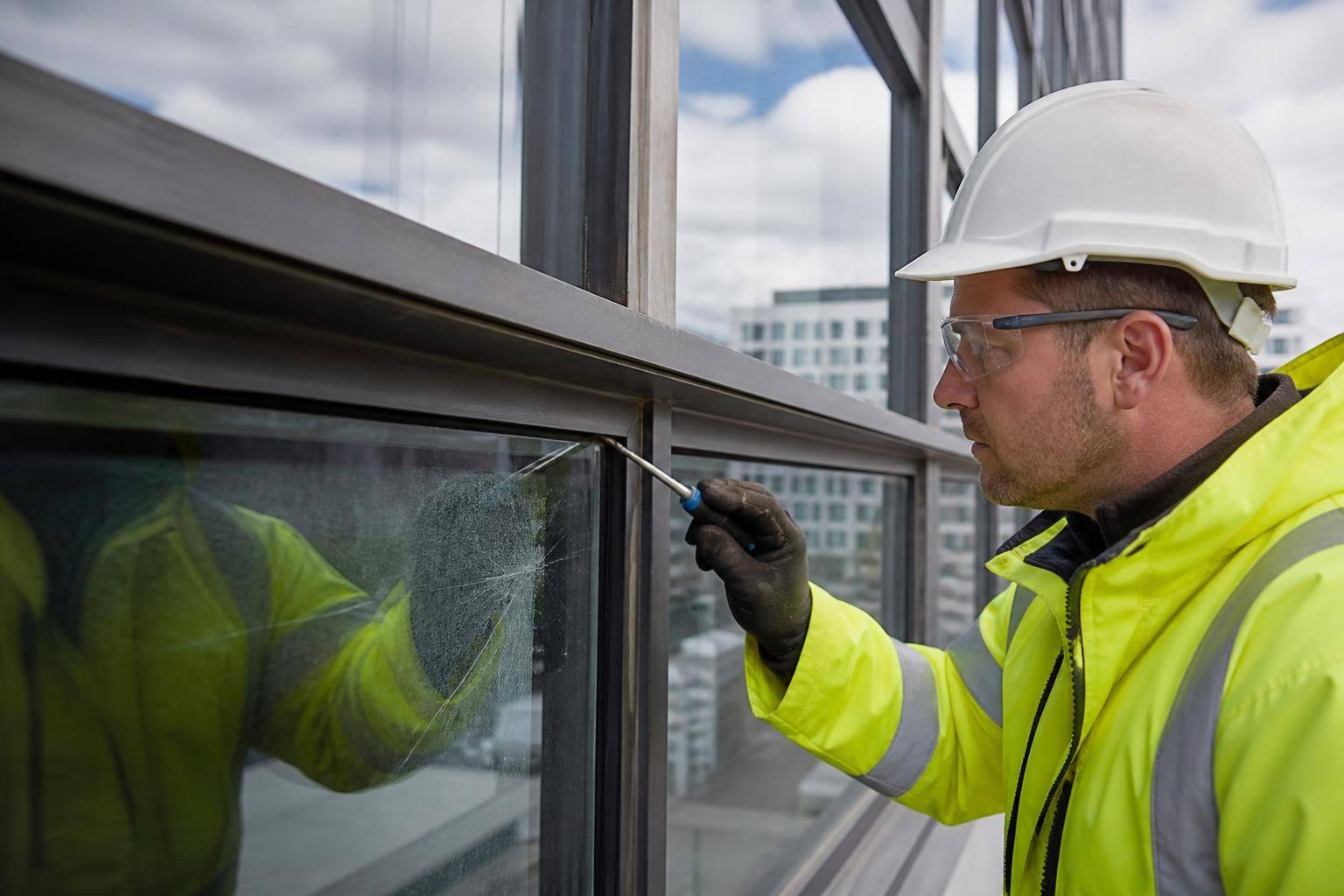
A suitable assessment considers the glass, framing, gaskets, seals, pressure plates, fixings, drainage paths and interfaces with adjoining building elements. If these components remain compatible and stable, targeted work can address the affected area while retaining the serviceable parts of the existing system. This can reduce unnecessary disturbance to occupied commercial premises and preserve the appearance of an established façade.
The likely cause of the defect is also important. Accidental impact, a failed seal, localised water ingress or a damaged gasket may be suitable for repair once the underlying cause has been identified. Replacing only the visible symptom may lead to recurring problems if movement, defective drainage, inadequate fixing or deterioration around the opening is left unresolved. A proper proposal should therefore explain both the repair method and any related remedial work.
Repair is generally the more proportionate option where:
- the affected area is clearly defined and accessible;
- the surrounding mullions, transoms and connections remain in sound condition;
- the existing glass and replacement components can be matched correctly;
- the curtain walling continues to provide suitable resistance to weather and wind loading; and
- the work can be completed without compromising the performance of adjoining sections.
Replacement becomes more appropriate when inspection identifies deterioration beyond the immediate defect. Examples include extensive corrosion, repeated failure of seals, distorted framing, movement at connections, widespread water penetration or components that can no longer provide a reliable fixing. A replacement may also be justified where the original system has been altered over time and a local repair would leave incompatible materials or unresolved performance issues.
The condition of the glass must be considered alongside the frame. A damaged or failed unit may be replaceable without removing a larger section of curtain walling, but the replacement should be checked for correct dimensions, thickness, safety characteristics and relationship with the existing system. Where the frame has distorted or the glazing pocket is damaged, fitting new glass alone may not provide a satisfactory result.
Building use can influence the practical choice. In an occupied office, shop or other commercial property, a carefully planned repair may limit disruption, protect internal finishes and avoid removing sound façade elements. However, the need to minimise disruption should not override safety, regulatory requirements or the need to correct the cause of failure. GlassPlus UK plans the work around the building’s operational constraints while maintaining a technically appropriate approach.
Cost is relevant, but it should be assessed over the expected service life rather than by comparing the initial quotation alone. A lower-cost repair may be poor value if the same defect is likely to recur or if adjacent components are already near the end of their useful life. Conversely, full replacement can be disproportionate where the wider curtain walling remains sound and a properly specified repair will provide the required performance.
Before recommending repair, GlassPlus UK reviews the available site information, examines the affected area and considers how the proposed work will interact with the existing façade. The recommendation should identify the observed defect, distinguish confirmed findings from matters requiring further investigation, and set out any limitations affecting the proposed solution. This gives the building owner or facilities team a clearer basis for comparing repair with replacement.
Where repair is selected, the completed work should be checked for secure installation, suitable sealing, correct drainage and a consistent interface with the surrounding curtain walling. Records of the work and any relevant materials or observations can also support future maintenance decisions. With more than 30 years of industry experience, GlassPlus UK applies this practical, compliance-focused approach to commercial glazing work for businesses across London and surrounding areas.
A small visible defect does not always indicate a small repair. If similar failures appear across several elevations, levels or bays, the pattern may point to a wider issue with the curtain walling system. In that situation, repairing one location in isolation may provide only a temporary solution and leave other vulnerable areas unaddressed.
GlassPlus UK therefore considers whether the defect is isolated or part of a recurring pattern before advising on repair or replacement. This distinction helps building owners and facilities teams choose a proportionate remedy based on the condition of the façade as a whole.