How are emergency commercial glazing repair timescales explained to businesses?
Emergency commercial glazing repair timescales are explained according to the damage, safety requirements, access arrangements and availability of suitable replacement glass. GlassPlus UK confirms the expected stages, from assessment and making the area safe through to the permanent repair or replacement, once the necessary details are established.
There is no single emergency commercial glazing repair timescale that applies to every business. GlassPlus UK explains the expected duration after reviewing the type of glazing, the extent of the damage, the risks present and what is required to complete the work correctly. This gives the responsible person a practical sequence rather than an unreliable estimate.
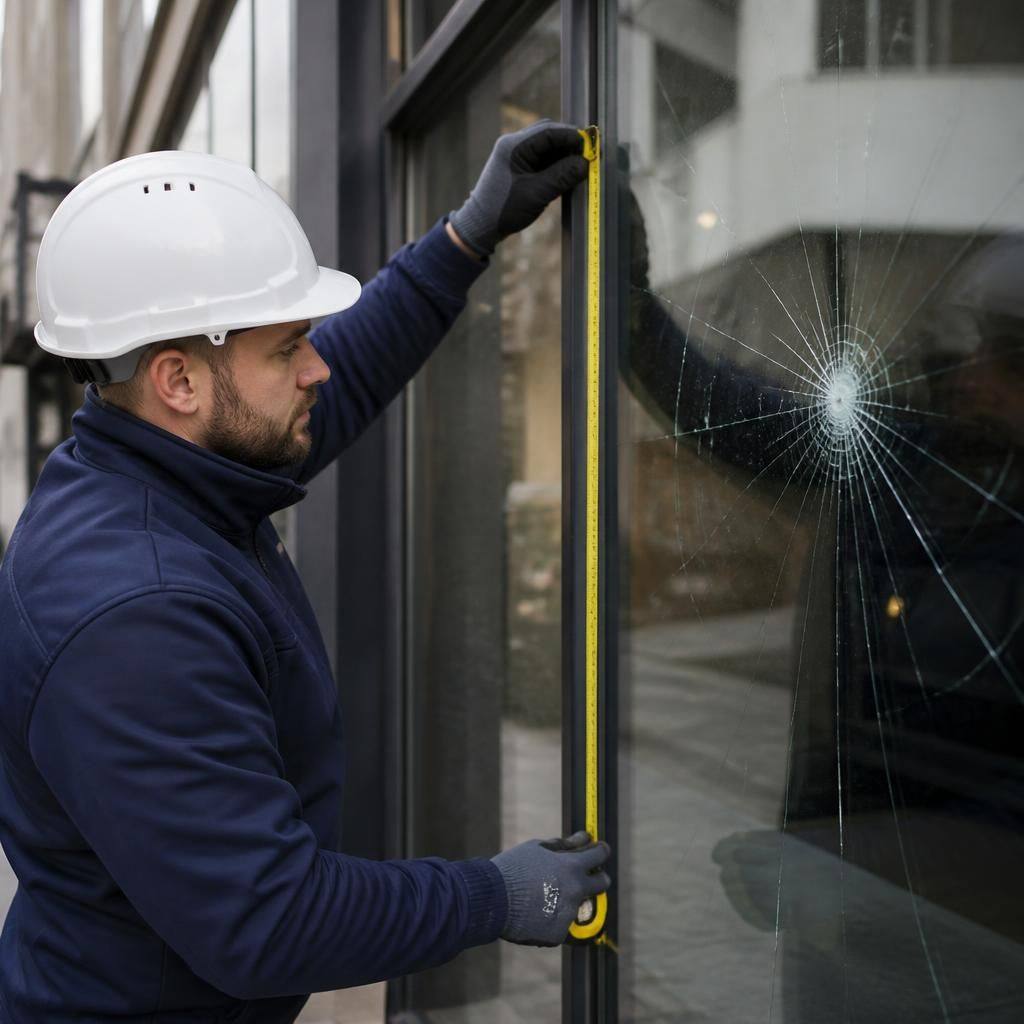
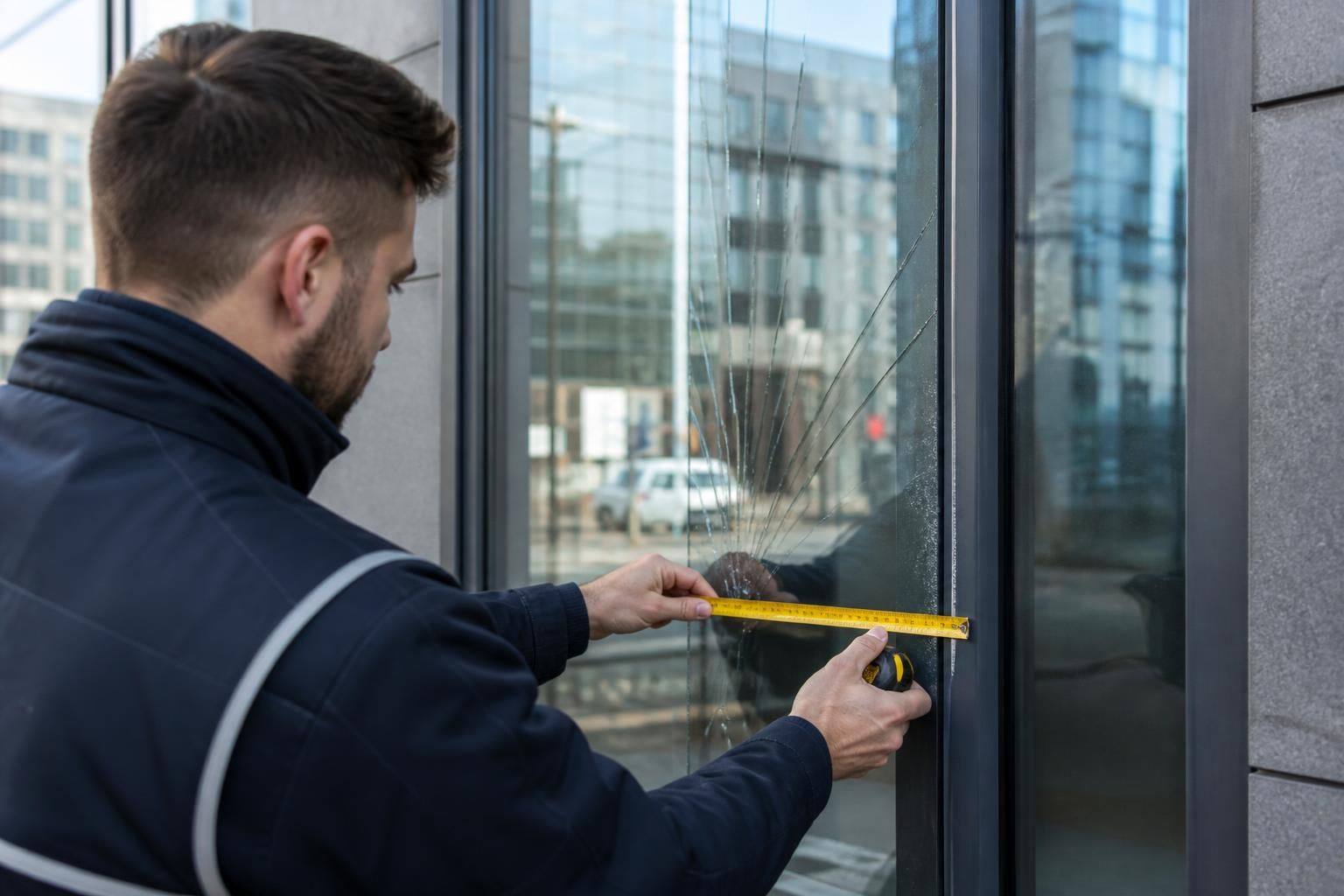
The initial stage is information gathering and assessment. Details such as the property address, the affected area, the type of damage, approximate glass dimensions and any immediate security concern help establish the likely scope. Photographs may also assist with the initial review, although they do not always replace an on-site inspection. Access restrictions, alarm arrangements, loading requirements and the presence of tenants or members of the public can affect how the work is organised.
Making the area safe is treated separately from completing the permanent repair. Where broken or unstable glazing presents a hazard, the first priority is to control access and reduce the risk of injury or further damage. The permanent solution may then involve removing damaged material, preparing the frame or glazing system, and installing suitable replacement glass. These stages should not be combined into one assumed timescale, particularly where the replacement unit must be made to a specific size or specification.
Replacement requirements are a major factor. Standard requirements may be more straightforward to arrange, while specialist, safety-critical or visually matched glazing can require additional checks and preparation. The condition of the surrounding frame, curtain walling, shop front or window system may also be relevant. If the supporting structure has been distorted or damaged, further work may be necessary before new glass can be installed safely.
Businesses should also allow for site coordination. Commercial premises may require a permit to work, security clearance, landlord approval, traffic or delivery arrangements, or coordination with a facilities manager. Occupied buildings can require segregated work areas and carefully planned access. These arrangements help protect staff, visitors and contractors, but they can influence when particular stages can take place.
GlassPlus UK normally explains the position in terms of the next confirmed stage, any information still needed, and the factors that could alter the expected completion point. A quotation or work recommendation should make clear whether it covers immediate safety measures, permanent replacement, associated frame work, disposal and any access-related requirements. Businesses should ask for clarification where an estimate does not distinguish between temporary protection and finished works.
- Provide accurate site and contact details, including the person responsible for granting access.
- Describe the damage and identify whether glass is loose, shattered, cracked or missing.
- Send clear photographs where safe and appropriate to do so.
- Explain any security, trading, public-access or tenant considerations.
- Confirm whether specific appearance, performance or compliance requirements apply.
- Agree how progress updates and approval decisions will be managed.
Once the scope is understood, GlassPlus UK can set out the practical sequence for the premises and identify any dependencies that may affect completion. Businesses can request an assessment or quotation by contacting the company during its stated operating hours, Monday to Friday from 7.30am to 4.30pm.
A useful timescale explanation should distinguish between confirmed arrangements and provisional expectations. Businesses should check what has been agreed, which elements remain subject to inspection or approval, and what event will allow the next stage to be confirmed. This prevents an indicative estimate from being treated as a guaranteed completion date.
- The current status of the enquiry or site assessment
- The next action required and who is responsible for it
- Any outstanding approval, specification or access dependency
- Whether the stated date relates to attendance, temporary protection or completed works
- When the position will be reviewed if circumstances change
GlassPlus UK can record these points in the quotation or work recommendation, giving the responsible person a clear basis for internal planning and approval. If the explanation does not identify the relevant stage, businesses should request clarification before authorising the work.