How are emergency commercial glazing repairs checked for compliance?
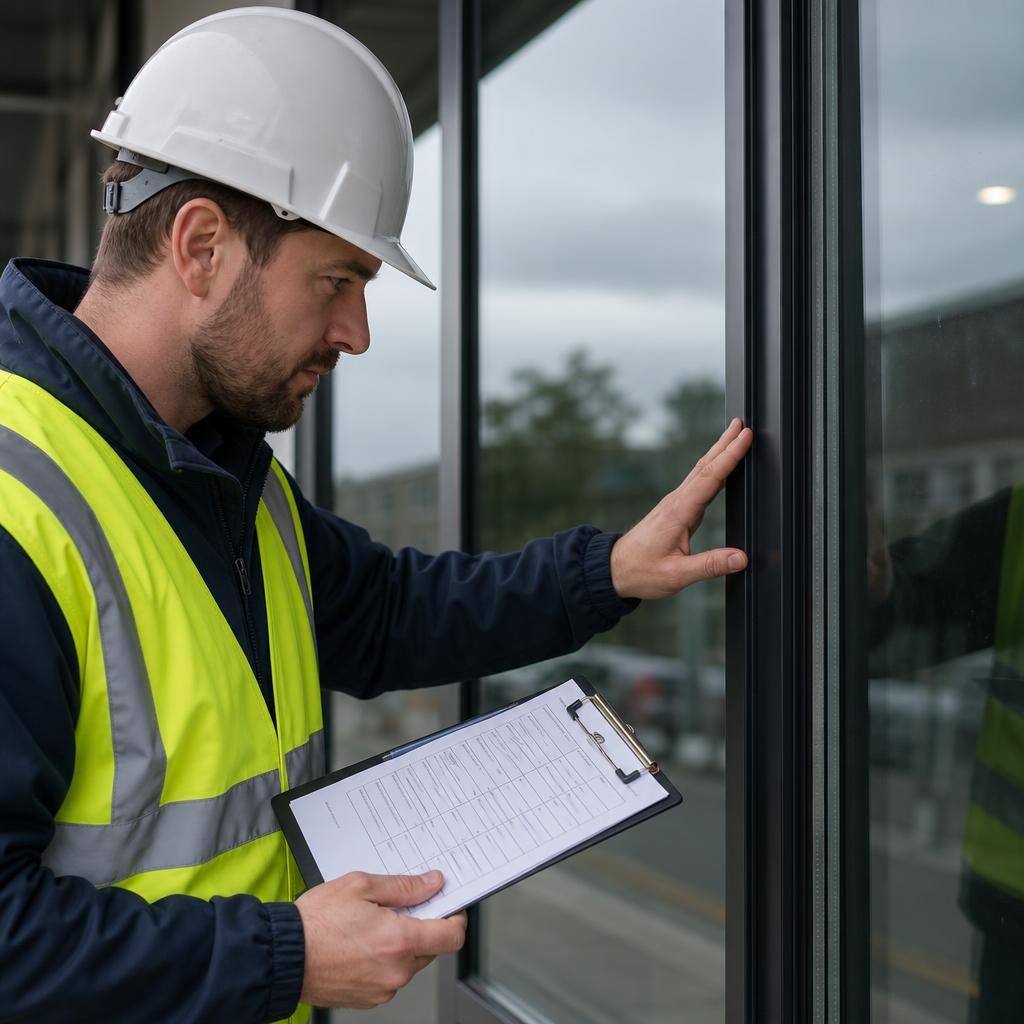
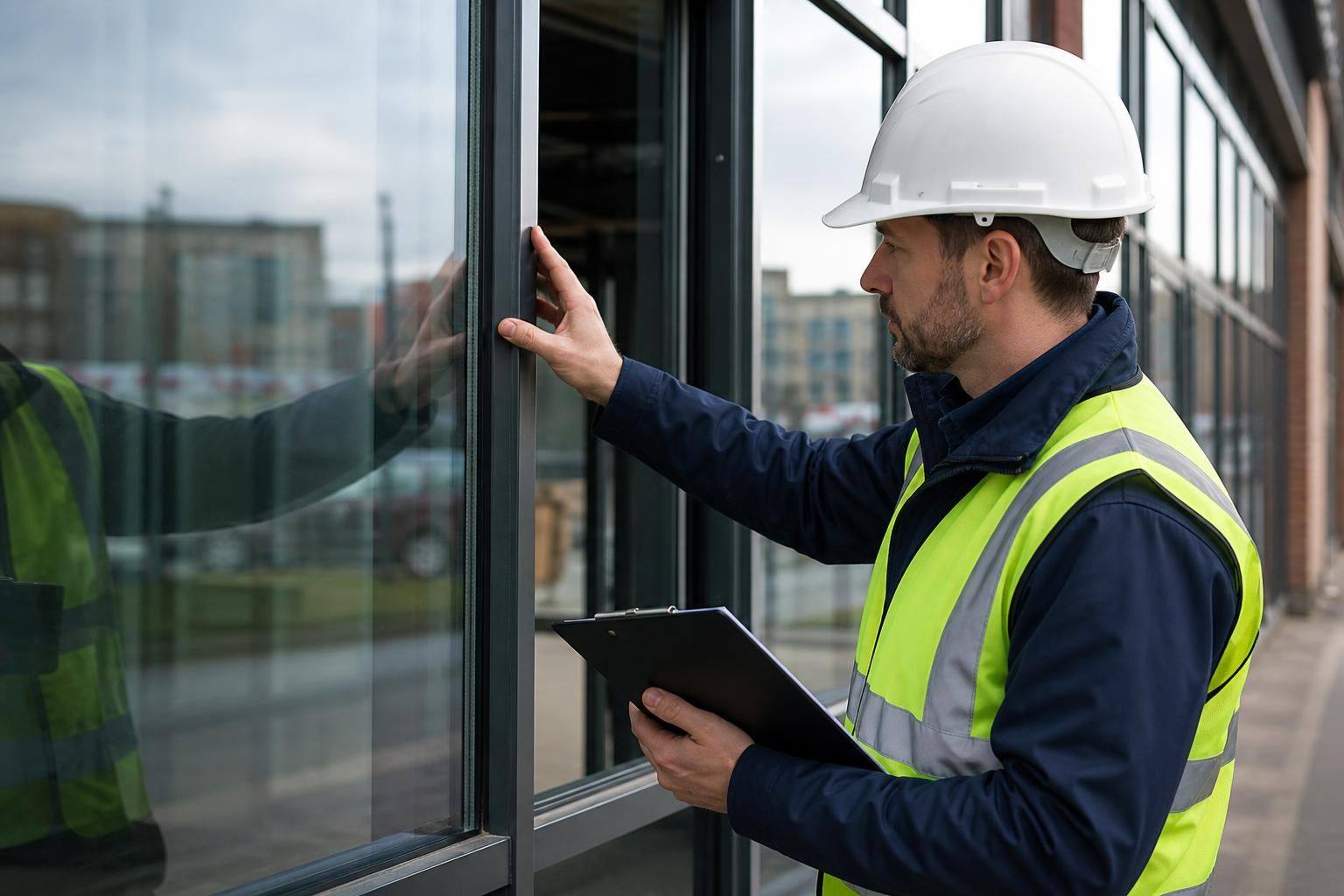
Emergency commercial glazing repairs are checked by assessing the replacement glass, installation and surrounding frame against current building and safety regulations. GlassPlus UK verifies that the completed repair is secure, suitable for the property and safe for normal commercial use before the work is signed off.
Compliance is checked through a documented review of the glass specification, the repair method and the completed installation. GlassPlus UK considers the location, use and condition of the commercial glazing before confirming that the repair meets applicable building and safety requirements.
The main compliance checks include:
- Assessing the glazing location: The surrounding area is reviewed to identify risks such as impact, pedestrian movement, door access, low-level glazing and proximity to workspaces. This helps determine whether the replacement must provide additional protection against breakage or impact.
- Confirming the glass specification: The replacement is selected to suit the opening and its intended use. Relevant characteristics may include whether the glass is safety glass, its thickness, its performance requirements and its suitability for the existing frame or curtain walling system.
- Checking dimensions and tolerances: Measurements are verified before installation so the pane can be fitted without excessive pressure, movement or unsupported edges. Incorrect sizing can affect both safety and the service life of the repair.
- Inspecting the frame and supporting system: The frame, beads, gaskets, channels and adjacent components are examined for damage or deterioration. A new pane should not be treated as compliant if the supporting structure cannot hold it securely.
- Reviewing the installation method: The glazing is checked for suitable setting, alignment, edge protection, seals and retention. The installation must allow the glass to remain stable during normal use while protecting it from direct contact with unsuitable frame materials.
- Checking doors and access points: Where the repair involves a commercial glass door, checks include the relationship between the pane, hinges, pivots, locks, closers and surrounding hardware. The door should open, close and latch correctly without placing undue stress on the glass.
- Considering visibility and collision risks: Glazed doors and screens may need clear visual indication so that users can distinguish the glass from an open passage. The position and condition of any existing manifestation or other visibility marking can therefore form part of the final review.
- Inspecting the finished surface: The completed glazing is examined for visible damage, significant imperfections, movement, gaps and failed seals. Surrounding trims and interfaces are also checked for signs that the installation has not been completed correctly.
Where the repair forms part of a larger façade, shop front or curtain walling system, the inspection also considers how the replacement integrates with adjacent panels and existing drainage or sealing arrangements. This is important because a local repair must not create a weakness that allows water ingress, movement or deterioration around the opening.
Compliance is not limited to the glass itself. The work area, access arrangements and any temporary protection are considered so that the repair can be carried out without creating additional risk for staff, visitors or contractors. In an occupied commercial property, the final condition of the area is checked before it is returned to normal use.
GlassPlus UK can explain the checks carried out and identify any issue that prevents the repair from being signed off. Where the existing frame or surrounding construction requires further attention, this is reported rather than concealed by fitting replacement glass alone. Businesses should retain the quotation, specification, installation details and any completion notes with their property records, particularly where the glazing forms part of a managed commercial site.
For a compliance-focused assessment, businesses should provide the site address, the location and type of damaged glazing, photographs where available, and any known access or safety restrictions. GlassPlus UK can then establish the appropriate repair requirements and advise on the next practical step.
A compliance check should confirm that the completed repair matches the agreed scope, not simply that a new pane has been installed. The glass type, dimensions, retention method and surrounding components are compared with the requirements identified during the initial assessment.
If site conditions require a change, or if concealed damage prevents a full check, the matter should be recorded and referred for further consideration before the work is signed off. This gives the responsible person a clear view of what has been completed, what has been verified and whether any additional action is needed.