How is emergency commercial glazing repair prioritised on a business premises?
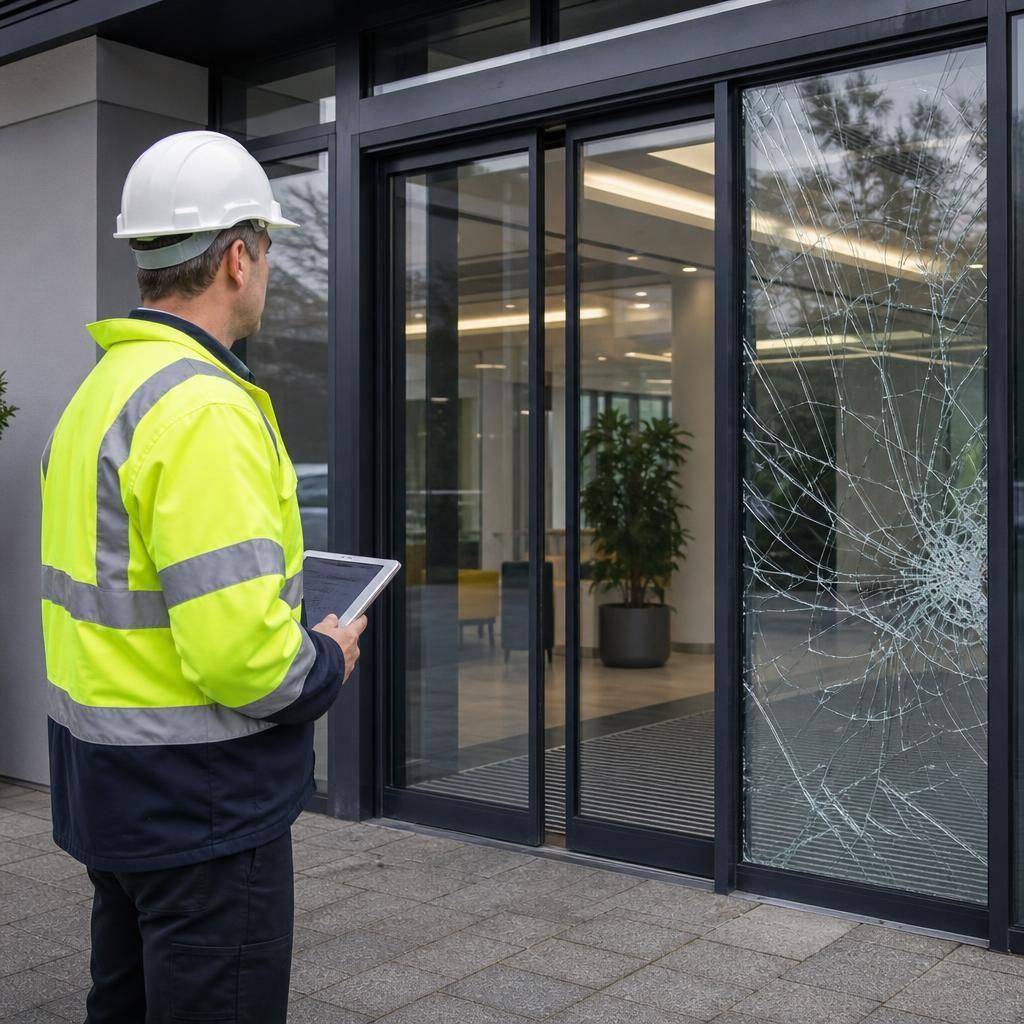
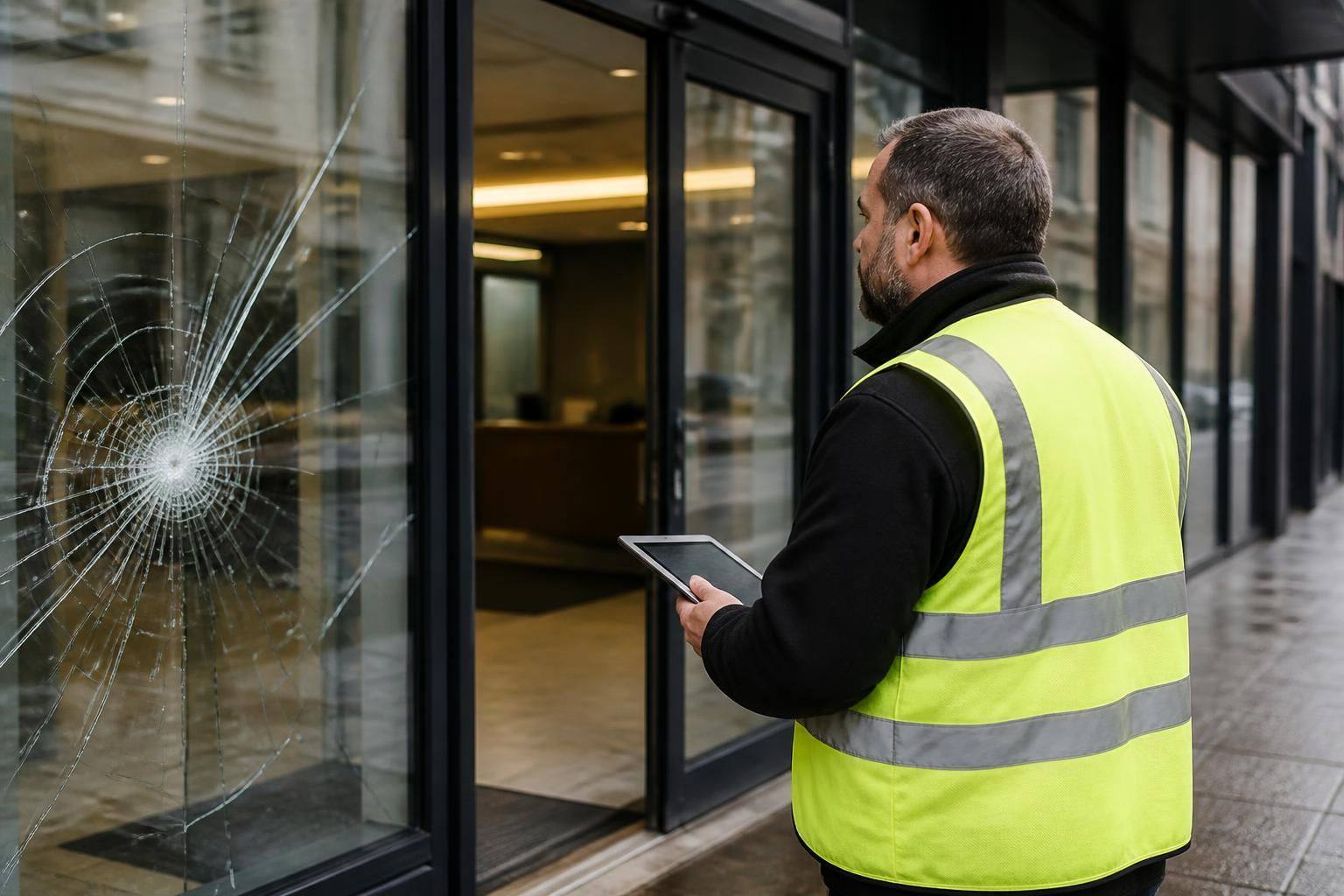
Emergency commercial glazing repairs are prioritised according to the immediate risk to people, the security of the premises and the extent of the damage. GlassPlus UK assesses the affected area, identifies suitable temporary protection where necessary and plans the repair or replacement in the safest, most practical order.
GlassPlus UK prioritises emergency commercial glazing work by assessing the immediate danger, the effect on the building’s security and the consequences for business operations. The highest priority is given to situations where people may be exposed to broken or unstable glass, where an opening leaves the premises vulnerable, or where damage affects an essential access point or occupied area.
The initial assessment considers several factors:
- Risk to people: loose panes, shattered glass, sharp edges, falling fragments and damaged doors or screens can create an immediate hazard for employees, visitors, contractors and members of the public.
- Security exposure: a broken shop front, entrance door, ground-floor window or internal security screen may provide unauthorised access to the premises or leave valuable areas exposed.
- Location of the damage: glazing in a busy entrance, reception area, retail frontage, circulation route or workplace is generally more urgent than damage in an isolated, unoccupied section.
- Extent and stability of the failure: a pane that is cracked but stable may require a different sequence of work from glazing that has collapsed, is bowing or remains attached only by part of its framing.
- Operational impact: damage that prevents safe use of an entrance, interrupts customer access or affects a critical working area is considered alongside the physical risks.
Where the area cannot safely remain exposed while permanent work is arranged, GlassPlus UK first considers suitable temporary protection. This can include making the immediate area safe, removing hazardous loose material where appropriate and securing the opening to reduce further risk. Temporary measures are selected according to the size, position and condition of the damaged glazing, as well as the requirements of the premises.
The next stage is to establish the most practical permanent solution. This may involve repairing the existing installation or replacing damaged glass, framing or associated components where repair is not suitable. The condition of the surrounding curtain walling, shop front or commercial window is taken into account so that work is not limited to the most visible part of the damage if adjacent elements could affect safety or performance.
Prioritisation also depends on the information available at the time of the enquiry. Businesses should provide the property address, the type and location of the glazing, a description of what happened, whether the area is occupied and whether the opening can currently be secured. Photographs can help GlassPlus UK understand the condition before attendance, although they do not replace an assessment of the installation where the damage is complex or the glass is unstable.
For occupied premises, the work sequence is planned to limit unnecessary disruption without compromising safety. This may mean isolating a work area, coordinating access with a facilities manager or arranging the work around the building’s normal activities during the agreed visit. The responsible person on site should identify restricted areas, security arrangements and any access requirements before the glazing contractor begins.
Once the immediate risk has been controlled, GlassPlus UK records the required repair or replacement scope and confirms any further requirements with the business. Work is then progressed in an order that reflects safety, security, access and the technical condition of the installation, rather than treating every damaged pane as the same type of emergency.
GlassPlus UK brings more than 30 years of industry experience to commercial glazing repairs, with work carried out in line with current building and safety regulations. Businesses requiring an assessment should contact the company with clear details of the damage and the premises so that the issue can be considered accurately and the next step explained.
Emergency glazing priorities can change if the condition of the installation develops before work begins. Further movement, additional breakage or a change in how the affected area is being used may increase the level of risk and require the work sequence to be reviewed.
GlassPlus UK therefore treats the initial priority as subject to site conditions rather than a fixed classification. Businesses should report any significant change before attendance and keep people away from areas where the glazing has become less stable. This helps the glazing team reassess the situation and apply the safest practical order of work.