
How is the finished work checked after emergency commercial glazing repairs?
GlassPlus UK checks completed emergency commercial glazing repairs for a secure fit, correct operation, a clean finish and compliance with current building and safety regulations. Any necessary final adjustments are identified before the work is considered complete.
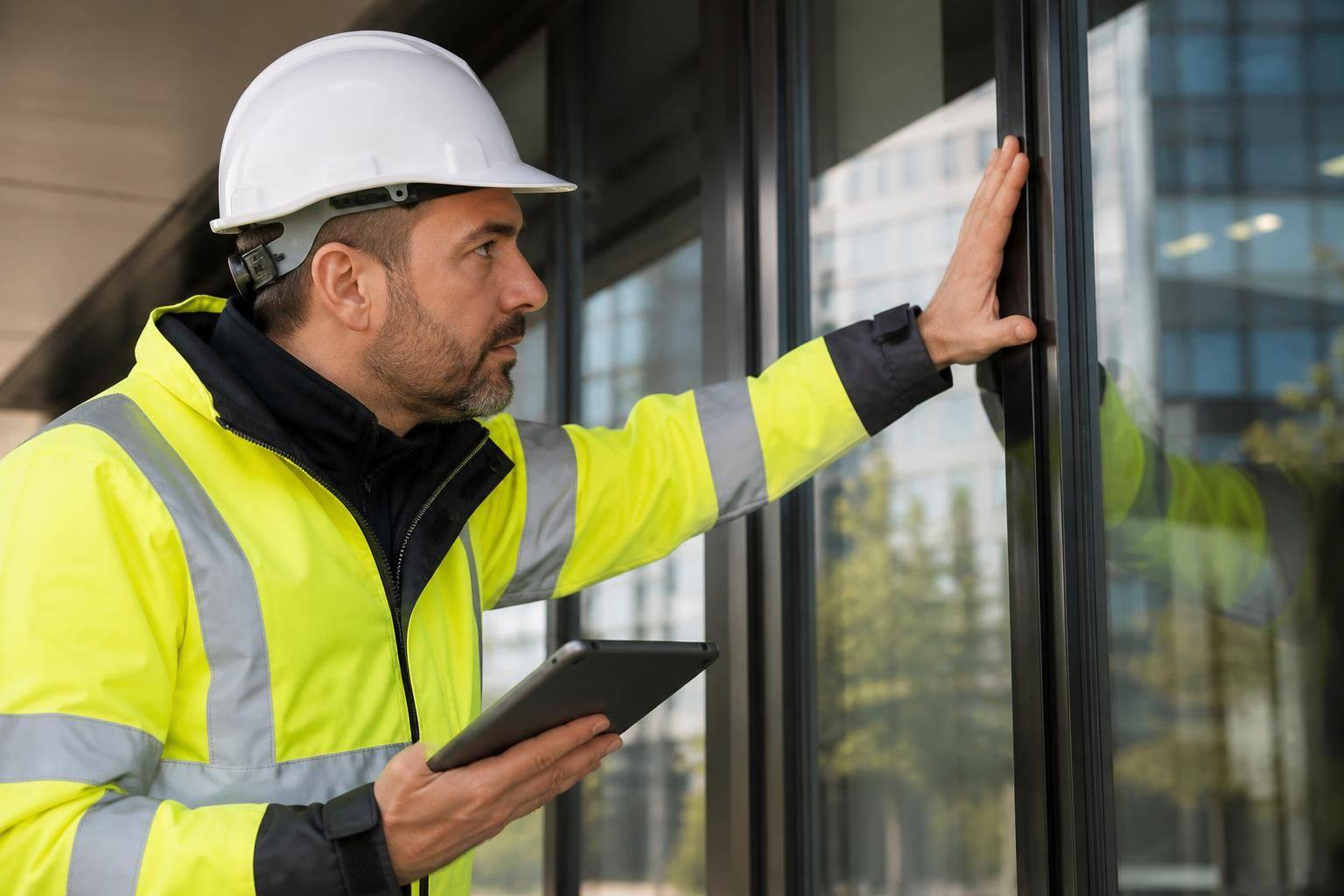
GlassPlus UK checks finished emergency commercial glazing work through a structured inspection before closing the job. The review considers the repaired area, its surrounding components, the way the installation performs in use and any practical risks that could affect the premises.
The inspection begins with the glass and the immediate frame or framing system. The technician looks for visible damage, movement, gaps, uneven pressure or signs that the surrounding structure has been affected by the original incident. Where relevant, seals, beads, gaskets, hinges, closers, handles, locks and other associated components are examined to confirm that they have not been disturbed or left in an unsuitable condition.
For doors and other moving elements, the technician carries out controlled opening and closing checks. This helps identify resistance, catching, excessive movement or problems with the hardware. Fixed glazing is assessed for stability and for any issue that could compromise the finished installation once the temporary working area has been cleared.
Attention is also given to the boundaries of the repair. Adjacent panes, mullions, transoms, trims and other connected sections are checked for damage or displacement that may not have been obvious when the initial emergency work began. This is particularly important on shop fronts and curtain walling, where one affected section can sit within a larger glazed system.
Once the physical inspection is complete, GlassPlus UK reviews the work against the agreed scope and the requirements applicable to the installation. The company works in accordance with current building and safety regulations, and any matter requiring further attention is recorded and discussed with the responsible business contact before the job is closed.
Where the premises remain occupied, the final review also considers practical handover points, such as whether access routes are clear, protective materials have been removed and the repaired area can be used safely. The business contact can raise any immediate concern during this handover, allowing the technician to assess whether a further adjustment or follow-up action is needed.
This approach gives commercial clients a clear record that the emergency repair has been inspected rather than simply left in place. Businesses requiring a professional assessment or quotation can contact GlassPlus UK to discuss the completed work and any remaining glazing requirements.
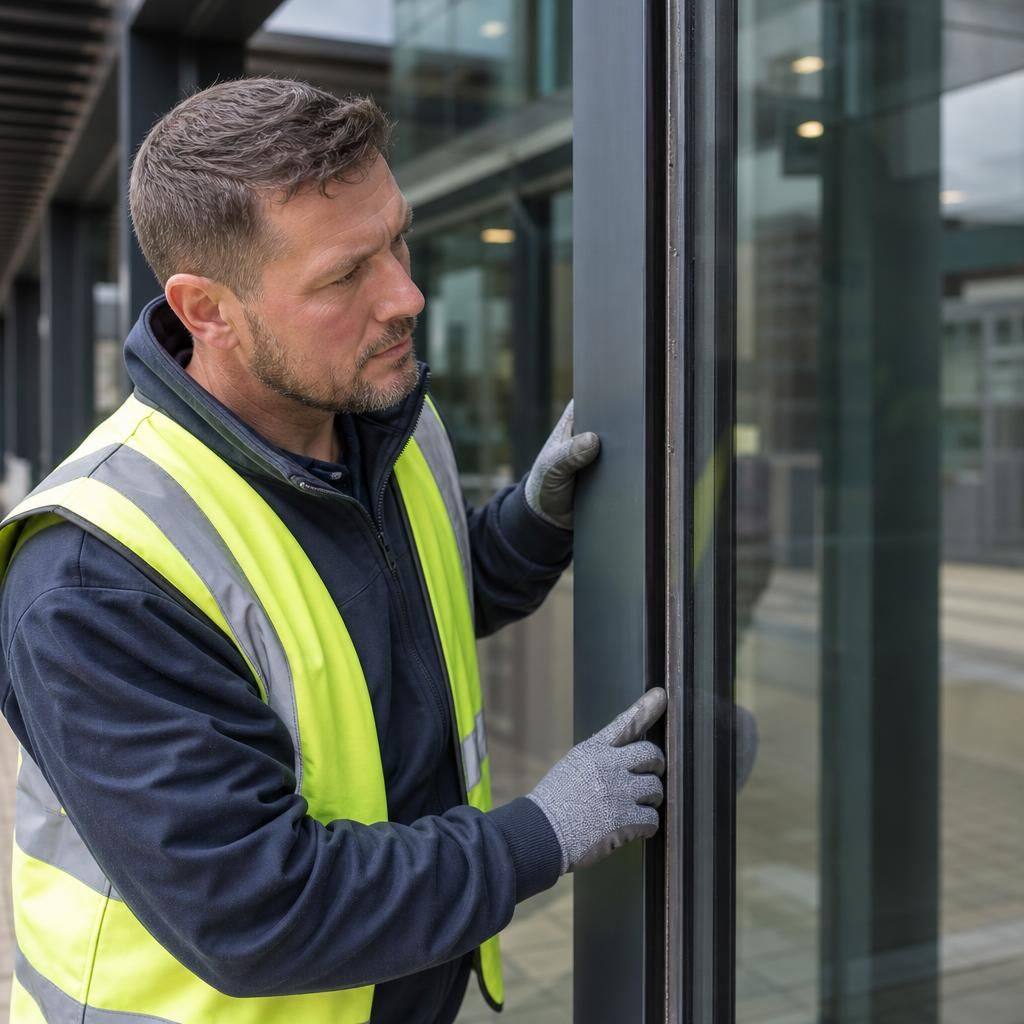
Particular attention is given to the junction between the repaired glazing and the existing installation. The technician checks that perimeter seals and interfaces are continuous, secure and free from visible gaps that could allow draughts or moisture to pass through. The repair is viewed from both sides where access permits, helping to identify marks, reflections, sealant irregularities or other issues that may not be apparent from one direction.
This final visual review helps distinguish a repair that is merely in place from one that has been properly finished. If the inspection identifies a concern, it can be addressed before the commercial area is handed back for normal use.