
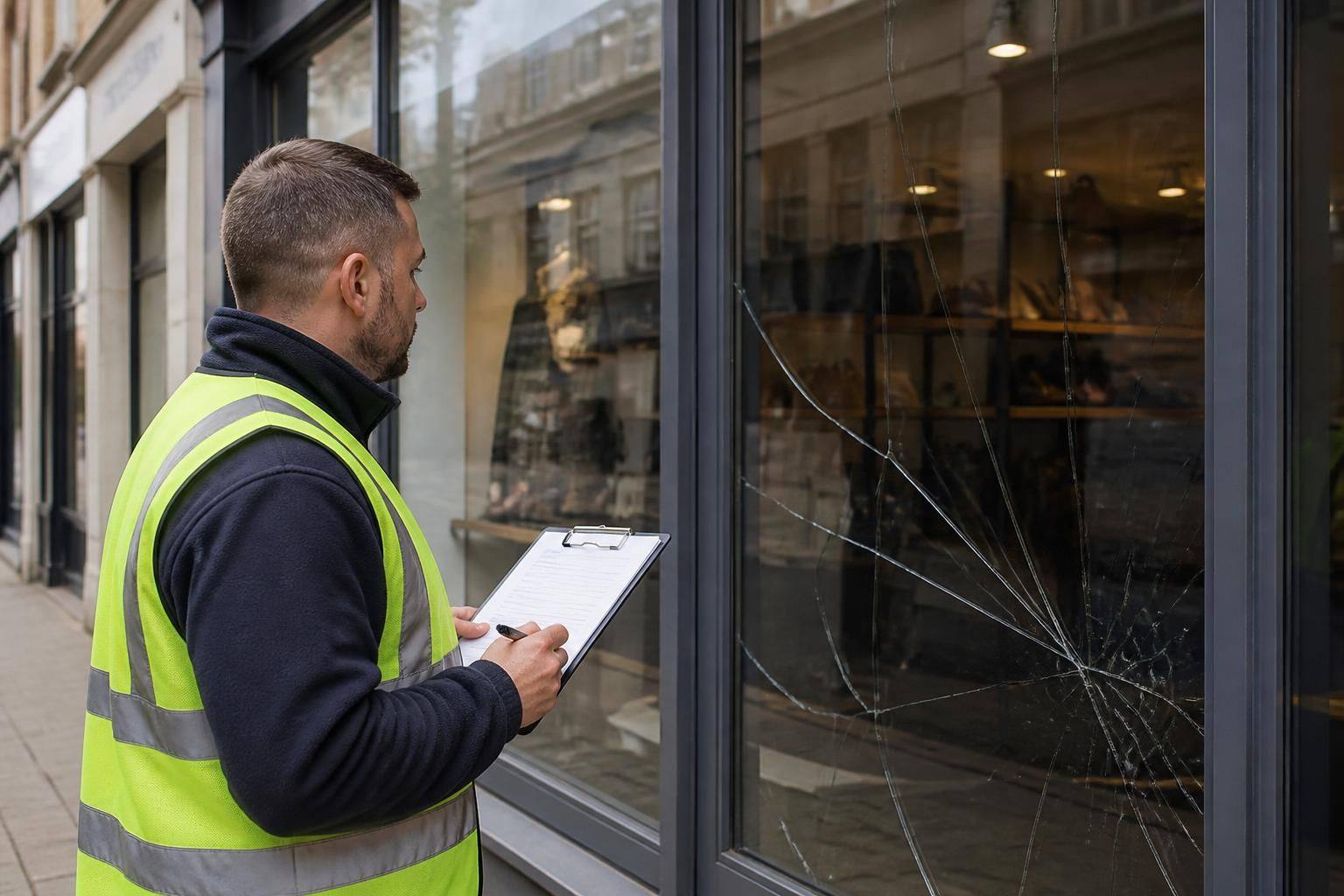
How are shop front glass repair quotations prepared?
Shop front glass repair quotations are prepared by assessing the damage, measuring the affected panel and reviewing the surrounding frame, access and required materials. The quotation then sets out the proposed repair or replacement work and associated costs clearly, helping businesses compare options and plan the work.
A shop front glass repair quotation is prepared by turning the findings from an initial review into a defined scope of work, a suitable technical specification and a transparent cost breakdown. This gives the business a practical basis for comparing options, approving the work and arranging repairs with minimal disruption to its premises.
What the quotation considers
The quotation process considers more than the visible break or crack. The surrounding installation, including seals, beads, glazing channels, mullions, transoms, doors and adjacent panels, may affect the recommended work. The condition of these components helps establish whether the damaged glass can be dealt with as an isolated repair or whether associated work is needed for a sound result.
The condition and intended use of the shop front are also relevant. A street-facing retail frontage may require a different glass specification from an internal commercial screen, while a panel close to an entrance may need particular attention to impact resistance, safety performance and compatibility with the existing installation. Where the original specification is unclear, the available evidence from the existing glazing and frame is reviewed before a suitable option is proposed.
Information included in a clear quotation
- A description of the affected shop front element and the work being proposed.
- The type and specification of glass required, where this can be established.
- Any associated work involving seals, beads, fittings or the surrounding frame.
- The practical requirements for removing damaged glazing and installing the replacement or repaired element.
- Relevant access, protection and site considerations that may affect how the work is carried out.
- A clear breakdown of the costs associated with the proposed scope.
This level of detail helps the customer understand exactly what is included rather than comparing prices based only on a brief description such as replacement glass. It also makes it easier to identify whether a quotation covers only the pane or includes the related work required to leave the shop front properly finished and secure.
Repair and replacement options
Where the damage and glass type make repair a suitable option, the quotation can set out the work needed to address the affected area. If the glass cannot be repaired satisfactorily, replacement may be recommended instead. The reason for the recommendation should be clear, particularly where safety, the extent of damage or the condition of the existing unit affects the available choice.
Where more than one practical approach is available, a well-prepared quotation can distinguish between the options. This may include the immediate work required, any recommended associated work and the implications of choosing one solution over another. Businesses can then assess the proposal against operational requirements, appearance, durability and compliance rather than relying on cost alone.
Site and operational factors
Commercial glazing work often takes place in an active retail or business environment. The quotation therefore needs to reflect matters such as customer access, staff movements, display areas, deliveries, security arrangements and the protection of nearby finishes. Restricted access, difficult handling conditions or the need to work around existing fixtures can affect the resources and method required.
For managed premises, the quotation may also need to support internal approval or communication with a landlord, facilities team, insurer or property manager. A defined written scope provides a useful record of the proposed work and helps the relevant parties understand what is being authorised.
Compliance and workmanship considerations
The proposed solution should be suitable for the location and comply with current building and safety regulations. This includes considering whether the glazing is in a position where safety glass or another specific performance characteristic is required. Compatibility with the existing framing system is also important, as an apparently suitable pane may not provide an appropriate result if the surrounding installation is unsuitable or defective.
GlassPlus UK brings more than 30 years of industry experience to the assessment of commercial glazing requirements. Its quotations are intended to provide a technically considered scope rather than an unexplained figure, with the work specified in a way that supports safe and professional completion.
What can affect the final price
The cost can be influenced by the glass specification, the size and configuration of the unit, the condition of associated components, access arrangements, handling requirements and whether additional remedial work is identified. If concealed deterioration or a previously unseen issue becomes apparent after removal, the original scope may need to be reviewed before extra work is undertaken. Any such change should be explained clearly so the business can make an informed decision.
Businesses requesting a quotation should provide photographs where available, the property address, details of the damaged area, access restrictions and any known requirements from a landlord, insurer or facilities manager. Accurate background information helps GlassPlus UK prepare efficiently, while a site review remains important where the installation, damage or access conditions cannot be assessed reliably from photographs alone.
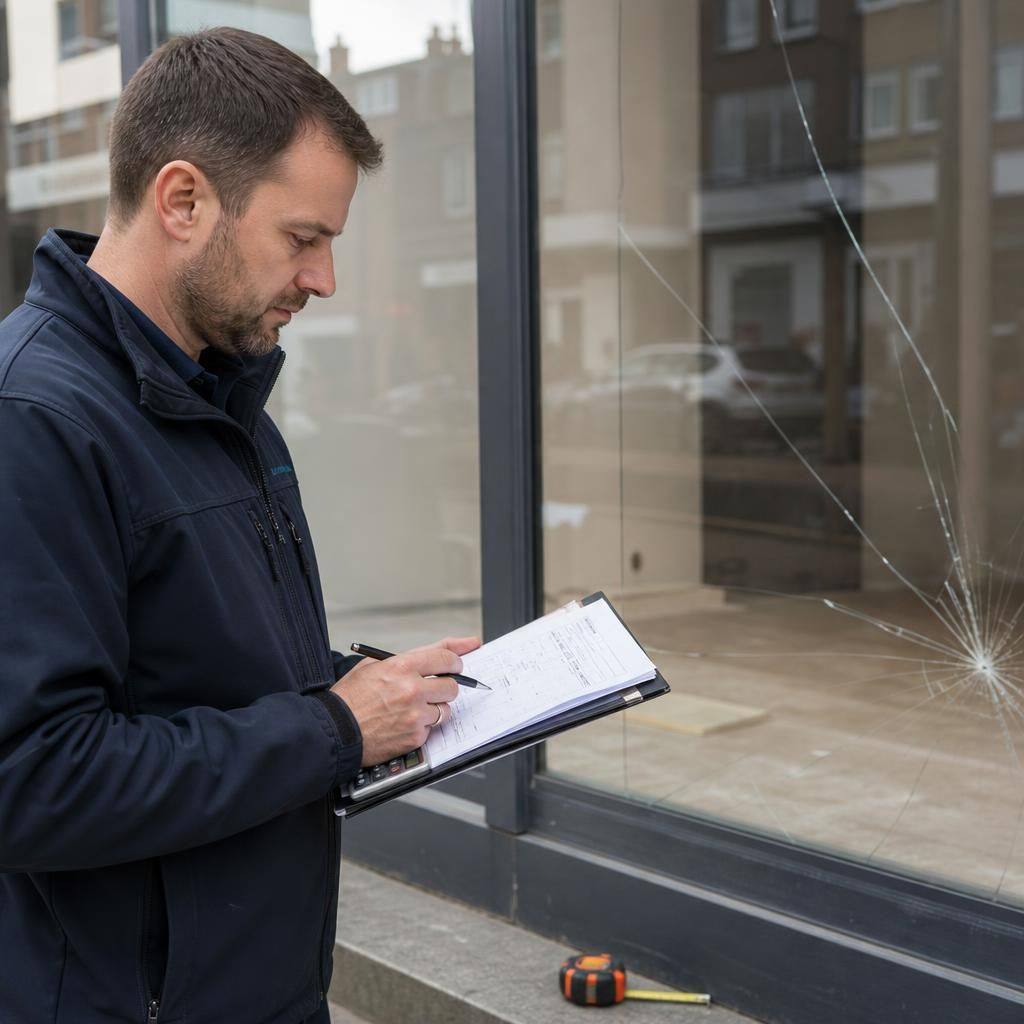
Businesses comparing shop front glass repair quotations should check that each proposal is based on the same scope of work. Differences in wording can otherwise make one quotation appear cheaper when it excludes preparation, removal, disposal or making good. A useful quotation identifies any assumptions, exclusions and items that cannot be confirmed until the damaged glazing is exposed.
Before approval, the business should confirm the proposed glass, the areas to be worked on, the expected sequence of activities and how any variation will be handled. Asking for clarification at this stage creates a clear record of what has been authorised and helps prevent uncertainty when the work is scheduled. GlassPlus UK provides quotations intended to give commercial customers a defined basis for that decision.