How are shop front glass repairs coordinated around business operations?
GlassPlus UK coordinates shop front glass repairs by agreeing suitable access arrangements, work timings and site controls with the business in advance. This helps the glazing team complete the work safely while keeping disruption to trading and other daily operations to a practical minimum.
Shop front glass repairs are coordinated around business operations through staged planning, clear site controls and practical communication with the responsible business contact. The aim is to protect people, preserve secure access and limit interference with trading, deliveries and staff routines while the glazing work is completed.
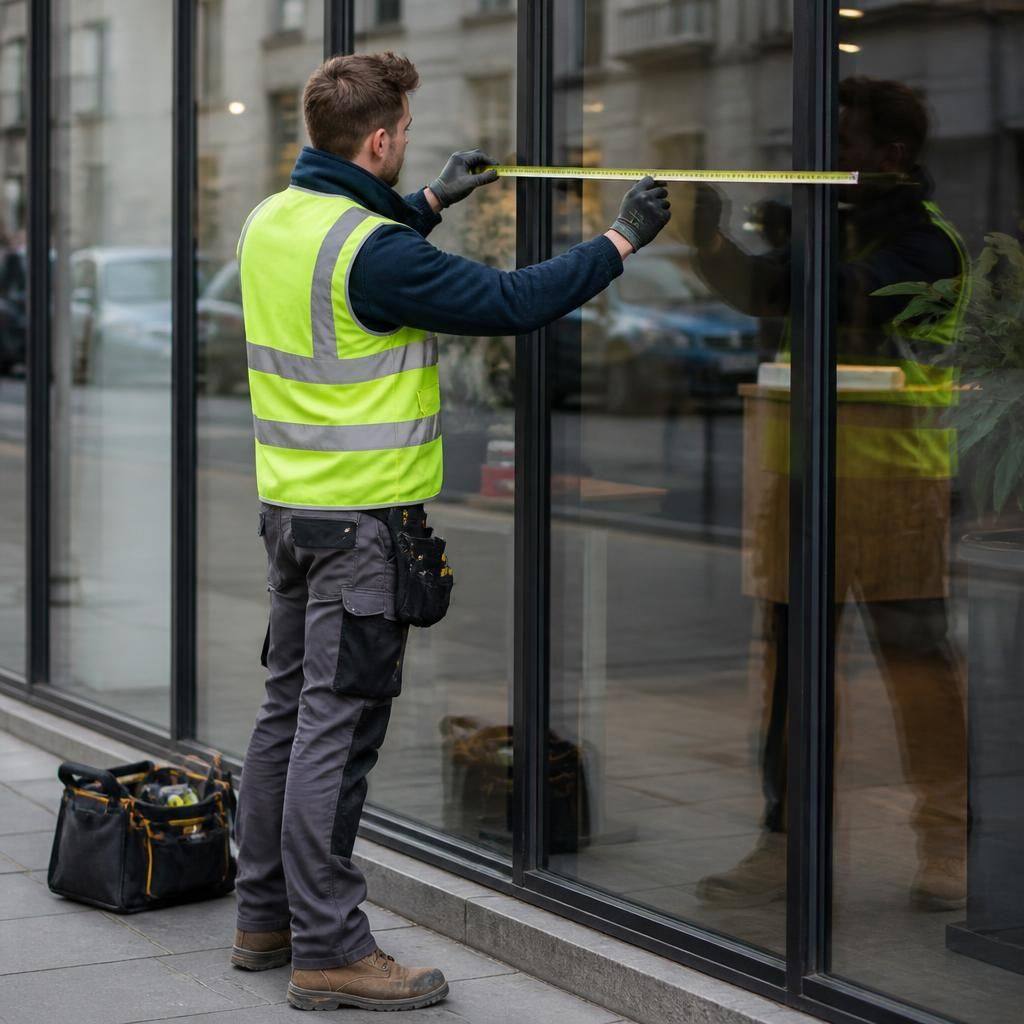
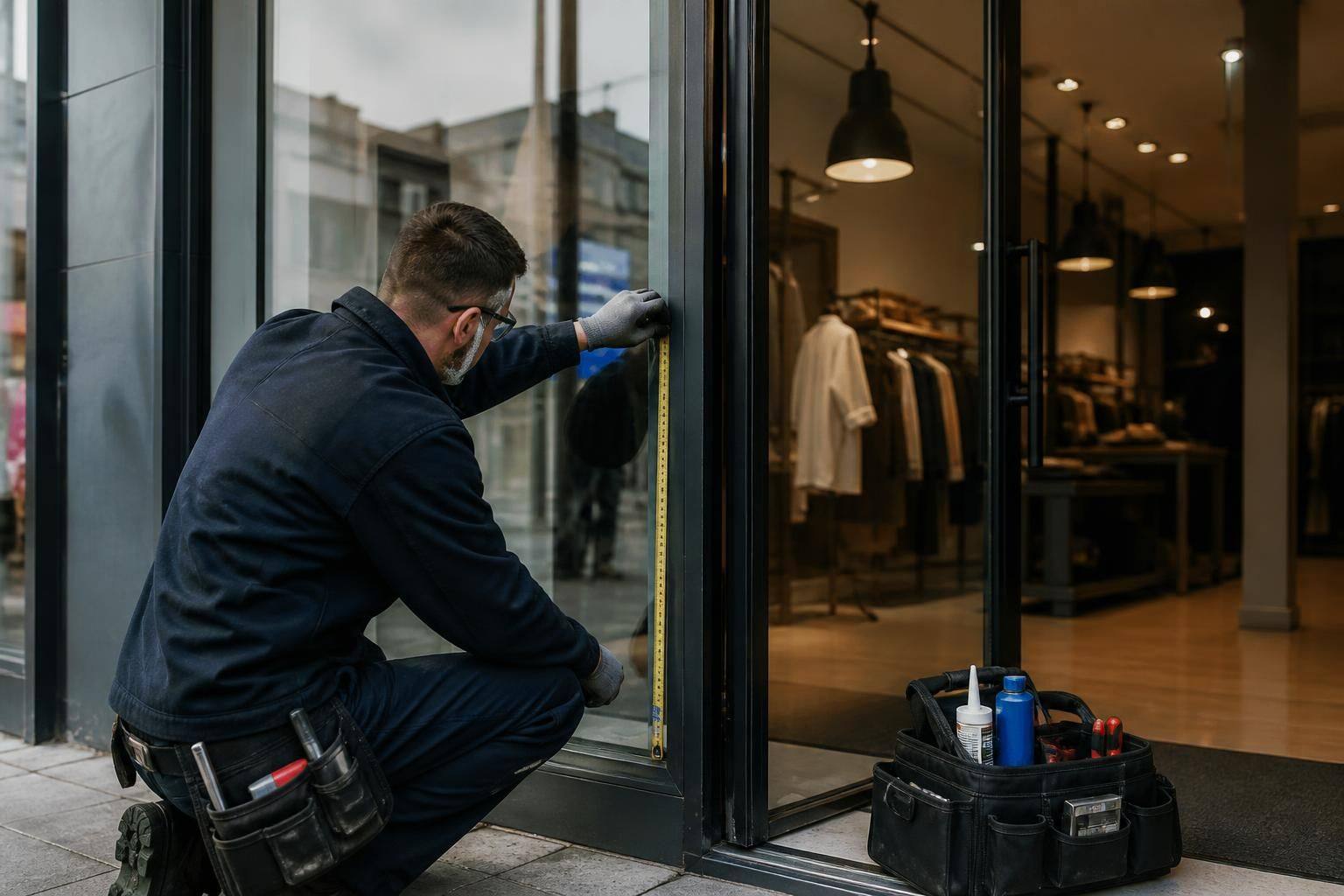
The process usually begins with a review of the damage and the surrounding shop front. The glazing team considers the panel’s position, the condition of adjacent frames and doors, customer access, staff circulation, display areas and any nearby equipment. This helps establish whether the work can be completed in place or whether additional preparation is needed before the damaged glass is handled.
Businesses can support the planning process by identifying:
- the person responsible for granting access and approving the work;
- customer, staff and delivery routes that must remain clear;
- restricted areas, security arrangements or site-specific rules;
- display items, furniture or equipment that may need to be moved; and
- any trading activities that could be affected by noise, temporary access restrictions or work near the entrance.
Where the damaged pane is close to an entrance or a busy customer route, the immediate work area can be managed so that people do not pass close to the glazing operation. This may involve separating the work zone from occupied areas, controlling movement through the entrance or arranging a suitable temporary route. The exact approach depends on the shop front layout and the level of risk presented by the damage.
Work is normally organised in stages rather than treating the repair as an isolated task. Preparation may include clearing the area, protecting nearby surfaces and positioning materials safely. The damaged glass can then be removed using suitable handling methods before the replacement or repair work is carried out. Final checks include examining the glazing, frame, seals and surrounding area, followed by removal of waste and site protection where appropriate.
For businesses that need to remain operational, the practical priority is separating essential trading activity from the repair zone. Staff should not be asked to work immediately beside unsecured or partly dismantled glazing, and customers should not be directed through an area where glass, tools or materials are being handled. Keeping the responsible contact informed also makes it easier to deal with changes to access or site conditions as the work progresses.
Security is another important consideration. A damaged shop front can leave the premises more exposed, particularly if the glass forms part of an entrance, display window or frontage facing a public area. The condition of the opening is therefore considered when planning the work, with temporary protective measures considered where they are necessary before the permanent repair or replacement is completed.
Timing is selected with the business’s actual operating pattern and site constraints in mind. For premises operating during the working day, the team can identify when customer flow, deliveries or staff movement are most manageable within the agreed working arrangements. Where work cannot be completed without affecting access, this is addressed during planning rather than left until the glazing team arrives.
Commercial premises may also have landlord, facilities management or building management requirements. These can include signing-in procedures, permit arrangements, protection of shared areas and coordination with other contractors. Providing these details in advance helps prevent avoidable delays and ensures that the repair is carried out in line with the site’s control measures.
Once the work is finished, the responsible business contact should check that the shop front is usable, access routes are clear and no tools, broken glass or protective materials remain in the working area. The completed glazing is also reviewed for visible defects, secure fitting and suitable sealing. GlassPlus UK carries out commercial glazing work with attention to current building and safety regulations, helping businesses maintain a properly managed repair process as well as a presentable frontage.
A concise job brief helps keep shop front glass repairs aligned with business operations. It can record the agreed scope of work, the site contact, access instructions, operational restrictions and any completion requirements set by the business or building manager. Keeping this information together reduces uncertainty and gives everyone a clear reference before work begins.
If site conditions or the extent of damage differ from the initial assessment, the responsible contact should be informed before the agreed work is changed. This allows the business to consider the practical effect on trading, security and access before authorising any additional work. A clear handover at the end also confirms what has been completed and whether any follow-up action is required.