What information should businesses provide when requesting shop front door glass repairs?
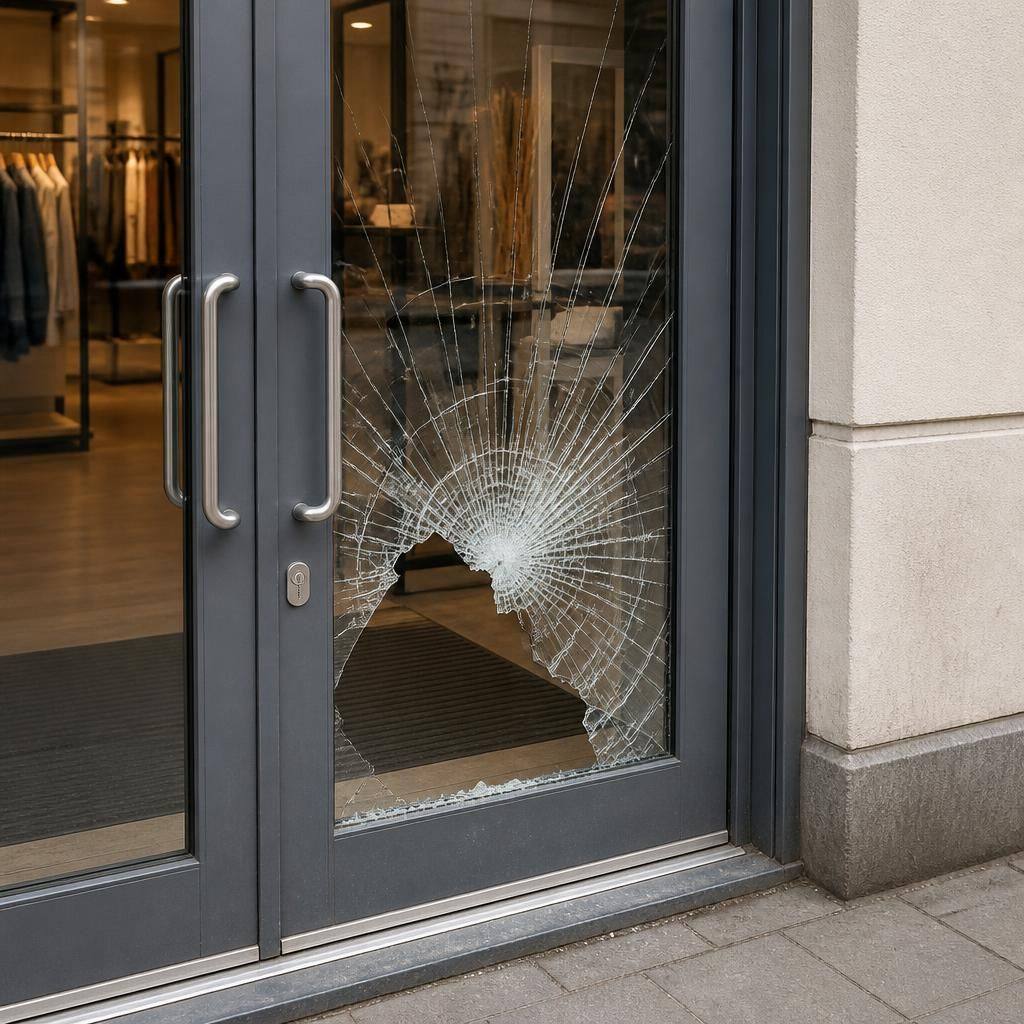
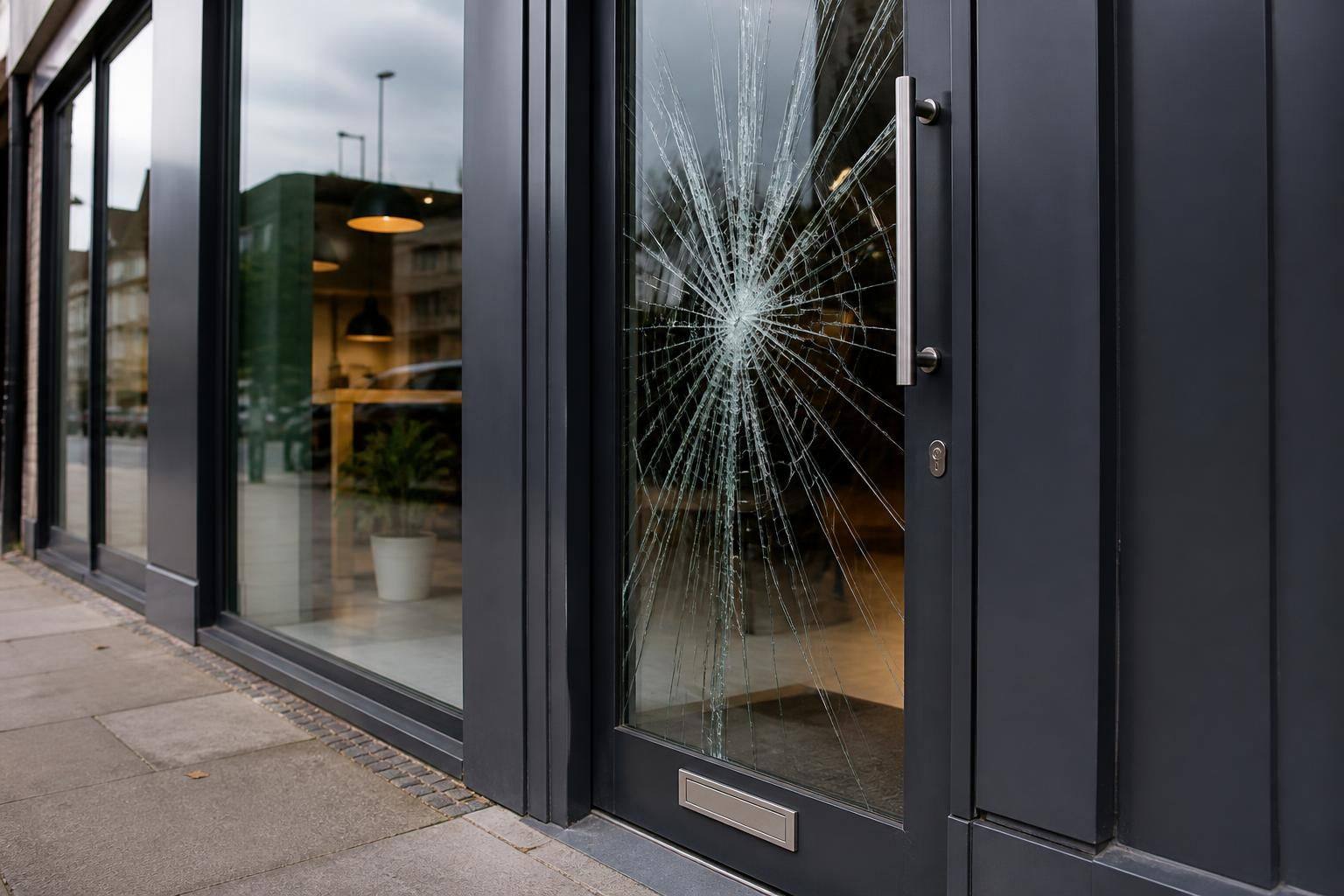
Businesses should provide the shop address, door dimensions, glass type if known, a clear description of the damage, and photographs showing the affected area. Details of the door’s use, access arrangements and any safety or security concerns will also help the glazing team assess the repair requirements accurately.
Alongside the basic site and damage details, a well-prepared request should include information about the door system, the surrounding frame, site conditions and the practical requirements for carrying out the work. This allows the glazing team to identify the likely repair approach, establish whether specialist access is needed and prepare a more accurate quotation.
- Door and frame details: State whether the door is single or double, hinged or sliding, manually operated or automatic, and whether it forms part of a wider shop front system. Information about the frame material, door furniture, seals, hinges, closers and locking arrangement can also be useful.
- Previous work or known defects: Explain whether the door has been repaired, altered or reglazed before. Any history of recurring cracking, movement, draughts, water ingress, difficult closing or problems with the frame may affect the recommended solution.
- Nature of the incident: If the damage followed an impact, attempted break-in or another incident, include any relevant details. This can help distinguish between isolated glass damage and possible distortion or damage to the door assembly.
- Current condition: Confirm whether broken glass has been removed, whether temporary boarding or protection is in place, and whether loose fragments, sharp edges or an unsecured opening remain. This helps the contractor understand the condition presented on arrival and plan suitable precautions.
- Site and building requirements: Provide any induction procedures, loading restrictions, parking limitations, delivery rules, security arrangements or permit requirements that may apply. Commercial premises may also require contractors to report to a reception desk, sign in or follow a site risk assessment process.
- Relevant site contacts: Give the name and contact details of the person who can authorise access and agree the proposed work. Where the premises are leased or managed by a third party, it is sensible to confirm whether landlord, managing agent or insurer approval is required.
- Commercial information: The request should identify the invoicing company, purchase order requirements and any documentation needed for contractor approval. If the work relates to an insurance claim, the claim reference and insurer or loss adjuster details may also be relevant.
- Operational constraints: Explain any restrictions affecting the work, such as customer-facing trading conditions, noise-sensitive surroundings, restricted movement through the entrance or the need to maintain a particular access route. This helps the glazing team discuss a practical sequence for the repair.
- Specification preferences: If the business has requirements for appearance, privacy, branding, security or consistency with adjacent glazing, these should be stated at the enquiry stage. Existing drawings, schedules or records showing the original glass specification can be useful where they are available.
It is helpful to send supporting documents with the enquiry, such as maintenance records, previous quotations, landlord instructions, insurance correspondence or relevant drawings. These should supplement rather than replace a clear written description of the issue.
Where the specification cannot be confirmed from the information provided, the glazing contractor may need to inspect the door and frame before finalising the recommendation. The assessment may consider the condition of the complete door assembly, not just the visible pane, because the glass, seals, beads, hardware and frame need to work together safely and correctly.
Businesses should also explain any compliance or operational requirements that apply to the premises. The replacement must be suitable for its position and use and should be considered in line with current building and safety regulations. Providing this context at the outset helps ensure that the quotation addresses the actual commercial requirement rather than treating the damaged pane in isolation.
A concise request containing the relevant technical, site and administrative information gives GlassPlus UK a clearer basis for discussing the repair, identifying any further checks and setting out the next stage of the enquiry.
If an adjacent pane remains intact, businesses should check for any permanent markings or labels on the glass and include clear photographs of them with the enquiry. These may help identify whether the damaged pane was toughened, laminated, fire-rated, patterned, tinted or otherwise specified for the entrance. The appearance of neighbouring panes, including any privacy pattern or branding, should also be described so that the proposed replacement can be assessed for consistency.
Where no marking or original record is available, the absence of identification should be stated rather than relying on an assumption about the glass type. This gives the glazing contractor a clearer basis for deciding whether further inspection or confirmation is needed before the specification is finalised.