
What materials are suitable for shop front refurbishment?
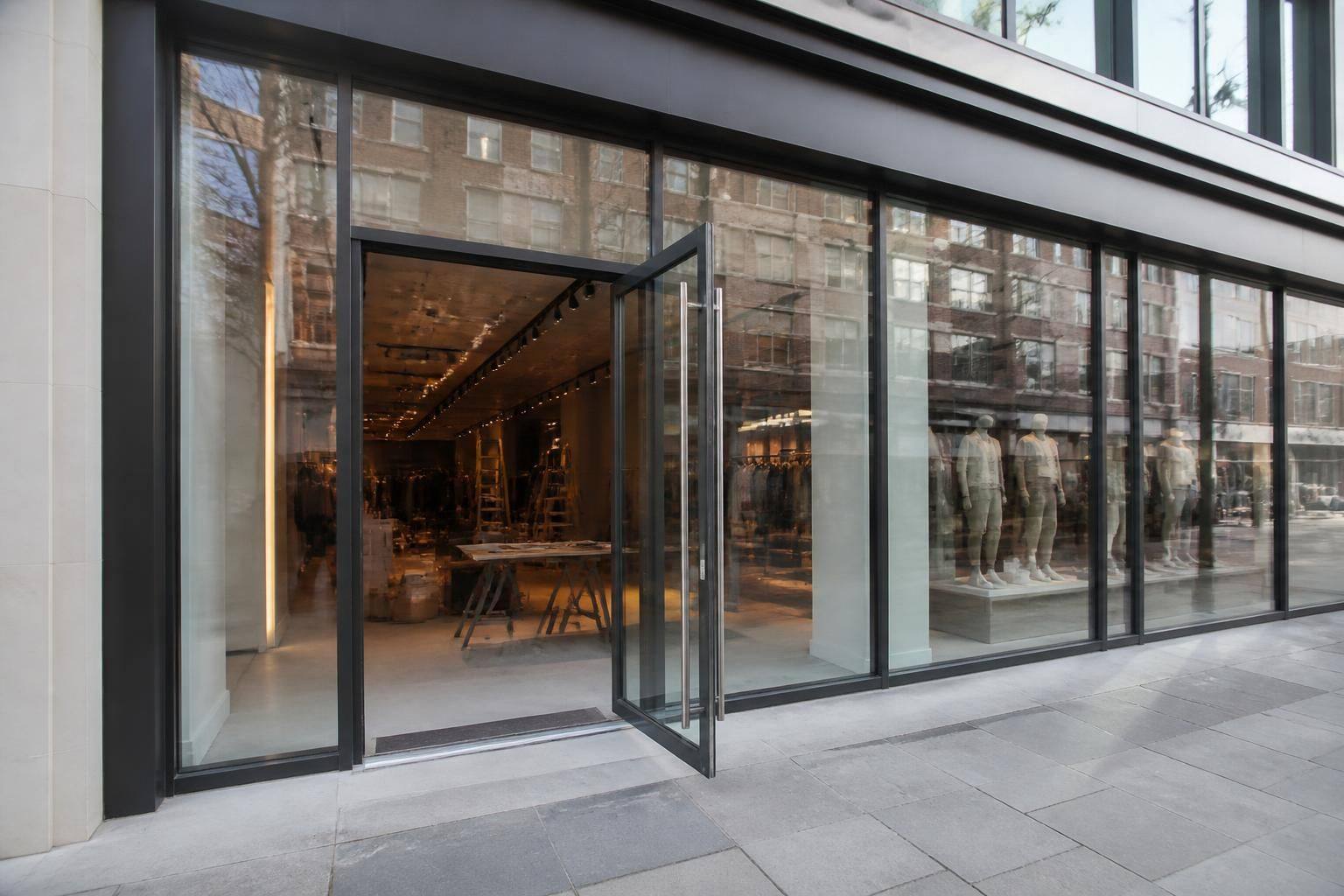
Suitable materials for shop front refurbishment include toughened or laminated glass, aluminium and steel, selected according to the frontage design, security requirements and existing structure. The right combination can improve appearance, durability and compliance with current building and safety regulations.
The most suitable materials for a shop front refurbishment are those that balance visual quality, structural performance, security and ease of maintenance. In many commercial projects, this means using safety glass with aluminium framing, while steel, composite panels or carefully specified timber may be appropriate where the frontage has particular architectural or operational requirements.
Glass is usually the dominant material because it provides visibility, daylight and a clean appearance. Toughened glass is heat-treated to improve its resistance to impact and temperature changes. If it breaks, it is designed to crumble into smaller fragments rather than large, sharp shards. Laminated glass has a bonded interlayer that helps hold the glass together if it is damaged, making it a useful option where security, safety or noise reduction is important.
Double-glazed units can be considered where the shop front forms part of an enclosed, heated space and improved thermal performance is required. However, the available frame depth, surrounding structure and proportions of the existing frontage must be checked before this option is selected. Glass thickness, pane size, edge support and the position of doors all affect the final specification.
Aluminium is a practical choice for framing, doors and mullions. It is comparatively light, does not rust and can provide a slim, contemporary appearance. Powder-coated finishes offer a broad choice of colours and help create a consistent finish across the frontage. Aluminium systems are particularly suitable where clean lines, frequent use and straightforward maintenance are priorities.
Steel is appropriate when a stronger or more traditional frame is needed. It can support robust commercial doors and larger structural elements, and it may suit older or architecturally distinctive frontages better than a lightweight modern system. Steel requires suitable protection and maintenance to guard against corrosion, particularly at joints, fixings and areas exposed to moisture.
Composite panels can be used for sign bands, kick plates and solid sections below or beside the glazing. They help conceal building interfaces, provide a durable background for signage and allow the glazed areas to be arranged without making the entire frontage transparent. Their colour, surface and fire performance should be checked against the building’s use and the proposed location.
Timber may be suitable for a character property or a frontage where the existing appearance needs to be retained. It offers a distinctive finish but generally demands more regular attention than aluminium or steel. The timber species, coating system, moisture exposure and detailing around the glass should all be considered before committing to this approach.
Other details can be just as important as the main materials. Thresholds, glazing beads, seals, hinges, handles, locks, drainage and junctions with the surrounding masonry all influence how well the refurbished shop front performs. Materials should therefore be assessed as a complete system rather than selected in isolation.
- Choose the glass according to the required level of safety, security, insulation and visibility.
- Choose aluminium where a slim, low-maintenance contemporary frame is preferred.
- Choose steel where strength, durability or a more substantial traditional appearance is important.
- Use composite panels or solid sections where signage, privacy or impact protection is required.
- Use timber where the architectural character of the building justifies its additional maintenance needs.
A suitable specification also needs to account for the existing opening, interfaces with the building, intended use of the premises and the condition of any retained components. Glass Plus UK can assess these factors when preparing a refurbishment proposal, helping commercial clients compare a like-for-like replacement with a more substantial improvement to the frontage.
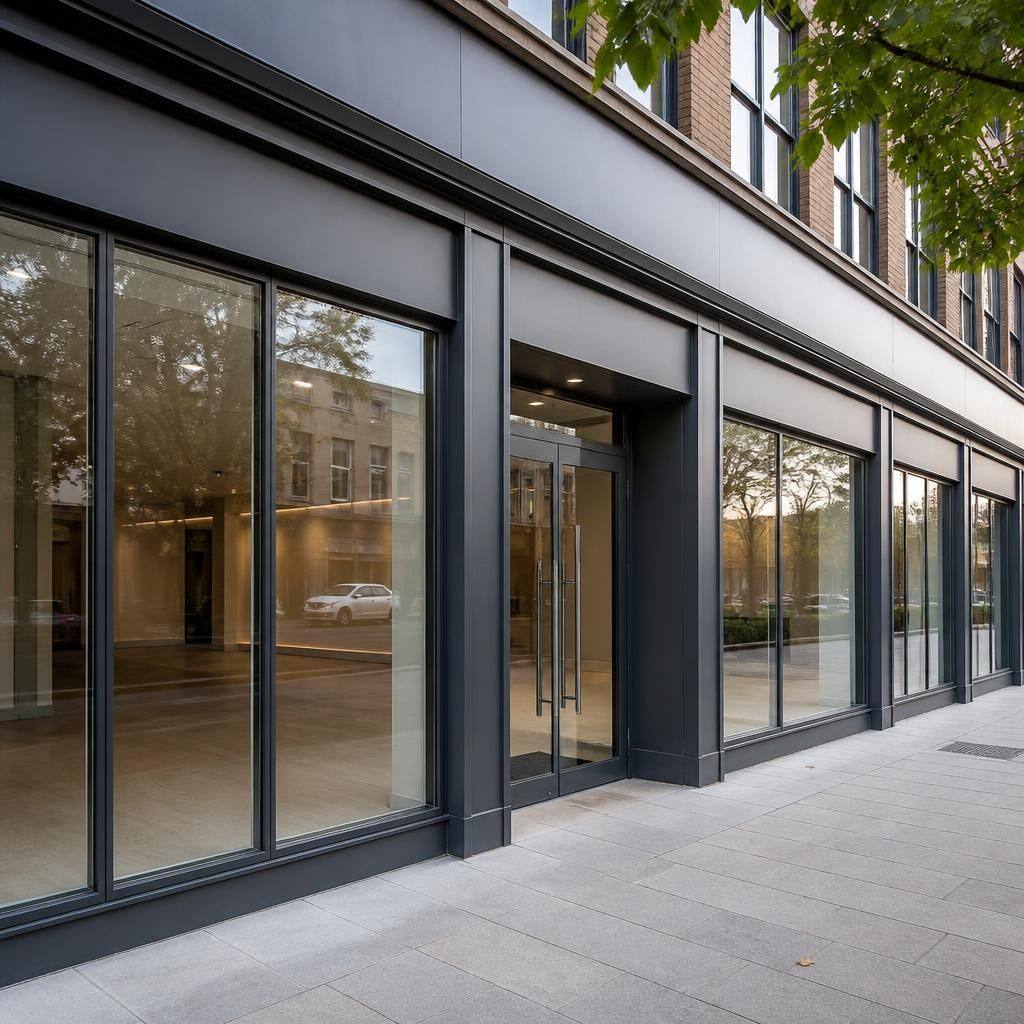
Material suitability should be judged against the condition of the existing frontage, not just the appearance of a sample. A site assessment can identify uneven openings, movement in the surrounding structure or worn fixing points that may affect how new components perform. It also helps establish whether retained elements can be integrated properly or whether replacing them would provide a more reliable result.
Finish consistency is another practical consideration. Frame colours, glazing details, door hardware and solid panels should work together across the complete frontage, including areas that may be viewed from close range. Reviewing these details as part of the refurbishment proposal gives commercial clients a clearer basis for comparing specifications and avoiding mismatched components.
Discuss suitable materials for your shop front refurbishment
Commercial clients can contact Glass Plus UK to discuss the requirements of their shop front refurbishment and arrange a suitable quotation. An assessment can help clarify the most appropriate specification for the existing frontage and intended use.