What safety standards apply to shop front glass repairs?
Shop front glass repairs should comply with current building and safety regulations, with the glazing assessed for suitability, safety and structural performance. GlassPlus UK checks the repair requirements carefully and recommends appropriate safety glazing where a damaged panel needs replacement.
Shop front glass repairs must leave the installation safe for people, suitable for its location and correctly fitted within the existing framing system. The required standard depends on the glass type, panel size, position, risk of impact, loading and the condition of the surrounding frame. A professional repair therefore involves more than making the damage less noticeable.
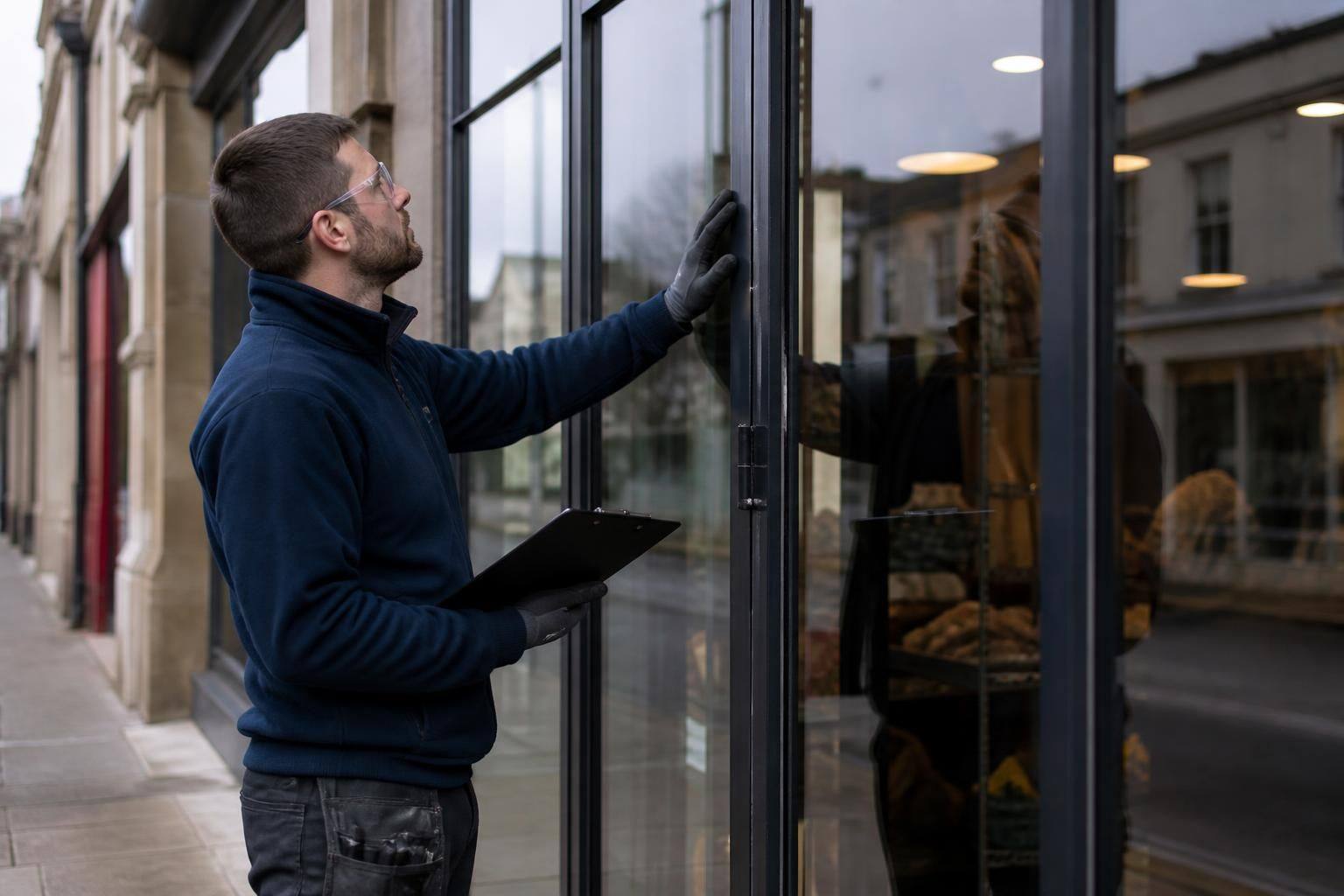
For damaged glazing, the first consideration is whether the existing panel can be retained safely. Cracks, shattered panes, severe edge damage and glass that has moved within its frame may require replacement rather than a cosmetic repair. Where only associated components are affected, the work may involve securing the panel, renewing seals, replacing glazing beads or correcting the retention system. The proposed work should not conceal a defect that could allow the glass to fail later.
Where a panel is replaced, the replacement glass should be selected for the risks presented by the shop front. Safety glazing is generally required in locations where people could collide with the glass or where breakage could create a significant hazard. Toughened glass is designed to break into smaller fragments when it fails, while laminated glass is held together by an interlayer after breakage. The appropriate choice depends on the design and use of the installation; one type is not automatically suitable for every shop front.
- Impact safety: the glazing should have an appropriate impact classification and be capable of meeting the requirements for its position in the building.
- Safety marking: safety glass should carry suitable permanent identification where required, allowing its type and compliance information to be checked.
- Visibility: large or uninterrupted glazed areas may need suitable manifestation so that people can recognise the presence of the glass, particularly around entrances and circulation routes.
- Support and retention: the pane, setting blocks, beads, gaskets and sealants should work together to keep the glass properly supported without damaging its edges.
- Structural performance: the glazing and frame should be appropriate for expected wind pressure and other loads affecting the elevation.
Relevant requirements can include the Building Regulations and associated guidance, together with applicable British and European glazing standards. Depending on the installation, this may include guidance covering safety in relation to impact, the performance of toughened or laminated glass, and the design and installation of glazing in buildings. The latest applicable editions should be checked rather than relying on an old specification or assuming that a visually similar pane is an acceptable substitute.
The surrounding shop front is part of the safety assessment. Distorted aluminium sections, loose beads, failed gaskets, corrosion, movement at joints or damaged fixings can affect how replacement glass performs. A new pane should not be fitted into a frame that cannot retain it correctly. The installer should also check clearances, edge condition, drainage and the compatibility of sealants and glazing materials. These details help prevent pressure points, water entry and avoidable repeat damage.
Specialist requirements apply where the glazing forms part of a fire-resisting, smoke-control, security or access-related assembly. In those situations, replacing the glass alone may not preserve the performance of the complete system. The specification must account for the frame, seals, beads and installation method, and any required evidence for the assembly should be available. Ordinary shop front glass should not be described as fire-resisting or security glazing unless the complete installation has been designed and tested for that purpose.
A suitable quotation should identify the proposed glass type, thickness or specification where relevant, the extent of frame or hardware work and any limitations caused by the existing installation. Businesses comparing repair options should ask how the replacement has been selected, whether the glass is safety marked, and what checks will be carried out before the work is signed off. Clear records, product information and photographs can also help a property manager demonstrate what was installed and why.
GlassPlus UK brings more than 30 years of industry experience to commercial glazing work. Its approach is to inspect the damaged shop front, establish whether repair or replacement is appropriate and complete the work in line with current building and safety requirements. This gives businesses a clearer basis for approving the repair and helps ensure that the finished shop front is safe, properly retained and appropriate for continued commercial use.
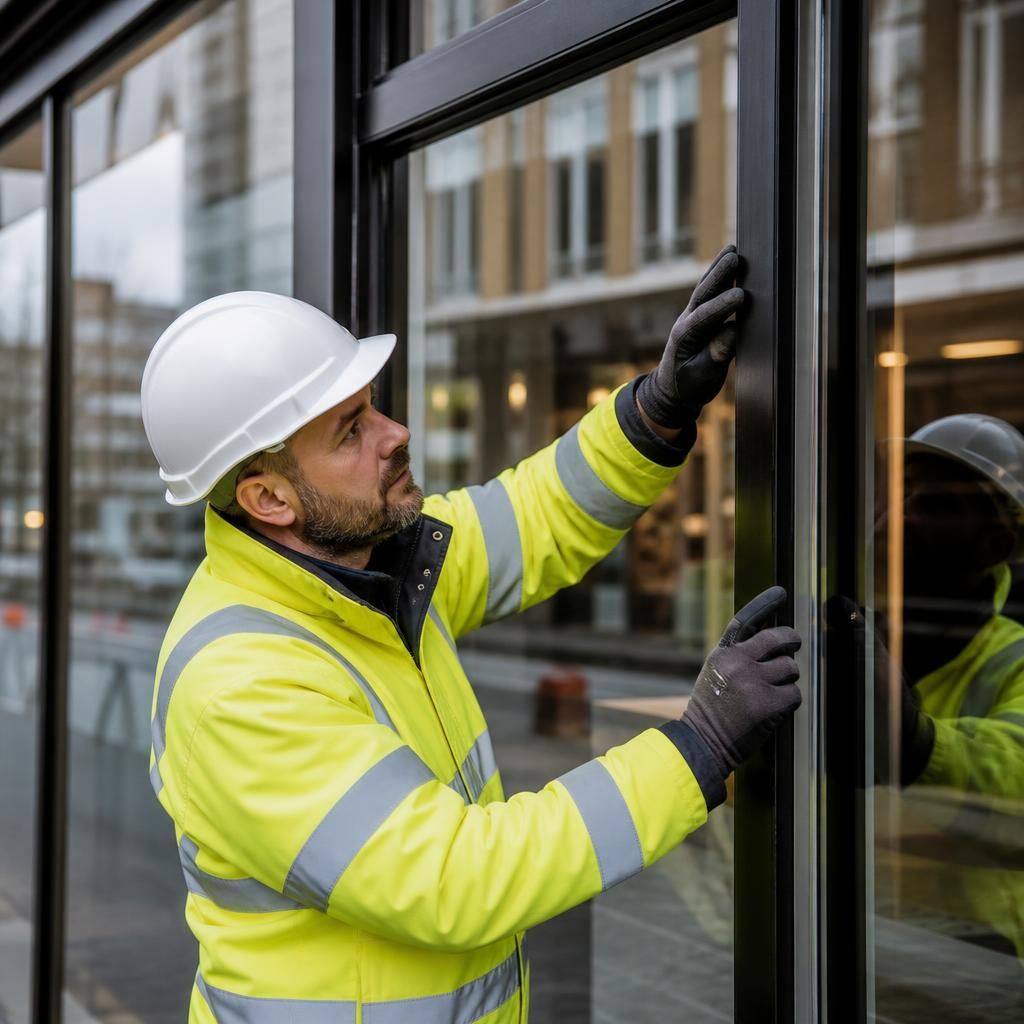
Safety standards also apply to how the repair is carried out around customers, staff and passers-by. A competent glazing contractor should assess access routes, the condition of the damaged pane and the surrounding work area before starting. Broken glass must be handled and removed safely, while the opening and work zone should be controlled to prevent accidental contact during the repair.
This is particularly important where a shop front remains close to a public pavement or an occupied entrance. The repair plan should consider safe access, protection of nearby finishes and the prevention of loose fragments or materials becoming a further hazard. A careful site assessment helps ensure that compliance covers both the finished glazing and the conditions in which the work takes place.