
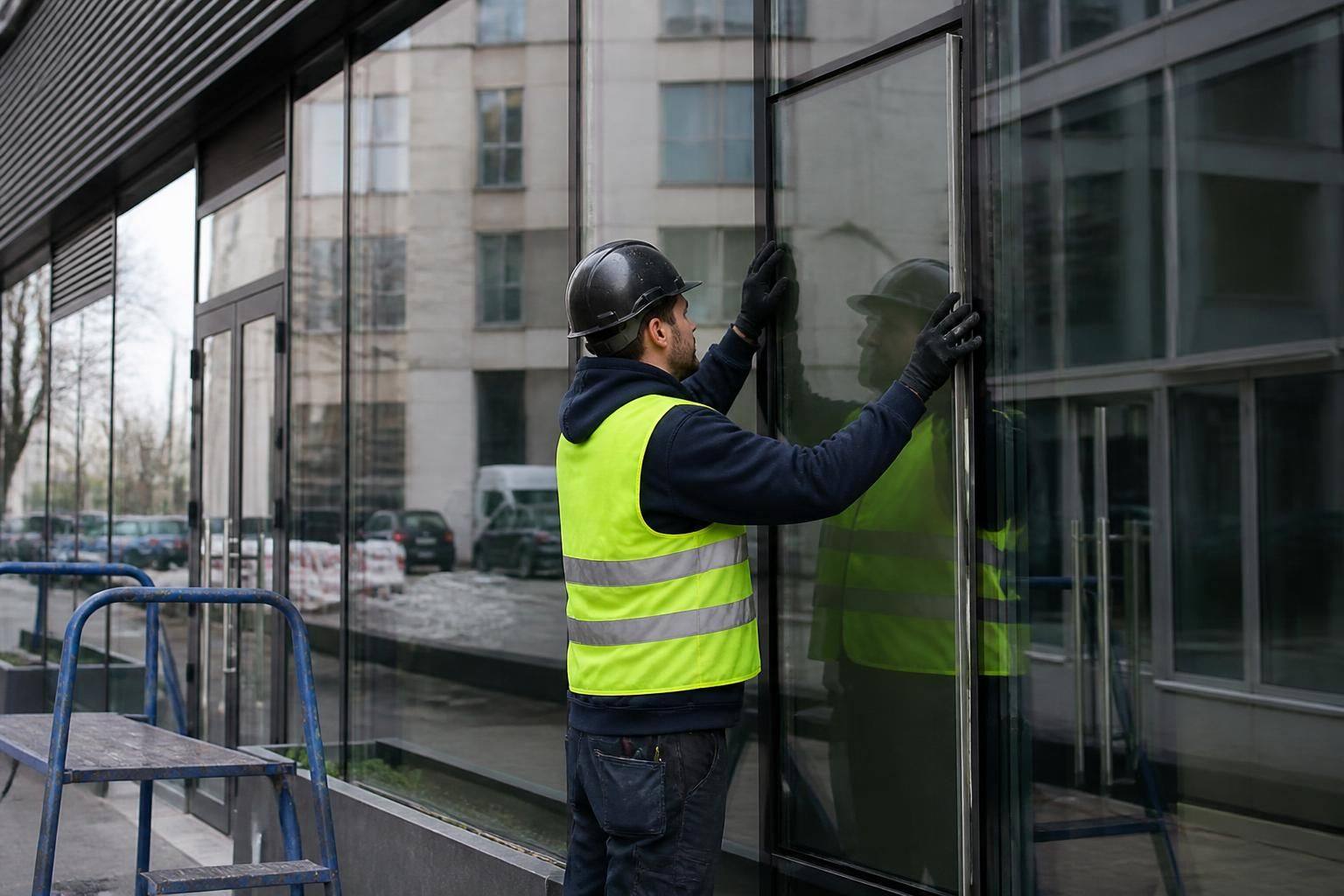
What does a commercial glazing repair service include?
A commercial glazing repair service includes assessing the damage, identifying the appropriate repair or replacement solution, and carrying out the work on installations such as shop fronts, commercial windows and curtain walling. It also includes careful planning to maintain safety, security and compliance with current building and safety regulations.
A commercial glazing repair service covers the practical work required to return a damaged glazing installation to a safe, secure and serviceable condition. This may involve the glass itself, as well as associated framing, seals, beads, fixings and other elements that affect how the installation performs.
The scope of work will depend on the type and extent of damage. Typical activities can include:
- Removing cracked, shattered or otherwise unsuitable glass in a controlled manner.
- Checking the surrounding frame and glazing system for distortion, damage or deterioration.
- Replacing worn seals, gaskets, beads or fixing components where these have contributed to the problem or would prevent a sound installation.
- Installing replacement glazing that is suitable for the existing commercial application.
- Carrying out remedial work to the immediate glazing assembly where this is needed for a proper fit and finish.
- Clearing broken material and leaving the work area in an orderly condition.
For curtain walling and larger commercial installations, the service can require more than a straightforward pane change. Glazing panels form part of a wider system, so attention may also be given to adjoining sections, joints, pressure plates, cover caps and drainage paths. This helps identify issues that could affect water resistance, stability or the continued performance of the installation.
For shop fronts and commercial windows, the work may also take account of how the glazing interfaces with entrances, displays, internal finishes and security measures. The aim is to complete the repair without creating avoidable disruption to the surrounding business operation, while recognising that access, protection and working space must be properly managed on commercial premises.
A complete service should also include clear communication about the work required. The findings can be explained in practical terms, with the recommended course of action distinguished from work that is not necessary. Where the damage is extensive or the existing system cannot sensibly be restored, the repair service may therefore lead to a controlled replacement rather than an isolated repair.
Once the work is complete, the installation should be checked for an appropriate fit, secure fixing, clean appearance and effective operation where moving components are involved. This final attention to detail is important because a glazing repair is not only about making damaged glass look presentable; it must also support the ongoing use, security and professional appearance of the commercial property.
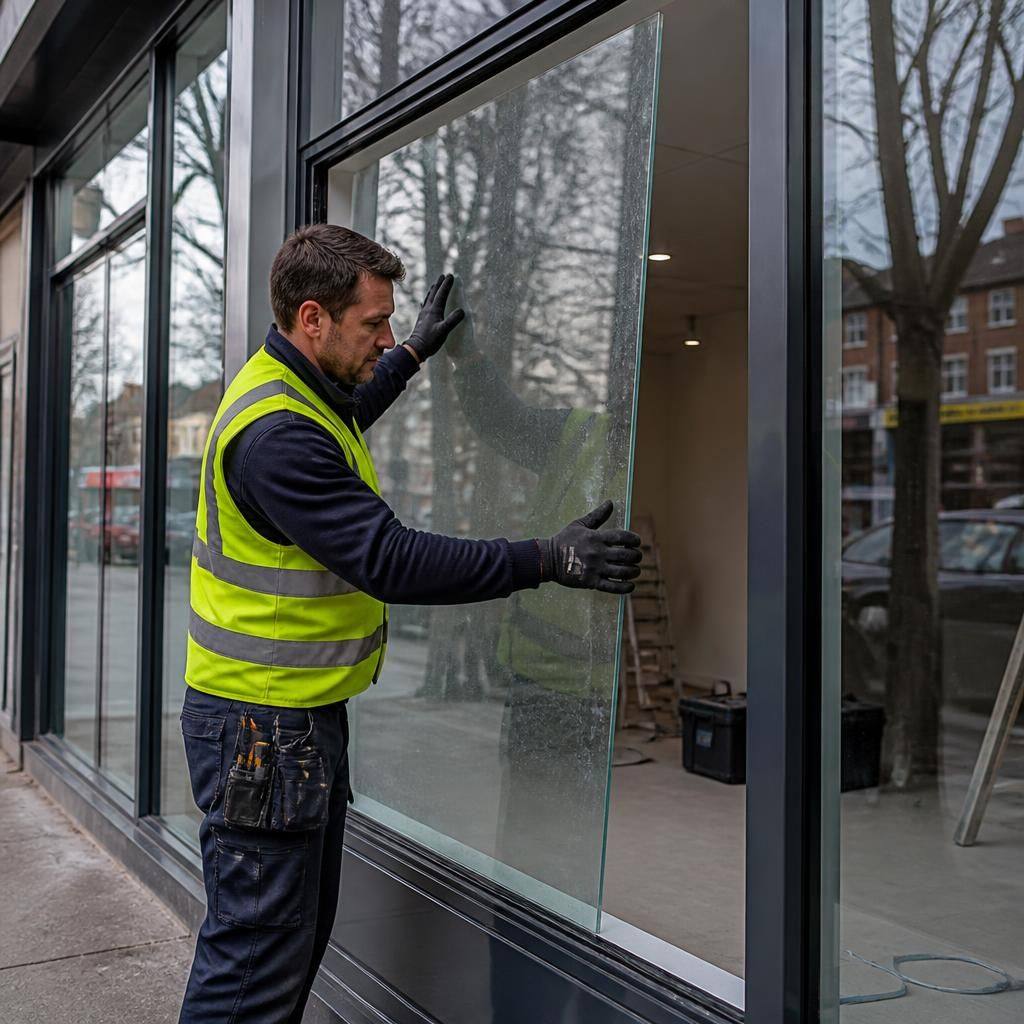
A key part of a commercial glazing repair service is selecting a solution that suits the building, rather than treating every damaged pane in the same way. The replacement glass and associated components need to be compatible with the existing frame and appropriate for the installation’s safety, appearance and performance requirements.
This is particularly important where glazing forms part of a shop front, office façade or curtain walling system. A technically correct fit must also work with the surrounding structure and the way the premises is used. Considering these factors helps avoid a temporary-looking repair and supports a consistent, professional finish across the property.